
Australia’s video game industry has become one of the country’s most dynamic creative sectors, influencing not only what people play, but how they socialize, spend leisure time, and engage with culture. Its growth reflects a broader shift: entertainment is increasingly interactive, community-driven, and shaped by global digital platforms.
How the sector expanded
Australia’s early studios often worked under tight constraints—limited funding, reliance on publisher milestones, and the high costs associated with large-scale console development. Over time, development became more accessible. Modern engines, online tutorials, and digital distribution allowed smaller teams to build polished products and sell them worldwide. Instead of needing shelf space in retail stores, creators could launch directly to players, gather feedback, and iterate rapidly.
The indie wave and Australia’s creative signature
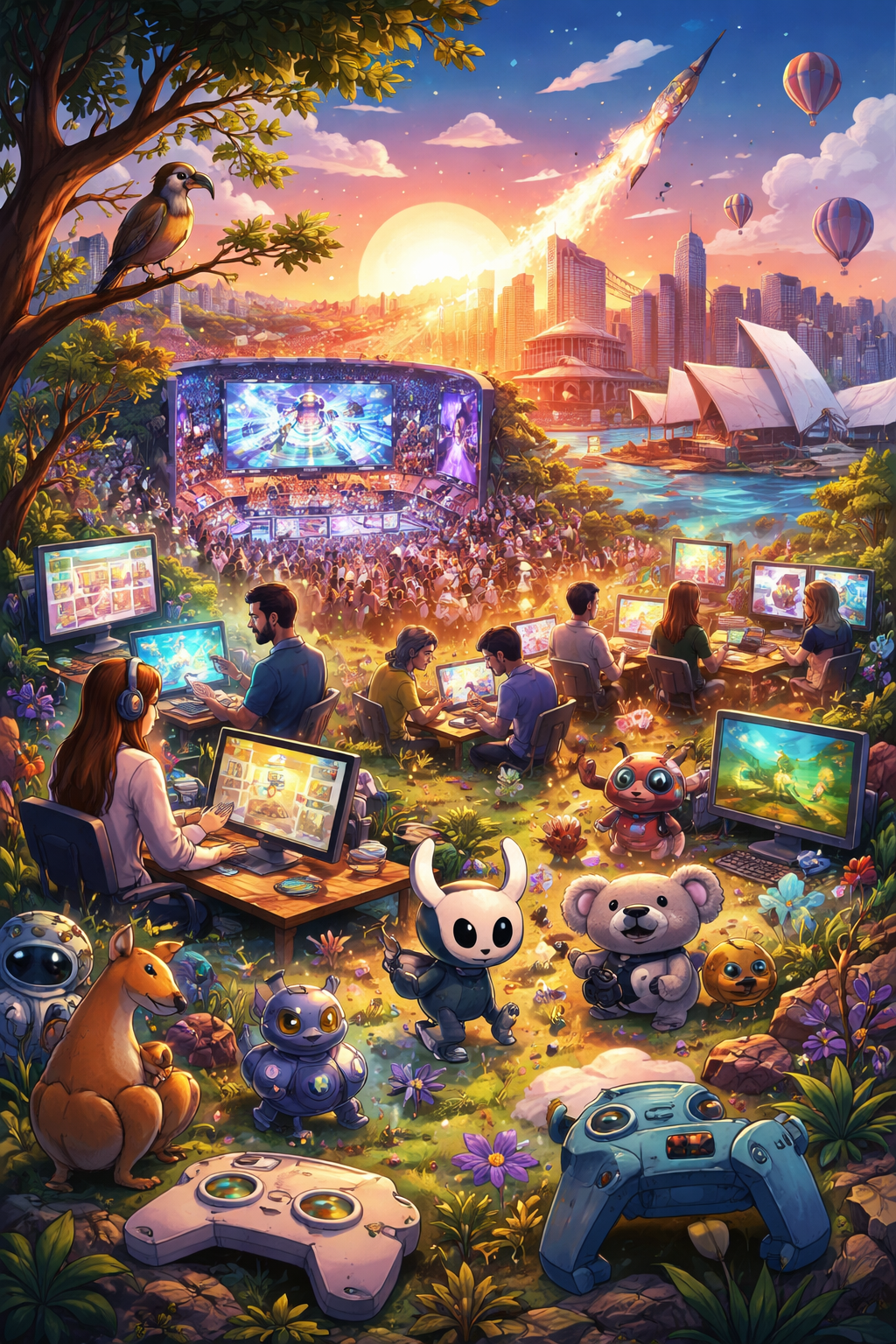
Independent development became a defining force. A breakout title can elevate an entire scene by attracting attention, talent, and investment. Australian successes like Hollow Knight highlighted the value of strong art direction, precise game feel, and deep worldbuilding—qualities that translate across borders and languages. Indie studios also benefit from community-driven visibility: streamers, YouTubers, and online forums can propel games into global conversation without traditional advertising budgets.
More than indie: a multi-track industry
Australia’s games sector includes multiple lanes:
- Indies focusing on originality and niche audiences
- Mobile teams building games designed for frequent updates and broad reach
- Support and co-dev studios contributing to international AAA productions
This mix shapes entertainment output. Premium indie titles often emphasize atmosphere and design experimentation, while mobile and live-ops projects prioritize ongoing engagement, seasonal events, and social mechanics.
Policy support and workforce development
Games increasingly receive recognition similar to other screen industries. State-based initiatives, grants, and project funds have helped teams start new IP and take creative risks. Federal movement toward tax incentives for eligible game production has also signaled that games are an exportable creative product. Alongside this, Australia’s education ecosystem—universities, TAFE-style programs, private academies, and community mentorship—helps supply artists, engineers, animators, writers, and producers.
Entertainment impact: play, watch, share
Australia’s entertainment habits now blend playing with viewing and sharing. People watch livestreams the way earlier generations watched television. Esports matches draw spectators who may never play at elite levels but enjoy the drama, commentary, and community energy. Meanwhile, games have become a common social space: a “third place” where friends meet nightly, talk, and collaborate. Even single-player titles generate communal discussion through fan art, theory videos, speedruns, and modding.
Cultural effects and ongoing challenges
Local game development contributes to cultural representation by showcasing unique humor, visual styles, and storytelling approaches. It can spotlight voices and experiences that don’t always fit mainstream film or TV formulas. Yet the industry faces familiar pressures: financing gaps, discoverability in crowded storefronts, and the need to protect teams from burnout during intense production cycles. Diversity and inclusion efforts are improving, but consistent progress requires long-term hiring, mentorship, and leadership changes.
As platforms evolve—cloud gaming, cross-play ecosystems, XR experiments—Australia’s opportunity is to keep building sustainable studios that can deliver both creative originality and professional reliability, ensuring games remain a central part of the country’s entertainment identity.