











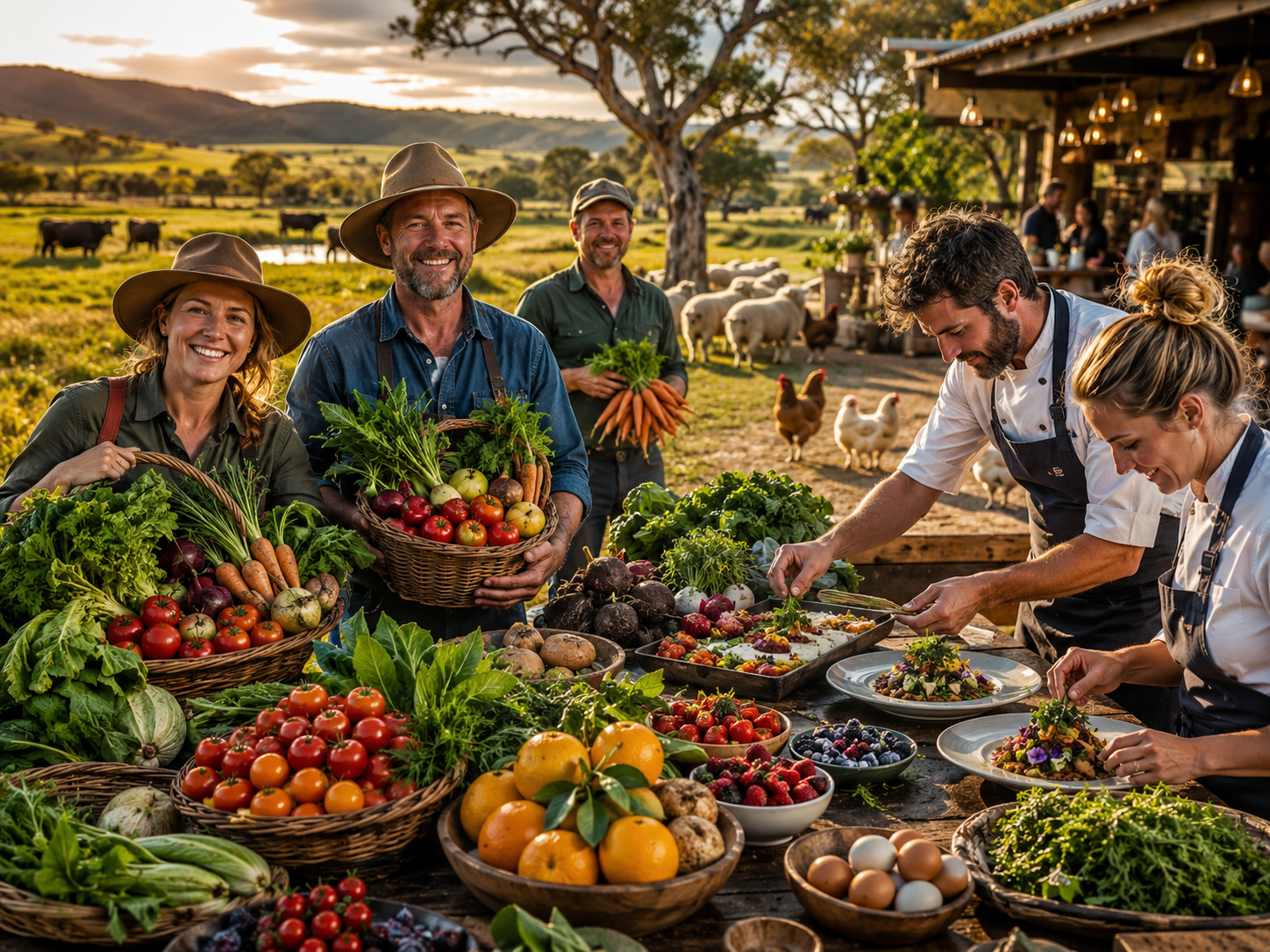
The flourishing of Australian cuisine is deeply intertwined with the work of local farmers who cultivate ingredients pivotal to culinary excellence. From vineyards in South Australia to orchards in New South Wales, the nation’s diverse farms contribute fresh, seasonal produce that shapes regional and national food culture.
Direct sourcing of local fruits and vegetables allows chefs to craft dishes that are both flavorful and nutritionally superior. Farmers’ markets provide vital touchpoints where culinary professionals can access produce at peak quality, reducing the reliance on long supply chains and enhancing environmental sustainability.
In addition to crops, livestock farmers significantly influence the culinary landscape. Grass-fed beef, free-range chickens, and ethically raised lamb meet the growing demand for responsibly sourced protein. These ingredients provide chefs with the foundation for creating dishes that are not only appetizing but also aligned with sustainable and ethical food practices.
Collaboration between the farming and culinary sectors encourages creativity. Chefs often design menus around seasonal availability, showcasing the freshest ingredients and introducing diners to region-specific flavors. This farm-to-fork approach strengthens local economies and ensures a transparent, traceable food system that resonates with conscious consumers.
Local produce also serves as a vehicle for preserving culinary heritage. Incorporating indigenous ingredients and traditional farming methods into contemporary cuisine highlights Australia’s agricultural diversity. Chefs rely on farmers’ expertise to maintain these authentic flavors, connecting diners with the country’s rich culinary traditions.
By prioritizing local sourcing and sustainable practices, farmers and culinary professionals together shape a distinctive Australian food culture that balances innovation with authenticity, ensuring the nation’s cuisine continues to evolve while remaining grounded in its agricultural roots.