


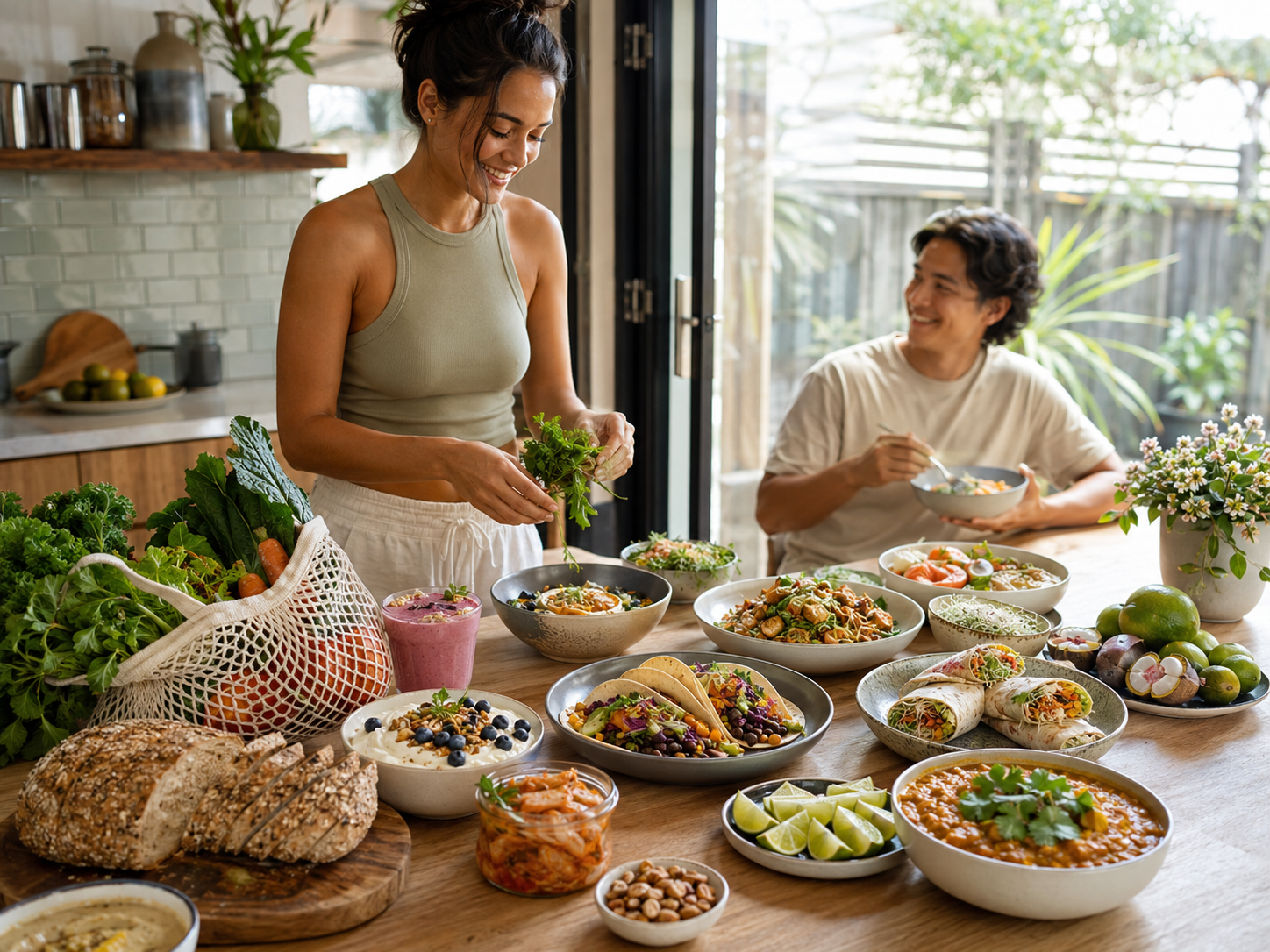
In 2026, healthy eating in Australia is becoming more than a personal diet choice. It is increasingly connected to lifestyle, sustainability, mental wellbeing, and long-term disease prevention. Australians are paying closer attention to where their food comes from, how it affects their bodies, and whether it supports the environment. This shift is visible in supermarkets, cafés, meal delivery services, gyms, and even workplace lunch programs, where healthier and more flexible options are becoming the standard rather than a niche preference.
One of the strongest trends is the rise of plant-forward eating. This does not always mean a fully vegan or vegetarian diet. Many Australians are choosing a flexitarian approach, where vegetables, legumes, grains, nuts, seeds, and plant-based proteins form the foundation of most meals, while meat, seafood, or dairy are consumed more selectively. Lentil bowls, chickpea salads, tofu stir-fries, tempeh wraps, and plant-based burgers are becoming common choices. This style of eating appeals to people who want better heart health, lower saturated fat intake, and a smaller environmental footprint without giving up animal products completely.
Gut health is another major focus in 2026. Foods rich in probiotics and prebiotics are being promoted not only for digestion but also for immunity, mood, and energy levels. Greek yoghurt, kefir, sauerkraut, kimchi, miso, kombucha, oats, bananas, garlic, and onions are being included more often in daily meals. Australians are also becoming more aware that gut health is not about one “superfood,” but about maintaining a diverse diet with enough fibre and fermented foods. As a result, high-fibre breakfasts, fermented side dishes, and low-sugar probiotic drinks are gaining popularity.
High-protein eating remains important, but the source of protein is changing. Instead of relying only on red meat or processed protein bars, many consumers are turning to eggs, fish, chicken, cottage cheese, legumes, quinoa, edamame, and protein-rich dairy alternatives. Fitness culture, ageing populations, and interest in weight management are all contributing to this trend. Protein is now being viewed as essential not only for athletes but also for busy professionals, older adults, and people trying to stay full for longer between meals.
Sustainability is also shaping food choices across Australia. More people are looking for locally grown produce, responsibly sourced seafood, reduced food packaging, and seasonal ingredients. Native Australian ingredients such as wattleseed, finger lime, lemon myrtle, Kakadu plum, and bush tomato are receiving more attention in both home cooking and restaurant menus. These ingredients offer unique flavours while also encouraging interest in local food heritage and biodiversity.
Another important trend is personalised nutrition. Wearable devices, health apps, food tracking tools, and at-home testing services are influencing how people plan their diets. Some Australians are adjusting meals based on blood sugar response, sleep quality, fitness goals, allergies, or digestive comfort. While not everyone follows a strict data-driven diet, the idea of eating according to individual needs is becoming more common.
Overall, Australia’s healthy food scene in 2026 is defined by balance. People are moving away from extreme diets and choosing practical eating patterns that support energy, health, taste, convenience, and sustainability. The most popular choices are not just “clean” foods, but meals that fit real life: colourful, satisfying, locally inspired, and flexible enough to maintain over time.