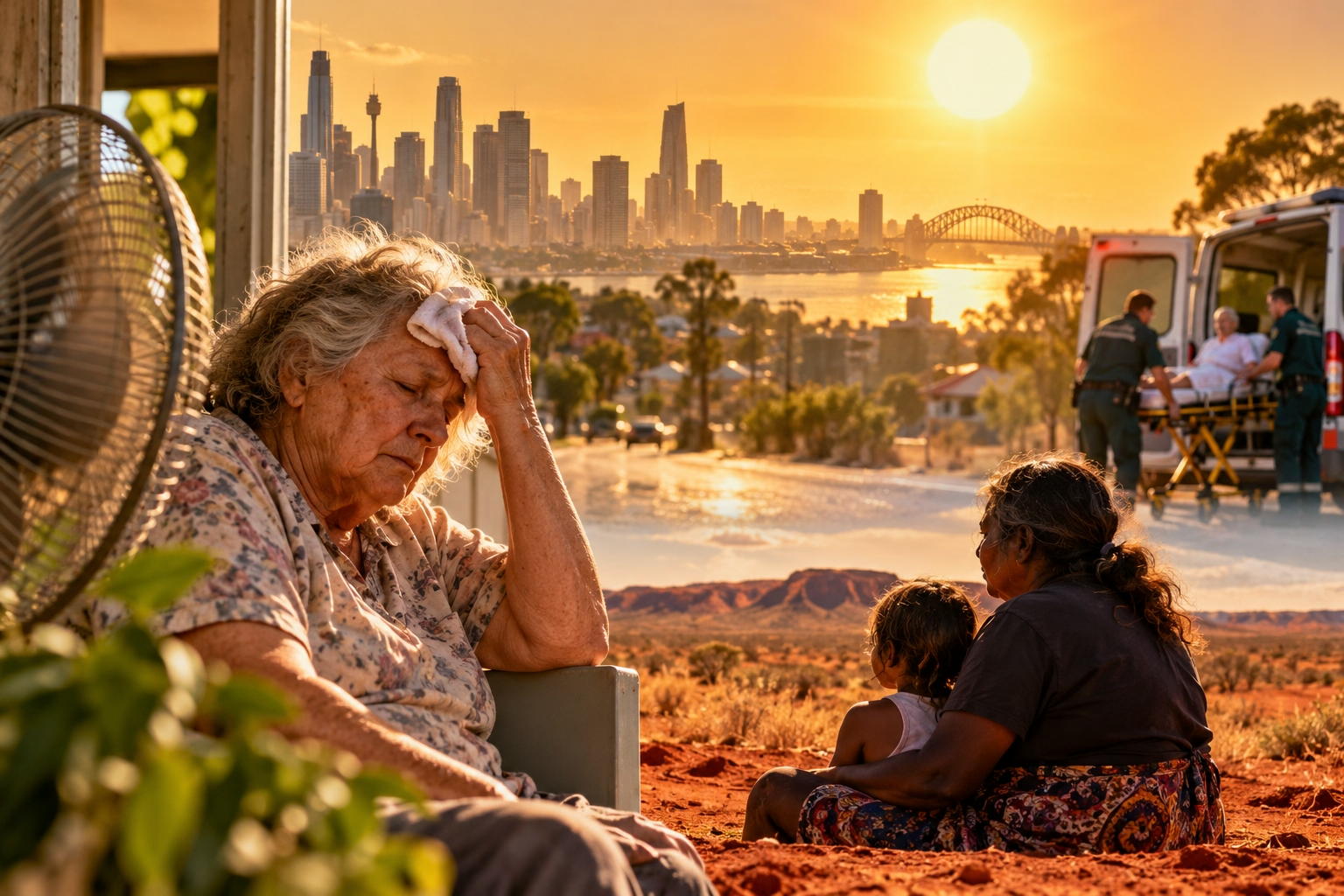
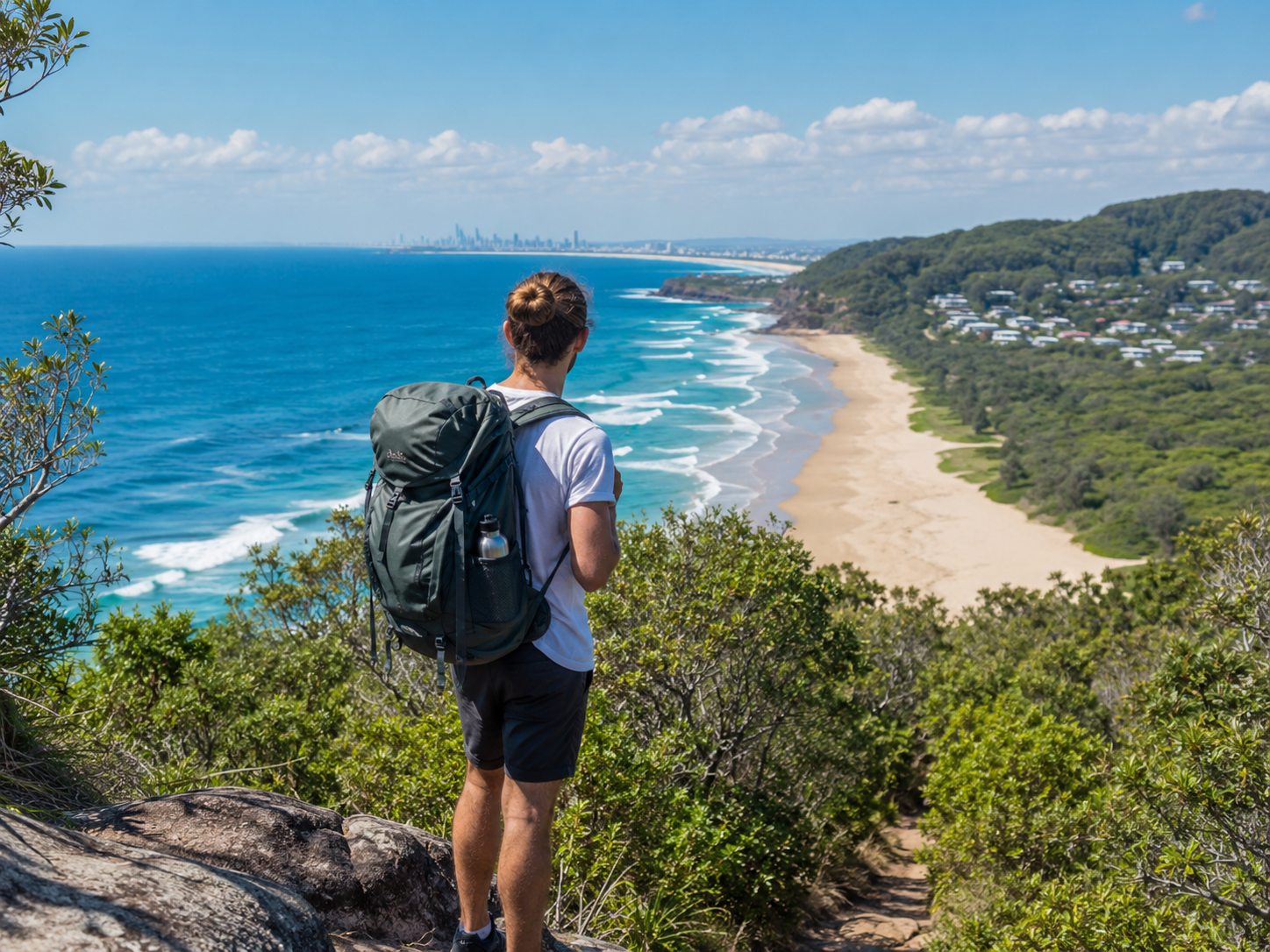
Australia is one of the most exciting destinations for backpackers who love wide-open landscapes, multicultural cities, wildlife encounters, and road-trip adventures. Although the country is often considered expensive, traveling across the Land Down Under can still be affordable with careful planning, flexible choices, and a willingness to explore beyond the usual tourist paths.
A good backpacking journey in Australia usually begins in one of its major gateway cities, such as Sydney, Melbourne, Brisbane, Perth, or Cairns. Sydney offers world-famous sights like the Sydney Opera House, Harbour Bridge, Bondi Beach, and coastal walks. To save money, travelers can enjoy free attractions such as public beaches, city parks, weekend markets, and walking tours. Instead of eating in restaurants every day, backpackers can shop at supermarkets and prepare meals in hostel kitchens.
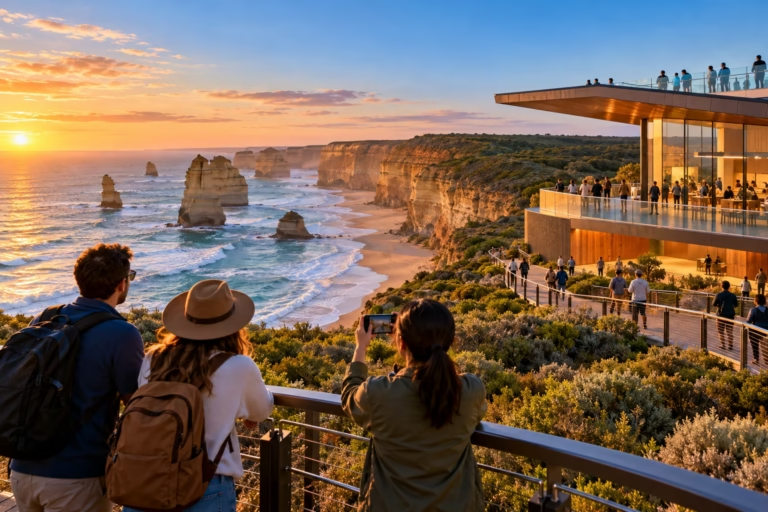
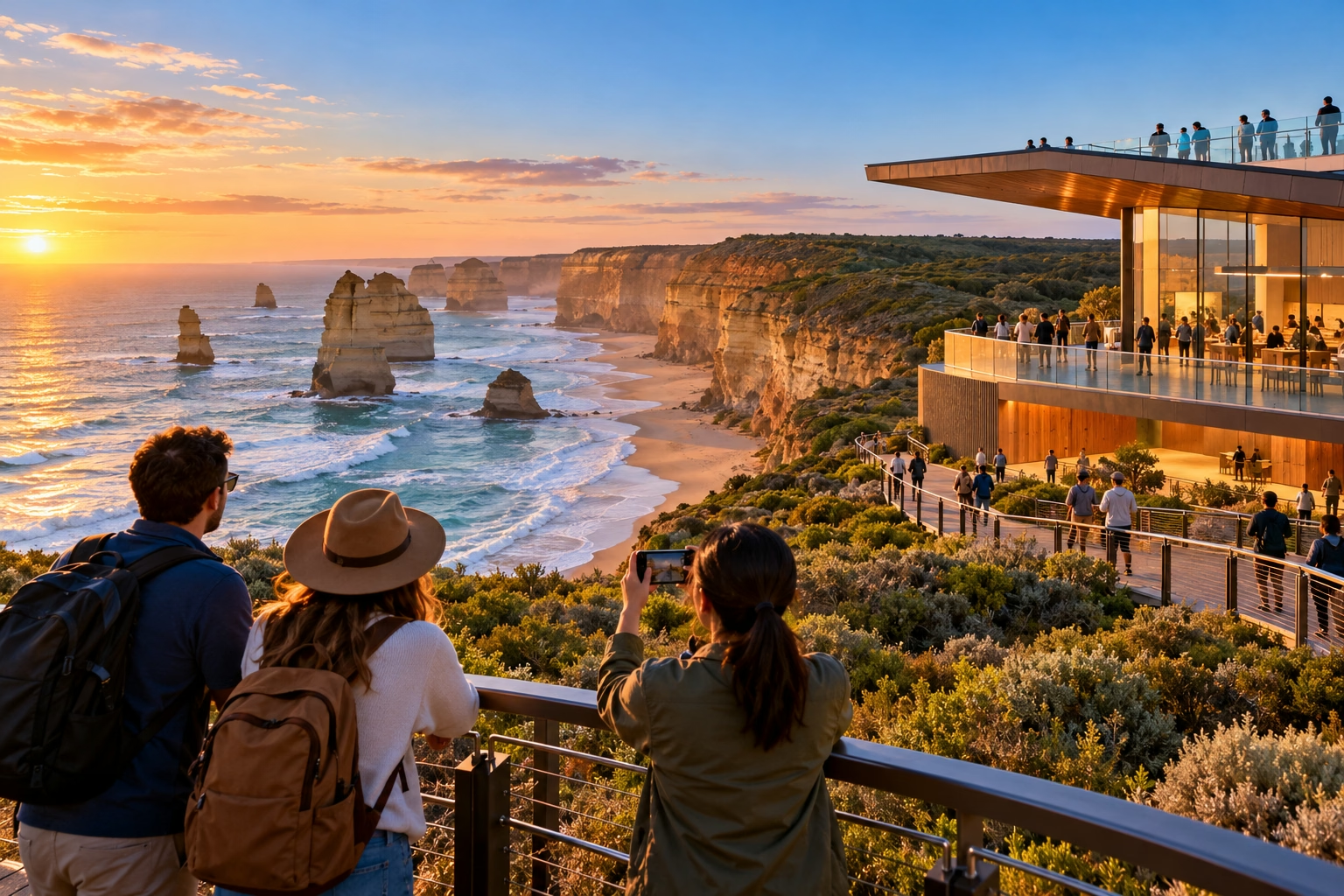
Melbourne is another excellent stop for budget travelers. Known for street art, coffee culture, live music, and creative neighborhoods, the city provides many low-cost experiences. Exploring laneways, visiting free galleries, relaxing in the Royal Botanic Gardens, and riding trams within the free tram zone can help reduce daily expenses. From Melbourne, many backpackers continue toward the Great Ocean Road, one of Australia’s most scenic coastal routes. Renting a campervan with other travelers can make this trip more affordable while offering freedom to stop at beaches, viewpoints, and small towns.
For nature lovers, Queensland is a must-visit. Cairns is a popular base for exploring the Great Barrier Reef and the tropical rainforest around Kuranda and Cape Tribulation. Reef tours can be costly, so backpackers should compare operators, look for standby deals, and book during less busy periods. Some hostels also partner with tour companies and offer discounted packages. In Brisbane and the Gold Coast, travelers can enjoy urban attractions, surf beaches, and nearby national parks without spending too much.
Accommodation is one of the biggest travel costs in Australia. Hostels remain the most common choice for backpackers because they offer dormitory beds, communal kitchens, laundry facilities, and social activities. Booking early can help secure cheaper rates, especially in peak seasons. Some travelers also use work exchange platforms, where they help with hostel tasks, farms, or local projects in return for accommodation. This option is useful for those who plan to stay longer and want deeper cultural experiences.
Transportation should also be planned carefully. Domestic flights are useful for covering long distances, but buses, trains, ride-sharing, and campervans can be cheaper depending on the route. Australia is huge, so trying to visit too many places in a short time can become expensive and exhausting. A smarter strategy is to focus on one region at a time, such as the East Coast from Sydney to Cairns, the southern route from Melbourne to Adelaide, or Western Australia around Perth and Margaret River.
Backpackers should also prepare for Australia’s climate and outdoor conditions. Sunscreen, reusable water bottles, comfortable walking shoes, and travel insurance are essential. National parks often have free or low-cost hiking trails, but travelers should respect safety signs, wildlife, and weather warnings.
With smart budgeting, Australia can be more than a luxury destination. It can become a rewarding backpacking adventure filled with beaches, cities, deserts, rainforests, wildlife, and unforgettable friendships along the way.