








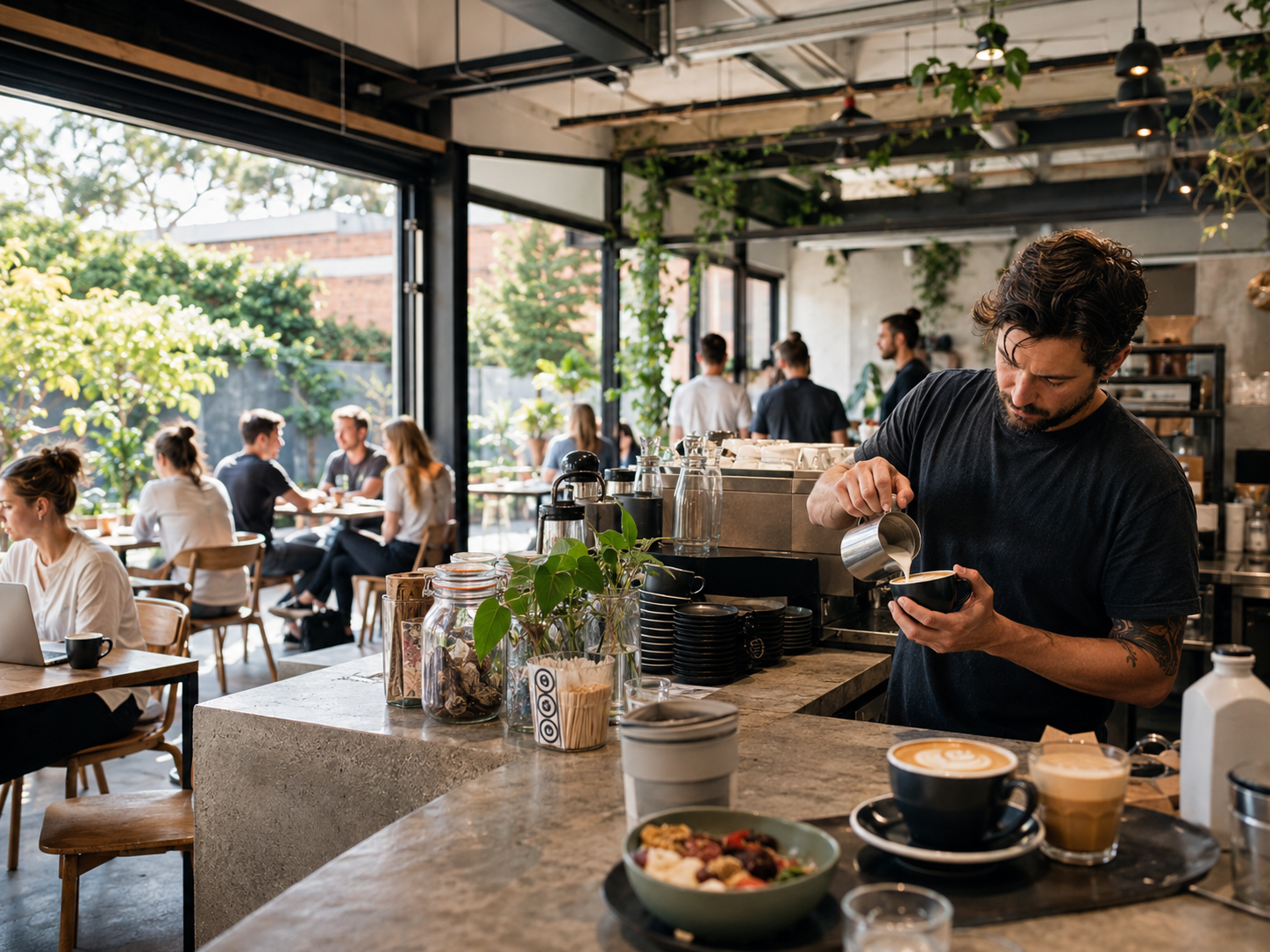
Australia has developed one of the world’s most influential coffee cultures, transforming cafes from simple beverage outlets into social hubs, lifestyle destinations, and competitive modern businesses. The growth of the Australian cafe industry reflects a combination of consumer sophistication, entrepreneurial creativity, and changing expectations toward quality, sustainability, and customer experience.
The Rise of Australia’s Specialty Coffee Movement
Unlike many countries where large coffee chains dominate the market, Australia’s coffee scene has been shaped strongly by independent cafes and specialty roasters. Cities such as Melbourne, Sydney, and Brisbane have become internationally recognized for their cafe ecosystems, where baristas, farmers, and coffee entrepreneurs focus on craftsmanship.
Australian consumers increasingly demand traceable coffee origins, ethical sourcing, and advanced brewing methods. Espresso-based drinks remain central to the market, but cafes now compete through unique experiences including single-origin beans, alternative milk options, seasonal menus, and personalized customer service.
The specialty coffee movement has also encouraged stronger connections between Australian businesses and global coffee-producing regions. Many local cafes highlight relationships with farmers from countries such as Colombia, Ethiopia, Brazil, and Indonesia, creating a more transparent coffee supply chain.
Cafe Businesses Adapt Through Technology and New Consumer Habits
Modern Australian cafes are no longer relying only on traditional walk-in customers. Digital ordering systems, loyalty applications, online payments, and social media marketing have become essential tools for survival and growth.
The Australian Bureau of Statistics provides ongoing business data that helps explain changes in the hospitality sector, including business activity and industry performance:
https://www.abs.gov.au/statistics/industry/industry-overview/australian-industry
This shift became especially visible after the COVID-19 disruption, when cafes accelerated investments in takeaway services, delivery partnerships, and digital customer engagement. Many businesses now combine physical locations with online strategies to create multiple revenue streams.
Sustainability Becomes a Competitive Advantage
Environmental responsibility is becoming a major factor in Australia’s cafe industry. Customers increasingly support businesses that reduce waste, use recyclable packaging, source sustainable ingredients, and minimize environmental impact.
Many cafes have introduced reusable cup programs, composting systems, and partnerships with environmentally responsible suppliers. Sustainability is no longer only a social responsibility issue; it has become part of brand identity and customer loyalty.
Real-World Perspective: Melbourne as a Global Coffee Destination
Melbourne represents one of the strongest examples of how coffee culture can influence an entire urban economy. The city’s laneway cafes, independent roasters, and coffee festivals have created a reputation that attracts both locals and international visitors.
The Melbourne coffee model demonstrates that cafes can succeed by building communities rather than simply selling drinks. A successful modern cafe provides atmosphere, storytelling, quality products, and memorable experiences.
Future Opportunities for Australian Cafe Entrepreneurs
The future of Australia’s cafe industry will likely be shaped by innovation, premium experiences, and operational efficiency. Businesses that combine traditional hospitality values with technology and sustainability are better positioned to compete.
The Australian cafe industry shows how coffee has evolved from a daily habit into a sophisticated cultural and economic force.