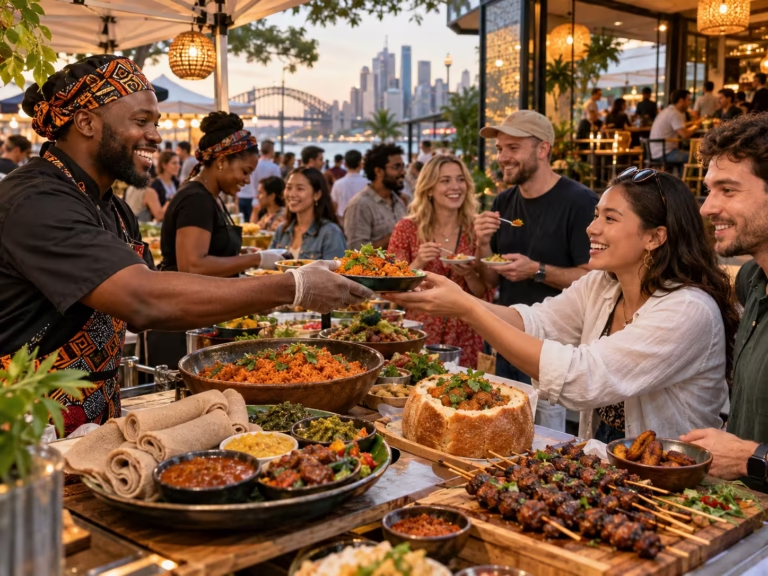



Food trucks are no longer viewed as rogue operators invading public land; instead, they are becoming integral components of urban planning and community development in Australia. In 2026, developers and local governments are actively courting mobile food vendors to activate dormant public spaces and create a sense of place in new urban precincts.
Placemaking and Urban Activation
The concept of “placemaking”—turning a location into a destination—is driving this shift. Urban planners recognize that a cluster of high-quality food trucks can transform an otherwise empty plaza or underutilized park into a bustling social hub. This is particularly evident in new apartment developments in cities like Brisbane and Perth, where developers are allocating space specifically for rotating food truck schedules to provide amenities for residents long before brick-and-mortar retail is established.
The Evolution of the “Food Truck Park”
The traditional weekend market is evolving into the permanent “Food Truck Park.” These are dedicated, semi-permanent venues equipped with infrastructure designed specifically for mobile vendors: power hookups, grease traps, waste management, and communal seating. These parks solve the logistical headaches of street vending while providing a curated culinary experience for visitors.
A key driver of this trend is the economic multiplier effect. According to a study by the Planning Institute of Australia, integrating food and beverage vendors into public realm strategies increases dwell time and foot traffic by up to 40%, benefiting surrounding brick-and-mortar businesses. This data is compelling councils to streamline the approval process for trucks operating within designated “activation zones.”
Safety and Night-Time Economy
Furthermore, cities are leveraging food trucks to improve the night-time economy. By placing food trucks near transport hubs and entertainment districts, governments are creating “safe spaces” with lighting and food availability, which encourages commuters to linger rather than rushing home. This strategy turns transit corridors into safe, active thoroughfares, reducing anti-social behavior and supporting the local economy after dark.