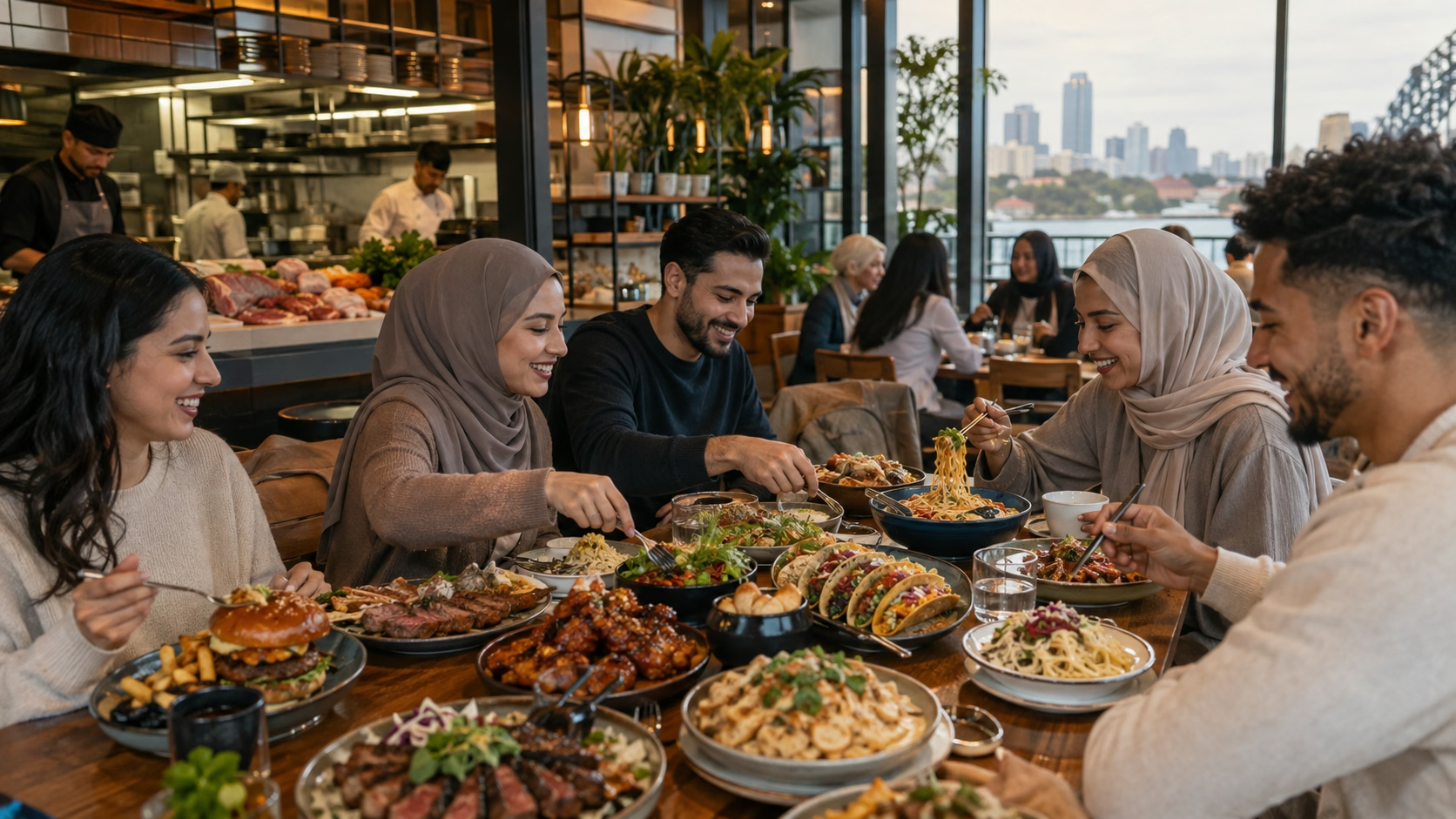
Melbourne, August 2026 — For years, halal dining in Australia was associated with kebabs, curries, and late-night takeaway. That stereotype is being shattered by a new generation of chefs and restaurateurs who are bringing halal cuisine into the fine dining mainstream.
The Rise of Premium Halal Dining
A scan of Sydney and Melbourne’s most talked-about restaurants in 2026 reveals a quiet revolution. Several hatted venues now operate fully halal kitchens, while others offer halal-certified degustation menus alongside conventional offerings. Diners can experience eight-course tasting menus featuring dry-aged halal wagyu, smoked duck with native Australian spices, and Middle Eastern-inspired desserts made with halal gelatine.
According to the Halal Food Australia directory, the number of premium halal restaurants in major cities has more than doubled since 2022. Many are found in culturally diverse precincts, but a notable number have opened in central business districts to attract business travellers from Southeast Asia and the Gulf.
Chef-Led Innovation
The shift is being driven by chefs who see halal certification not as a limitation but as an opportunity to refine sourcing and technique. One Melbourne chef, who recently launched a halal omakase-style menu, explains that working within halal constraints forced his kitchen to focus on fish, dry-aged lamb, and seasonal vegetables in new ways.
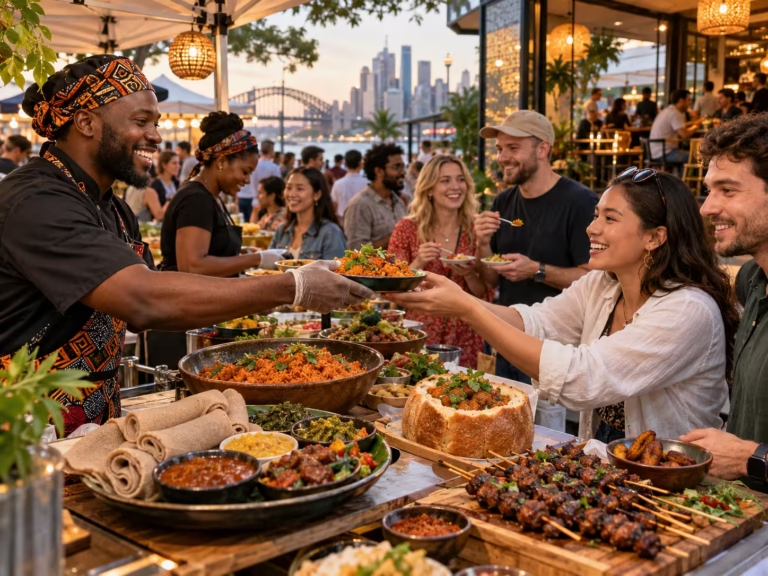
Food trucks have also gone upmarket. At weekend markets and food festivals, halal trucks now serve lobster rolls, truffle fries, and Korean-style charcoal chicken. Many operators use social media to build loyal followings, and halal food festivals in Sydney and Melbourne now attract tens of thousands of attendees.
The Business Case for Premium Halal
The economics are compelling. Premium halal diners tend to have higher average spend per head, particularly when celebrating Ramadan, Eid, or corporate events. Hotels and event venues have noticed, with several five-star properties in Sydney and Melbourne introducing halal banquet kitchens to cater to weddings and conferences.
Tourism and Corporate Demand
International visitors from Indonesia, Malaysia, and the Middle East increasingly expect fine dining options that respect their dietary requirements. Australian tourism operators are responding by including halal fine dining in premium travel packages. This includes halal wine alternatives, which are now served at several high-end halal restaurants, adding another layer of sophistication.
The blurring of street food and fine dining is perhaps the most exciting development. A halal food truck might serve a dish inspired by a hatted restaurant, while a fine dining chef might run a weekend halal brunch pop-up. This cross-pollination is elevating the entire category and challenging outdated assumptions about halal cuisine.
Australia’s halal culinary identity is becoming more confident, more experimental, and more premium. The next phase will likely see halal menus integrated into mainstream food guides without being treated as a separate category—an evolution that would have been unthinkable only a decade ago.