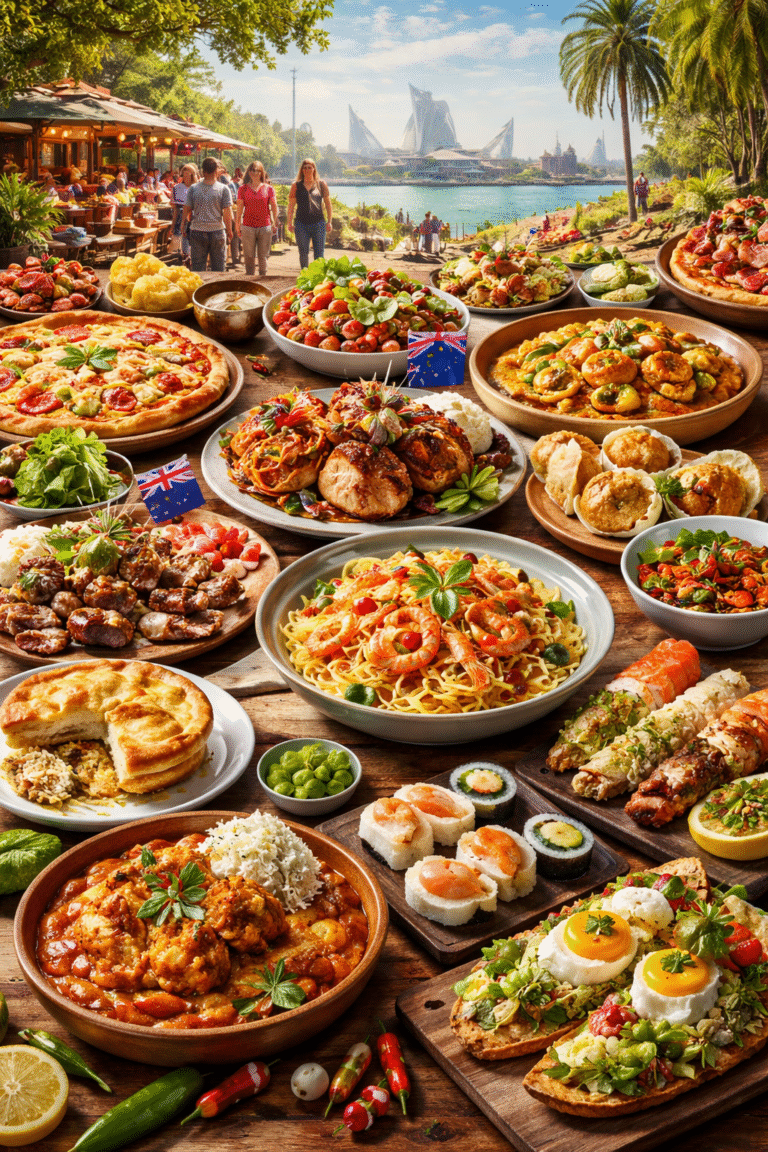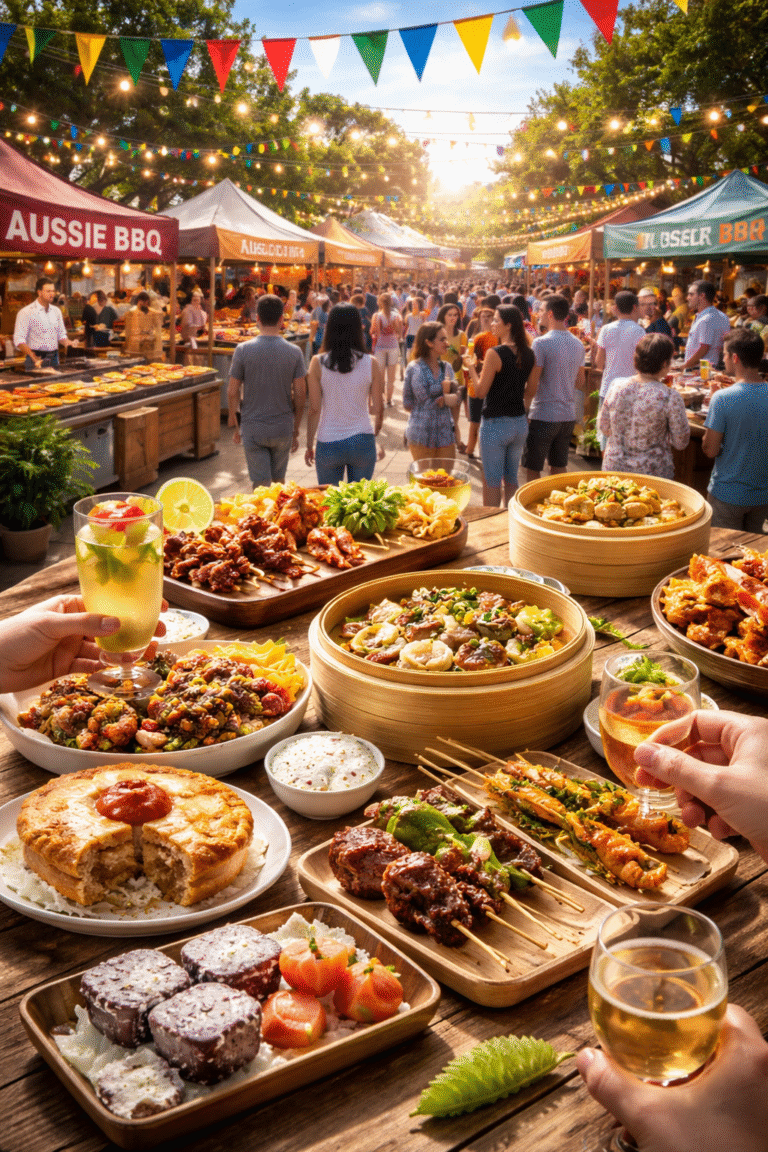











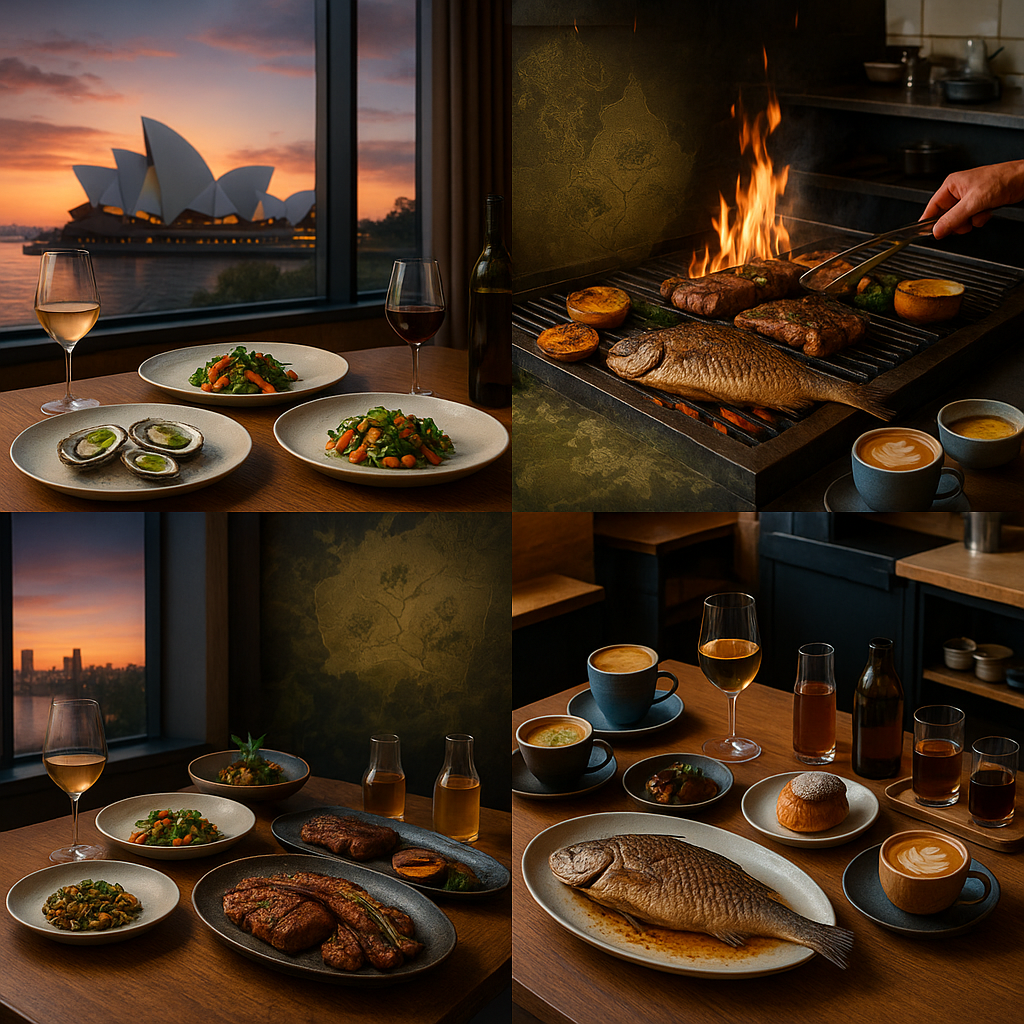
Australian dining thrives on a curious triad: fearless produce selection, technique that borrows widely, and an insistence on expressing landscape. Attica treats Indigenous ingredients as foundational, not decorative—finger lime brightens, desert herbs add lift, and seasonal vegetables anchor dishes in ripeness rather than richness. Quay and Bennelong pursue similar clarity, presenting seafood and plants with an eye toward texture and balance rather than showy embellishment. Out in Birregurra, Brae lets the garden do the talking; the kitchen edits rather than overwhelms.
Heat management is a national preoccupation. Firedoor epitomizes the craft of flame, swapping gas for wood to build gradients of char and smoke. Brisbane’s Agnes explores a related grammar of embers—austere at first glance, remarkably nuanced in practice. With seafood, Saint Peter pioneered fish butchery as a frontier of sustainability and flavor, demonstrating how aging and alternative cuts produce depth without waste. In Perth, Wildflower connects menus to Noongar seasonal calendars, weaving knowledge systems into contemporary cooking.
The rise of non-alcoholic pairings is notable. Restaurants now pour house ferments, verjus blends, and botanical infusions that stand up to tasting menus, proving that alcohol-free doesn’t mean interest-free. Wine programs center Australia: Margaret River’s structured chardonnays and cabernets, cool-climate Tasmanian sparkling, Yarra Valley pinots, and a vibrant cohort of minimal-intervention producers offering saline whites and chillable reds. Lists often spotlight small growers and new subregions, encouraging discovery over prestige hunting.
Cafés act as labs for precision scaled to everyday life. Melbourne’s Industry Beans and Seven Seeds normalize filter alongside espresso; tasting boards and origin cards translate roasting choices into drinkable lessons. Sydney’s Single O pioneered ethical sourcing at scale while maintaining consistently excellent milk work. Regional players like Exchange Specialty Coffee (Adelaide) and Mary Street Bakery (Perth) demonstrate that sophistication needn’t cluster only in the biggest markets—quality beans, exact water chemistry, and disciplined extraction are widely embraced.
For visitors, a few savvy moves elevate the experience. Book top restaurants early, but consider midweek seats or lunch services where available—menus can be equally expressive with calmer pacing. Expect public holiday surcharges and transparent service charges. Tipping is welcome but low-pressure. BYO-friendly venues offer an alternate route to special-occasion drinking; ask about corkage and stemware. Most kitchens handle dietary constraints—vegan, gluten-free, dairy-free—with clarity if notified ahead. Dress codes lean smart-casual; the food does the impressing.
Australia’s best tables aren’t chasing spectacle; they’re refining perspective. Whether it’s a linen-clad tasting room or a sunlit café bar, the ambition is the same: to illuminate ingredients with technique, context, and restraint, letting the country itself be the loudest voice on the plate.