
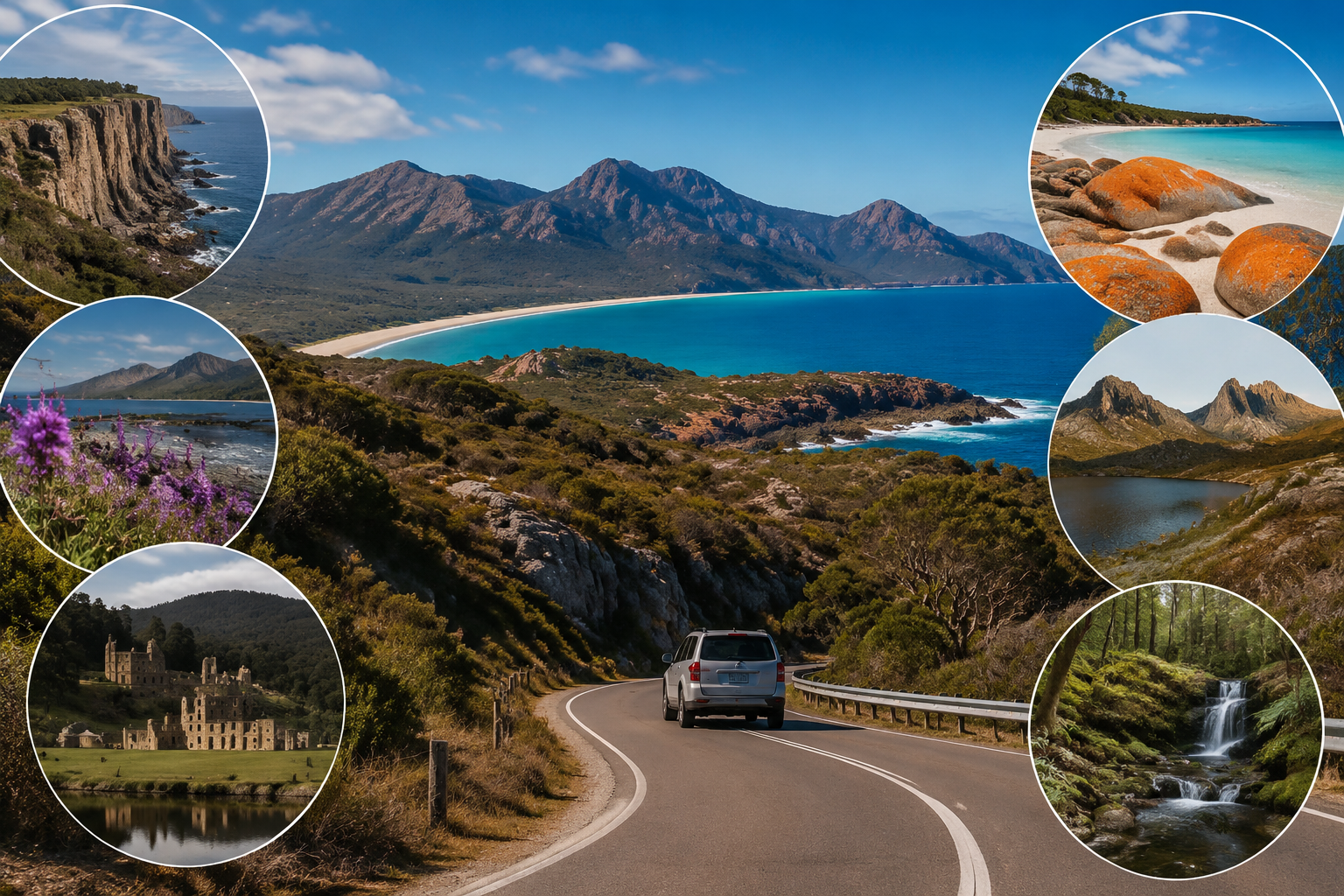
Australia’s Great Ocean Road is often presented as a simple drive from Melbourne to the Twelve Apostles. In reality, the route is a layered travel experience combining surf towns, rainforest trails, limestone cliffs, Indigenous heritage and small regional communities.
Stretching along Victoria’s southwest coast, the road rewards travelers who avoid treating it as a rushed day trip. A two- to four-day itinerary allows time for quieter beaches, forest walks and overnight stays that support local businesses beyond the most photographed viewpoints.
Starting the Journey from Melbourne
Most travelers begin in Melbourne and drive southwest toward Torquay, approximately 100 kilometers from the city. Torquay is widely regarded as the gateway to the Great Ocean Road and is closely associated with Australia’s surfing culture.
From Torquay, the route continues toward Bells Beach, Anglesea and Aireys Inlet. Bells Beach is internationally known for powerful waves, but visitors should observe local safety signs because steep access points and changing ocean conditions can make swimming dangerous.
Aireys Inlet offers a slower coastal experience. The Split Point Lighthouse precinct provides elevated views across the Southern Ocean and gives travelers an early sense of the dramatic coastline ahead.
Lorne, Waterfalls and Otway Rainforest
Lorne is one of the route’s most popular overnight stops. Cafés, coastal walking paths and nearby waterfalls make it suitable for travelers who want more than roadside photography.
Erskine Falls, located inland from Lorne, descends through a fern-filled forest. The area demonstrates how quickly the landscape changes from open coastline to dense rainforest.
Farther west, Great Otway National Park introduces tall eucalyptus forests, cool-temperate rainforest and waterfalls. Drivers should allow additional time because several attractions require detours from the main highway.
Wildlife encounters are possible around Kennett River and other forested sections, where koalas may be seen in eucalyptus trees. Animals should never be fed or approached closely, as human interaction can change their natural behavior.
The Twelve Apostles and Shipwreck Coast
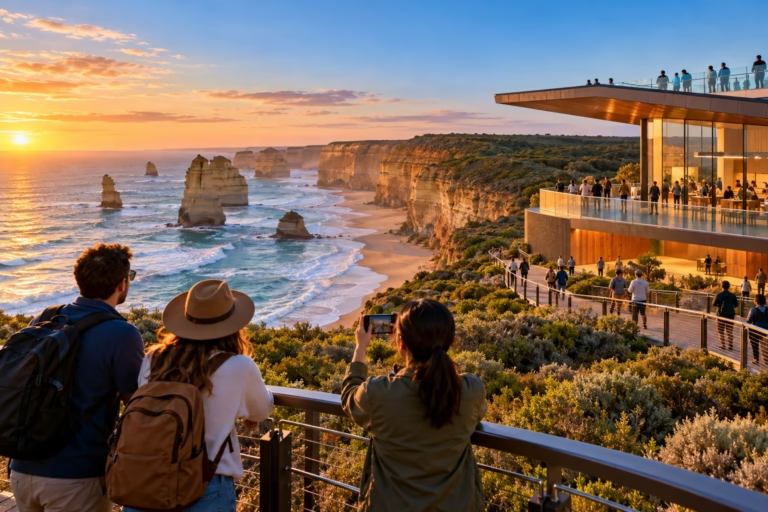
The Twelve Apostles remain the route’s most recognizable landmark. Despite the name, visitors will not see twelve standing formations. The limestone stacks have been shaped by erosion, and the coastline continues to change under the force of wind and waves.
The nearby Gibson Steps, Loch Ard Gorge and London Bridge offer different perspectives on the same geological system. Loch Ard Gorge also carries a human story connected to the 1878 wreck of the Loch Ard, one of many maritime disasters associated with this coast.
Official information about park access, safety notices and temporary closures is available through Parks Victoria. Checking conditions before departure is especially important after storms, bushfires or road maintenance.
A More Responsible Road-Trip Strategy
Heavy visitor concentration around the Twelve Apostles can place pressure on parking areas and viewing platforms. Travelers can reduce congestion by arriving early, visiting outside peak holiday periods and staying overnight in towns such as Apollo Bay, Port Campbell or Warrnambool.
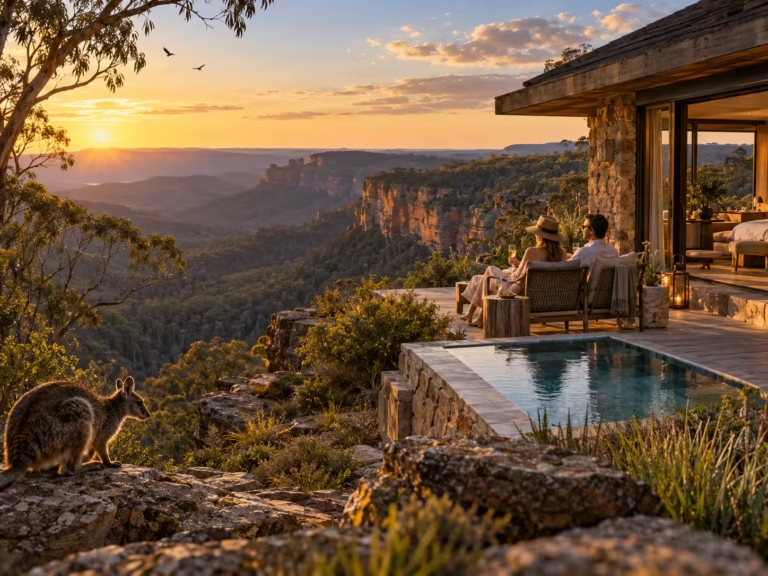
Driving after dark should be minimized because kangaroos, wallabies and other animals may enter the road. Fuel levels, weather forecasts and accommodation should also be checked in advance.
The Great Ocean Road is most rewarding when approached as a regional journey rather than a single attraction. Its strongest experiences often come from the quieter stops between famous landmarks.