The World’s First Astronomers
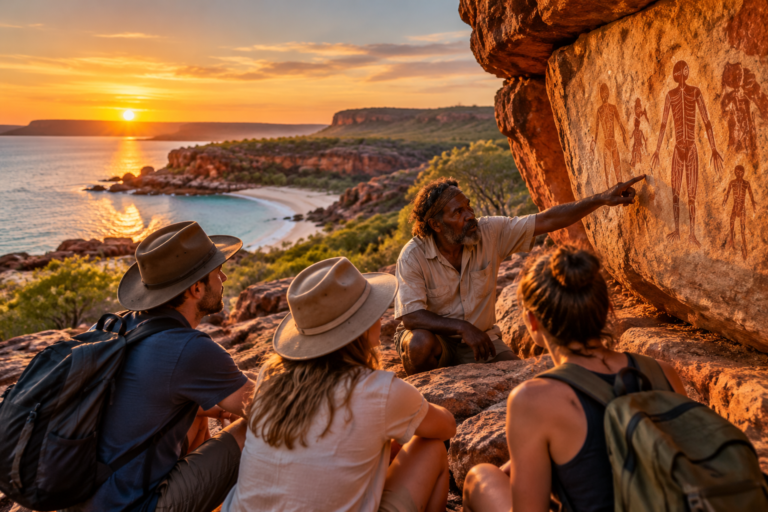
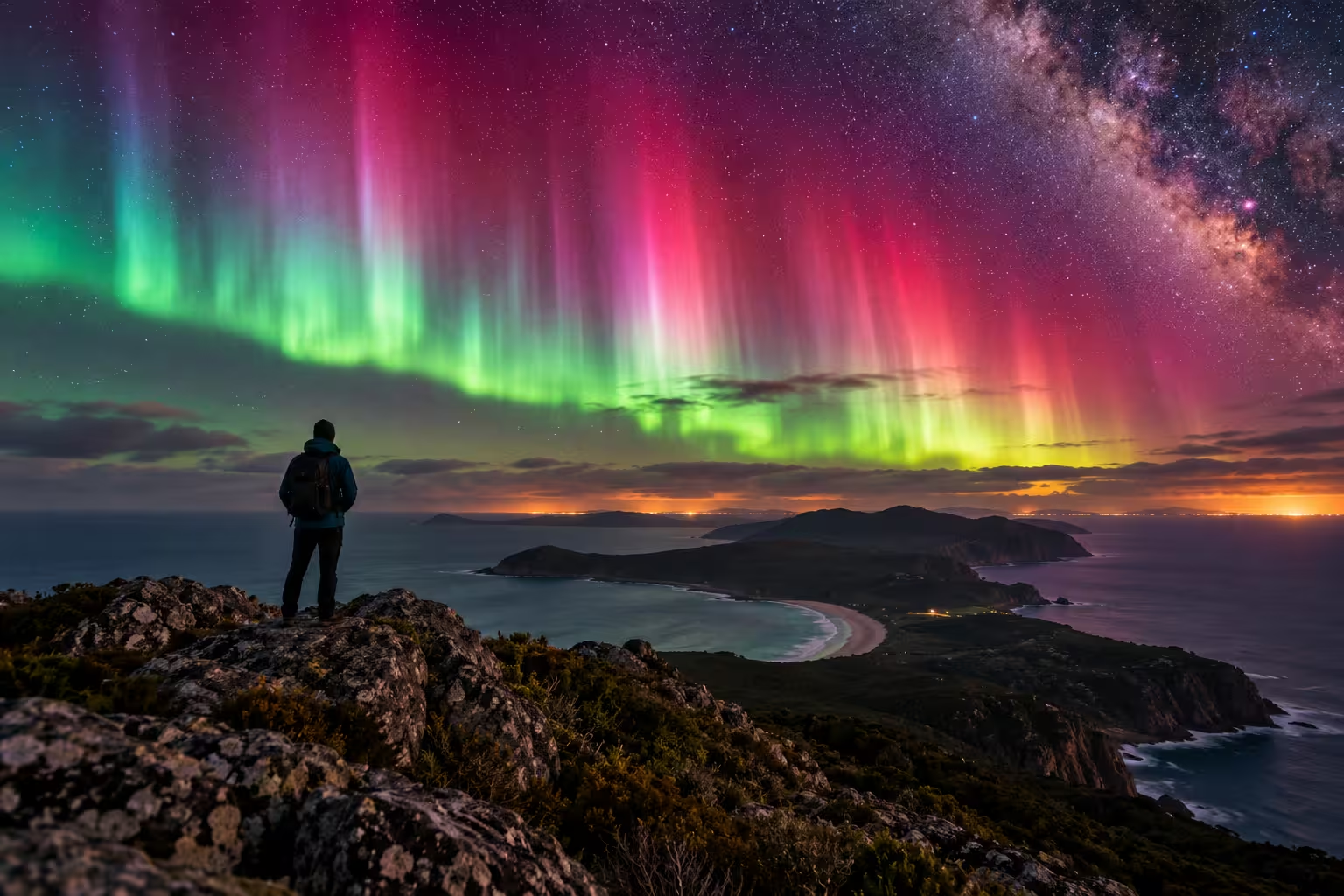
Aboriginal Australians have practiced astronomy for at least 65,000 years — making them the world’s first astronomers by any measure. The night sky served as a navigation system, a seasonal calendar, a storytelling canvas, and a spiritual framework that governed life across the continent’s vast interior.
Today, that ancient knowledge is being integrated into contemporary dark sky tourism in ways that offer visitors far more than astronomical observation. It offers cultural connection.
A Growing Sector
The emergence of Indigenous-led stargazing experiences reflects broader trends in Australian tourism toward authentic cultural engagement. At Healesville Sanctuary in Victoria, Sky Country Tours — led by Gomeroi astrophysicist Krystal De Napoli — guide visitors through the celestial knowledge of First Nations Australia. These tours operate within Coranderrk Bushland, a rarely accessible section of the sanctuary, and explicitly connect astronomical observation with ecological awareness.
In North West Tasmania, Mount Gnomon Farm hosts evenings that combine astronomy, culture, food, and music, featuring talks by Wuradjuri astrophysicist Dr. Kirsten Banks. These events position Indigenous astronomy not as a historical curiosity but as a living knowledge system with contemporary relevance.
Karlu Karlu: A Case Study in Integration
The designation of Karlu Karlu Conservation Reserve as an International Dark Sky Sanctuary in 2026 explicitly incorporates Indigenous cultural interpretation. Signage and viewing infrastructure developed as part of the designation will include “interpretation of the night sky through Aboriginal-led storytelling”.
This approach recognizes that the reserve’s cultural significance — it is a registered sacred site for the Kaytetye, Warumungu, Warlpiri, and Alyawarra peoples — is inseparable from its astronomical value. The night sky above Karlu Karlu is not merely dark; it is storied, mapped, and meaningful in ways that predate written astronomy by millennia.
The Cosmos Centre Model
In outback Queensland, the Charleville Cosmos Centre has pioneered a model where science and storytelling coexist. Guides at the center “expertly blend science and storytelling, exploring the history of astronomy and ancient stories of Australia’s First Nations peoples, demonstrating how the sky has guided life and culture for tens of thousands of years”.
This approach appeals to visitors seeking depth beyond technical astronomy. The Milky Way becomes not just a galaxy but a pathway trodden by ancestral beings. The Southern Cross becomes not just a constellation but a guide for navigation and seasonal understanding.
Why This Matters for Tourism
The integration of Indigenous astronomy into dark sky tourism represents a correction of historical erasure. For decades, astronomy tourism focused almost exclusively on Western scientific frameworks. The growing prominence of Indigenous perspectives reflects both a demand from travelers for authentic cultural experiences and a recognition by the tourism industry that Indigenous knowledge holders are essential partners.
The Western Australian Museum’s Gwoonwardu Mia facility in Carnarvon offers another example, where visitors can “discover Indigenous perspectives on the night sky” and learn how Aboriginal Australians used the stars for navigation, storytelling, and seasonal tracking for tens of thousands of years.
Looking Forward
As Australia’s dark sky network expands — with new sanctuaries, reserves, and community designations emerging each year — the question of cultural authority becomes increasingly important. Who tells the stories of the night sky? Whose knowledge is centered?
The emerging model, visible at Karlu Karlu, Healesville, and Charleville, suggests that Indigenous leadership in dark sky interpretation is not merely appropriate but essential. The sky, after all, has been read and revered on this continent for far longer than it has been studied through telescopes.