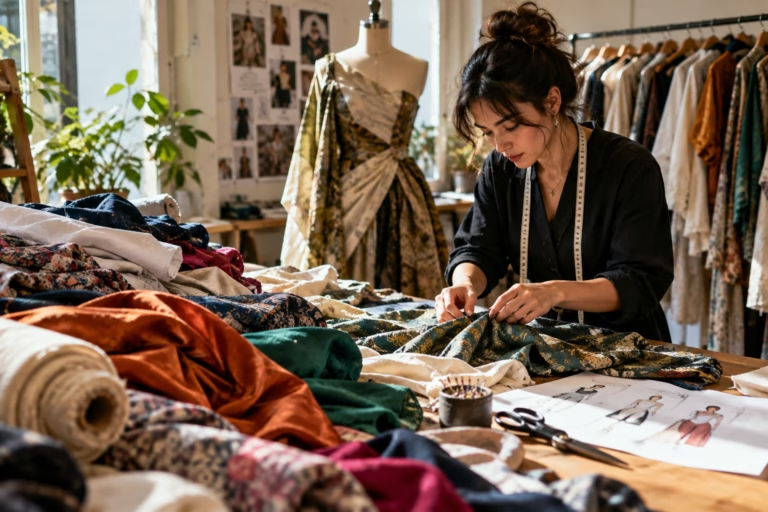


Across Australia, a quiet shift is reshaping wardrobes. Shoppers are starting to question ultra-cheap garments and instead seek clothing that is made with care. In response, several Australian brands have embraced slow fashion: smaller collections, better materials, and transparent supply chains that emphasise both quality and ecological responsibility.
Why Materials Matter So Much
The journey towards a more responsible wardrobe often begins with fabric. Brands such as Bassike and Vege Threads prioritise organic cotton, which is generally grown without synthetic pesticides and fertilisers. This can reduce harm to soil, water, and farming communities. Afends goes further by advocating for hemp, a hardy plant that typically needs less water and can grow in a range of conditions. These fibres not only feel comfortable but also represent a deliberate move away from resource-intensive conventional textiles.
Outland Denim: Craftsmanship with a Purpose
Denim manufacturing is notoriously demanding on water and chemicals, yet Outland Denim has worked to create a different model. The brand invests in technologies and processes designed to limit harmful impact while maintaining the durability denim is known for. Skilled makers focus on precise stitching, thoughtful pattern placement, and finishing techniques that give each pair of jeans character without resorting to excessive distressing or wasteful washes. The company’s social enterprise approach, employing and training people from vulnerable backgrounds, underlines the idea that quality includes human wellbeing.
ELK and KITX: Design-Led Sustainability
ELK and KITX show that sustainability can sit comfortably at the heart of high-design fashion. ELK’s pieces often feature sculptural shapes and rich textures, with the team carefully selecting tanneries, mills, and workshops that meet ethical and environmental standards. KITX, meanwhile, works with organic fibres, recycled materials, and innovative fabric blends while pushing a strong design vision on the runway. Both brands treat sustainability as a design brief rather than a constraint, proving that responsible clothing can be bold, elegant, and expressive.
Etiko: Everyday Items with Deep Values
While some labels focus on elevated fashion, Etiko centres its collection on everyday items like sneakers, T-shirts, and underwear. These are the pieces people wear most often, so improving them can have a big impact. Etiko’s commitment to fair trade principles and organic inputs is paired with robust construction—thicker soles, strong stitching, and reinforced stress points—so that items withstand daily wear. The goal is to reduce the cycle of constant replacement that drives so much waste.
Building a Longer-Lasting Wardrobe
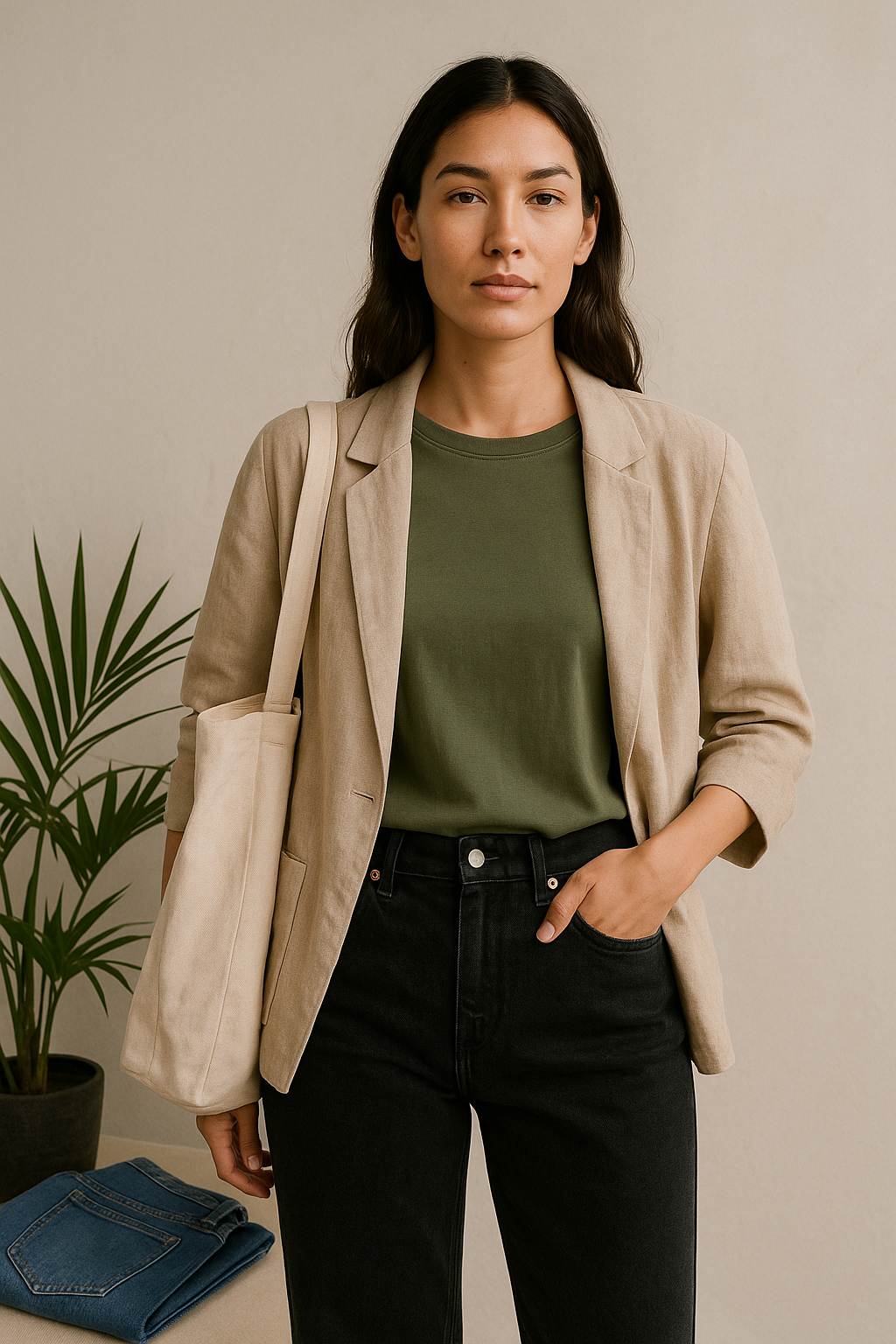
The common thread linking these brands is a belief that clothing should endure. Heavier-weight fabrics, reinforced seams, and timeless silhouettes all contribute to garments that can handle repeated use. For shoppers, this means shifting expectations: paying a bit more up front, but getting far more wears in return. Repair, resale, and clothing swaps fit neatly into this philosophy, keeping good pieces in circulation for as long as possible.
The Broader Impact of Choosing Better Brands
Supporting Australian fashion labels that emphasise quality and sustainability is more than a personal style choice. It also helps strengthen ethical factories, encourages farms to adopt better practices, and shows the industry that there is demand for transparency. Each purchase sends a signal. When that signal favours carefully made garments and responsible business models, it nudges the fashion system towards a future where style doesn’t cost the earth.