


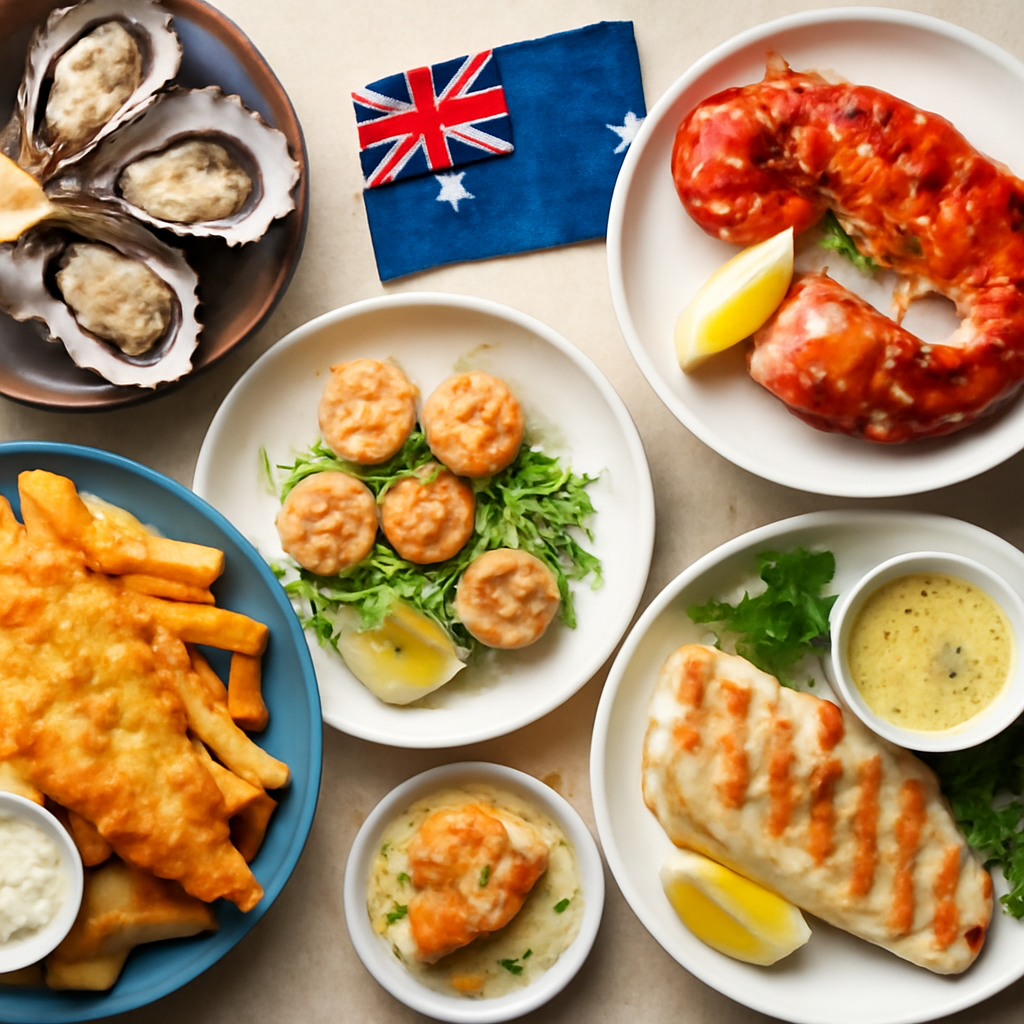
Seafood is at the heart of Australian cuisine, offering an array of flavors, textures, and cooking methods that make it a beloved part of the nation’s food culture. Given Australia’s geographic position, surrounded by oceans on all sides, seafood is a major part of everyday dining, from casual meals to high-end dining experiences.
One of the key reasons for the prominence of seafood in Australia is the variety of fish and shellfish available from the surrounding oceans. Species such as barramundi, snapper, and cod are often served grilled, baked, or fried, while shellfish like oysters, mussels, and prawns are enjoyed in a variety of preparations. Whether served simply with a squeeze of lemon or incorporated into complex sauces and marinades, seafood in Australia is celebrated for its freshness and versatility.
Fish and chips, one of the most iconic seafood dishes in Australia, is a perfect example of how Australian chefs have made their mark on traditional British cuisine. While the dish has its roots in the UK, Australians have adopted and adapted it, using local fish like barramundi for its distinct flavor. The Australian version of fish and chips also tends to focus on the freshness of the fish, often serving it with a side of fresh salad or chips cooked to perfection.
Oysters, particularly those harvested from New South Wales and Tasmania, are another beloved part of Australian seafood cuisine. Australian oysters are known for their delicate, briny flavor, and they are often served raw with lemon and a dash of Tabasco sauce or cooked in a variety of dishes. Australian chefs have elevated oysters to a fine-dining level, incorporating them into gourmet dishes such as oyster gratin or oyster mornay.
The Australian commitment to sustainable seafood practices is one of the most noteworthy aspects of its seafood culture. Many fisheries in Australia adhere to strict regulations designed to protect fish stocks and marine environments, ensuring that the seafood industry remains viable for future generations. Additionally, the Australian government promotes responsible consumption through programs that educate the public about the importance of sustainable seafood.
Australia’s multicultural influences are also evident in the way seafood is incorporated into the national cuisine. Asian flavors, in particular, have had a significant impact on Australian seafood dishes. For instance, prawn stir-fries with ginger and garlic or crab cooked in a Thai-style curry are now common in Australian kitchens. Mediterranean-inspired dishes, such as seafood risottos or grilled fish with olive oil and herbs, are also popular and reflect the diverse backgrounds of many Australians.
The use of native ingredients in seafood dishes is another growing trend in Australian cuisine. Indigenous herbs, spices, and fruits, such as bush tomato, finger lime, and wattleseed, are being used in new ways to complement the natural flavors of Australian seafood. This fusion of traditional Aboriginal food knowledge with contemporary cooking techniques adds an exciting dimension to the Australian seafood scene.
In Australia, seafood is more than just a meal; it is an expression of the country’s deep connection to its surrounding oceans. Whether enjoyed in a simple seaside picnic or as part of a sophisticated fine dining experience, Australian seafood reflects the nation’s diverse cultural influences and its commitment to sustainability and freshness.