

The Rise of the Protein Add-On
A quiet transaction is taking place at counters across Australia. Customers are no longer simply ordering a meal; they are modifying it, adding protein for a fee, and treating the base menu as a starting point rather than a fixed offer. Soul Origin’s 2026 partnership with Matildas star Ellie Carpenter crystallised this shift. The chain introduced a $4 add-on allowing customers to add 80 grams of chicken—either schnitzel or poached—to any salad. The launch was a direct response to what Soul Origin’s chief marketing officer Petra Orrenius describes as rising demand for “protein additions and menu personalisation”.
Personalisation as the New Loyalty
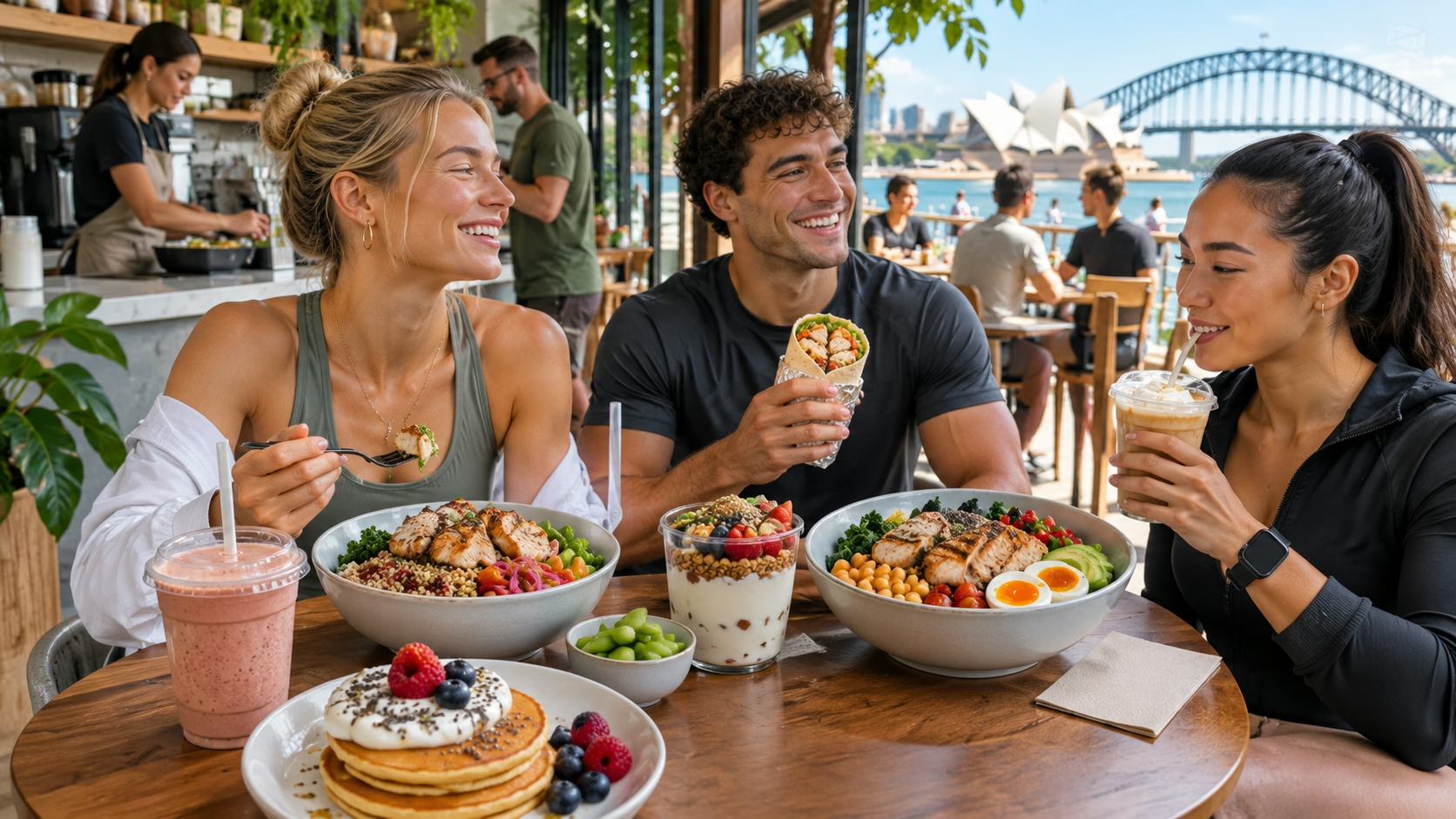
The protein add-on is more than an upsell; it is a personalisation strategy. It empowers the consumer to calibrate their meal to their own nutritional goals, whether that is post-gym recovery, GLP-1-related satiety management, or simply a desire to feel fuller for longer. Carpenter’s own order—a Chicken Avocado Salad with an added 80 grams of poached chicken—serves as a culturally credible endorsement, aligning the brand with athletic performance and everyday vitality. The add-on does not require loyalty program membership, lowering the barrier to entry and making the protein upgrade an accessible, impulse-friendly decision.
The Data Behind the Demand
This behavioural shift is underpinned by hard data. The Lightspeed report cited earlier found that high-protein options are among the most demanded health-conscious menu choices in Australia, with demand strongest among older demographics who are increasingly focused on muscle preservation and healthy ageing. Meanwhile, the GLP-1 cohort is driving a move toward smaller, simpler, higher-protein orders. Lucy Travaglia of Ideally notes that “the market is already moving towards smaller, healthier eating occasions,” and brands that facilitate this through flexible protein additions will be best positioned as adoption grows.
The Operational Playbook
For operators, the custom protein economy offers a dual benefit: increased average cheque size and enhanced customer loyalty through perceived control. The key is to make the add-on visible, frictionless, and consistently executed. Whether it is a chicken add-on at a salad chain, a protein milk swap at a café, or a double-fillet option at a burger joint, the principle is the same. The Australian diner in 2026 does not want to be told what their protein intake should be; they want the tools to decide for themselves, and they are willing to pay for that agency. The venues that design their menus around this autonomy are turning a nutritional trend into a durable commercial advantage.