









One of the most valuable ways to understand Australian festival food is to look beyond modern fusion and into the continent’s oldest culinary knowledge. Indigenous food traditions—often discussed under the broad label “bush tucker”—are increasingly visible at cultural events, especially when festivals collaborate with Aboriginal and Torres Strait Islander chefs, educators, and suppliers. When done thoughtfully, festival food becomes a bridge between ancient ingredients and contemporary dining.
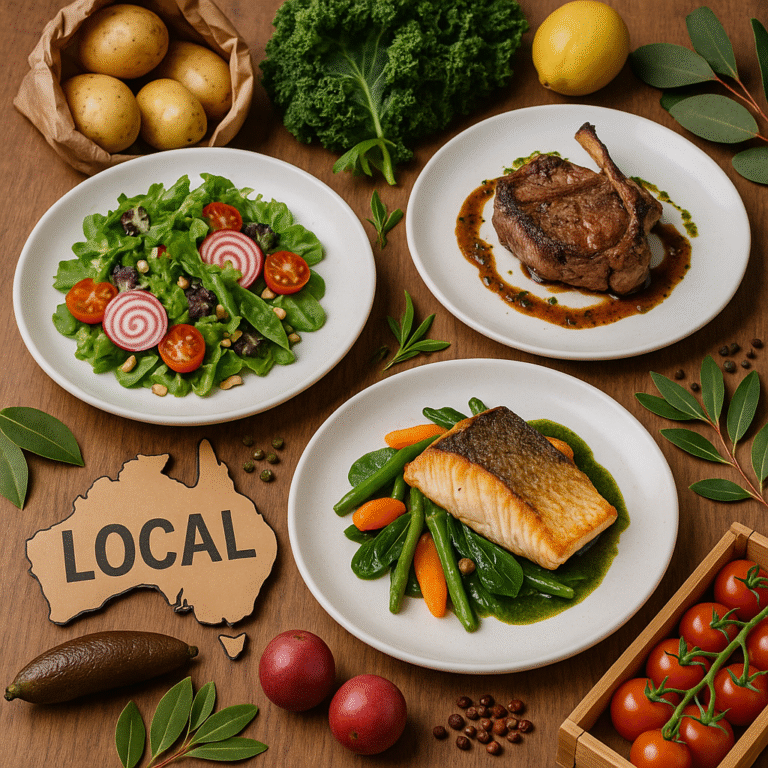
Indigenous foodways are deeply tied to land, seasons, and local ecosystems. Rather than a single “menu,” there are many regional practices shaped by climate and country. Festivals can introduce these concepts through tasting plates, workshops, and vendor stalls offering ingredients or prepared foods. You might see native herbs and fruits presented in accessible forms: lemon myrtle used in marinades or desserts, wattleseed added to chocolate or baked goods, finger lime pearls scattered over seafood, or pepperberry providing a gentle heat. These flavors are striking not because they’re exotic, but because they feel distinctly connected to Australian landscapes.
A key insight is that Indigenous ingredients are not just “flavor add-ons.” Many have cultural significance and require careful sourcing. Ethical festival programs often highlight where ingredients come from and who benefits. This is important because interest in native foods can create demand that outpaces responsible harvesting. Festivals that partner with Indigenous-owned businesses or accredited suppliers help ensure the food is part of a respectful economy, not a trend that extracts value without giving back.
At cultural events, Indigenous-led cooking demonstrations can be as impactful as eating itself. Seeing a chef explain how an ingredient is traditionally gathered, prepared, or paired can reshape how visitors think about Australian cuisine. Instead of viewing native foods as novelty seasonings, audiences learn they belong to an ongoing system of knowledge—practical, ecological, and cultural. Some festivals also integrate storytelling, language, and art into food experiences, making the meal part of a wider cultural practice rather than a standalone product.
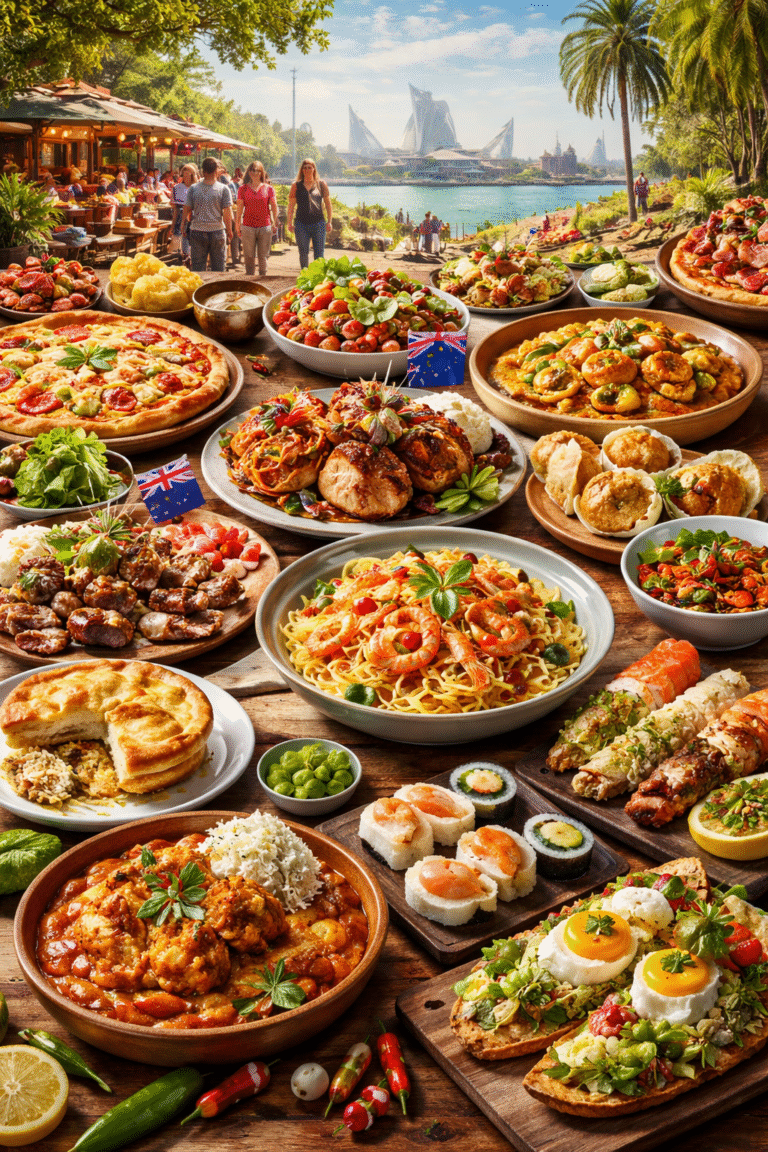
You may also encounter Indigenous interpretations of familiar festival favorites. A burger might include native-spiced patties or sauces using bush tomato. Damper-style breads may be served with local jams or infused butters. Desserts can feature native fruits with tart, aromatic profiles. These adaptations work well in festivals because they meet crowds where they are—offering approachable formats while still introducing new flavors.
For attendees, the most respectful approach is curiosity paired with awareness. Read stall information, ask questions politely, and be open to learning about the ingredient’s background rather than treating it as a checkbox experience. If a festival offers talks about Country, sustainability, or Indigenous food systems, those sessions can deepen your understanding of what you’re tasting. Food becomes a doorway into broader topics: land management, seasonal knowledge, and the ways communities maintain cultural continuity.
Indigenous cuisine is also connected to contemporary Australian identity in a forward-looking way. When festivals feature Indigenous vendors alongside multicultural stalls, it highlights a fuller picture of the country’s food story—one that begins long before colonization and continues through modern creativity. This doesn’t replace the multicultural table; it grounds it.
For anyone exploring Australian culinary culture through festivals, engaging with Indigenous food is one of the most meaningful experiences available. It offers flavors you won’t find anywhere else, and—when presented with proper context—it also offers a deeper understanding of the place itself.