
The Australian children’s fashion sector is undergoing a quiet but profound transformation. As family budgets tighten and environmental awareness deepens, the development of local brands and the evolution of parental buying behaviour are rewriting the rules of the industry. According to Statista’s 2026 market outlook for children’s apparel in Australia, the sector’s revenue is projected to reach US$2.9 billion, growing at 3.8% annually, with premium and sustainable segments driving most of the momentum.
Heritage Brands Evolve to Keep Pace
Iconic Australian labels that once dominated the kids’ wardrobe with basic cotton essentials are now reinventing themselves. Bonds, a household name for generations, expanded its kids’ line in 2025 with the “Worn Well” initiative—a program that encourages recycling of outgrown garments in exchange for loyalty discounts. The move is part of a broader brand evolution that sees Bonds incorporating recycled polyester and organic cotton into everything from baby bodysuits to school-ready trackpants. Similarly, Country Road’s children’s collection now carries the brand’s verified Australian Good Cashmere and carbon-neutral certifications, signalling that even mid-market retailers recognise parents’ growing demand for transparency.
What Parents Prioritise in 2026
Parental preferences have moved far beyond colour and character licensing. A 2026 consumer sentiment survey by the Australian Retailers Association indicates that 72% of parents place fabric quality and durability above price when purchasing for children aged 0–12. Comfort and skin-friendliness are top of mind, with many families actively avoiding synthetic blends that cause irritation. There is also a marked shift toward gender-neutral designs. Mothers and fathers are increasingly rejecting rigid “boys’ blue” and “girls’ pink” segmentation, choosing versatile pieces that can be passed down regardless of the sibling’s gender. This has encouraged brands like Purebaby and Huxbaby to build entire collections around earthy tones and unisex silhouettes, a strategy that resonates strongly with millennial and Gen Z parents.
Sustainability Becomes a Non-Negotiable
The link between climate anxiety and purchasing decisions is now unmistakable. Organic cotton, bamboo, and TENCEL™ lyocell have moved from niche to mainstream in Australian kids’ fashion. Retailers that fail to offer eco-conscious options are losing shelf space in both physical stores and online marketplaces. Purebaby, an Australian organic babywear pioneer, reported a 26% year-on-year increase in online sales during the first quarter of 2026, attributing the growth to parent-to-parent word-of-mouth around its GOTS-certified fabrics. At the same time, secondhand platforms like Depop and local Facebook “Buy Nothing” groups have exploded. Many parents now treat pre-loved kids’ apparel as the default first stop, a habit that is reshaping demand for new clothing and pushing brands to design with longevity in mind.
The Digital Parent and Brand Discovery
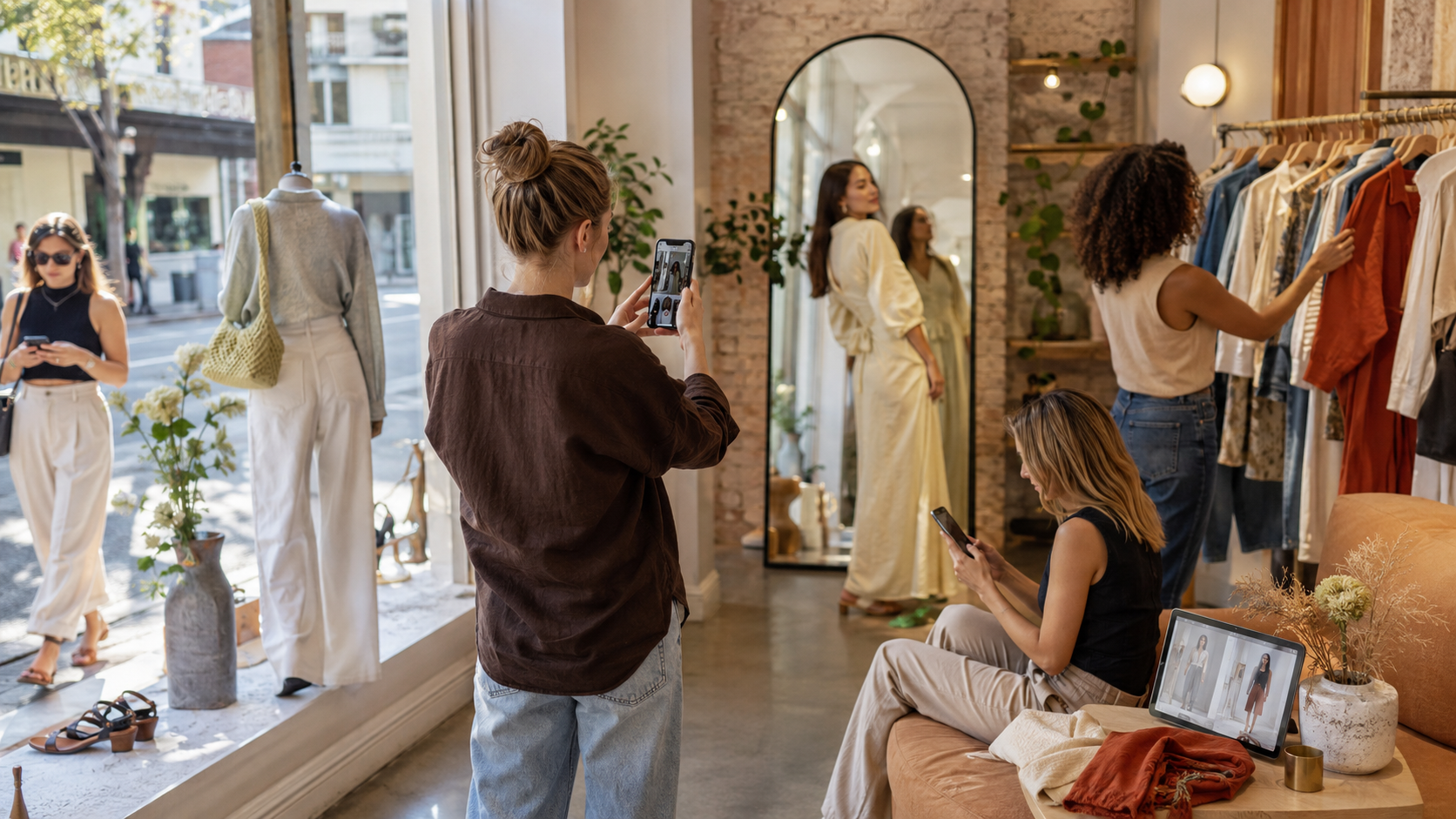
Australian parents are also discovering new brands through Instagram Reels, TikTok “what my kid wears in a week” videos, and curated subscription boxes. Influencer mums who showcase real-life wear and tear—not just styled flat-lays—drive significant traffic to smaller, purpose-driven labels. This digital shift has democratised the industry, allowing start-ups like Wandering Folk’s mini collection and Kip&Co Kids to compete with legacy players without enormous advertising budgets.
The children’s fashion market in Australia in 2026 is therefore not just about keeping up with hemlines. It is a reflection of deep parental values: responsibility, practicality, and a desire to dress children in clothing that tells a better story. As local brands continue to innovate and parents vote with their wallets, the category will keep evolving toward a more thoughtful, resilient future.