The narrative around Australian fashion often centres on Sydney and Melbourne, but in 2026 some of the most interesting independent boutique activity is happening in regional areas. Boutiques in Byron Bay, Fremantle, Bendigo, and the Sunshine Coast are using local identity, tourism traffic, and direct designer relationships to build retail experiences that capital cities cannot easily replicate.
A Different Retail Environment
Regional boutiques operate with lower overheads than many city stores, but they face the challenge of smaller local populations. Successful operators overcome this by targeting two overlapping customer groups: local residents seeking quality wardrobe staples and visitors looking for a memorable fashion purchase. Afterpay Australian Fashion Week’s Next Gen program has increasingly highlighted designers from regional Australia, signalling that geography is no longer a barrier to industry recognition. The full program details are available at https://aafw.com.au/.
Local Craftsmanship as a Selling Point
In regional areas, the distance between designer and boutique is often short. Many stores stock labels produced within a few hours’ drive, allowing owners to share precise details about materials, production methods, and the maker’s story. This hyper-local provenance resonates strongly with tourists who want a souvenir that reflects the region rather than a generic product. It also appeals to local shoppers who value supporting nearby employment and skills.
Tourism and Experiential Retail
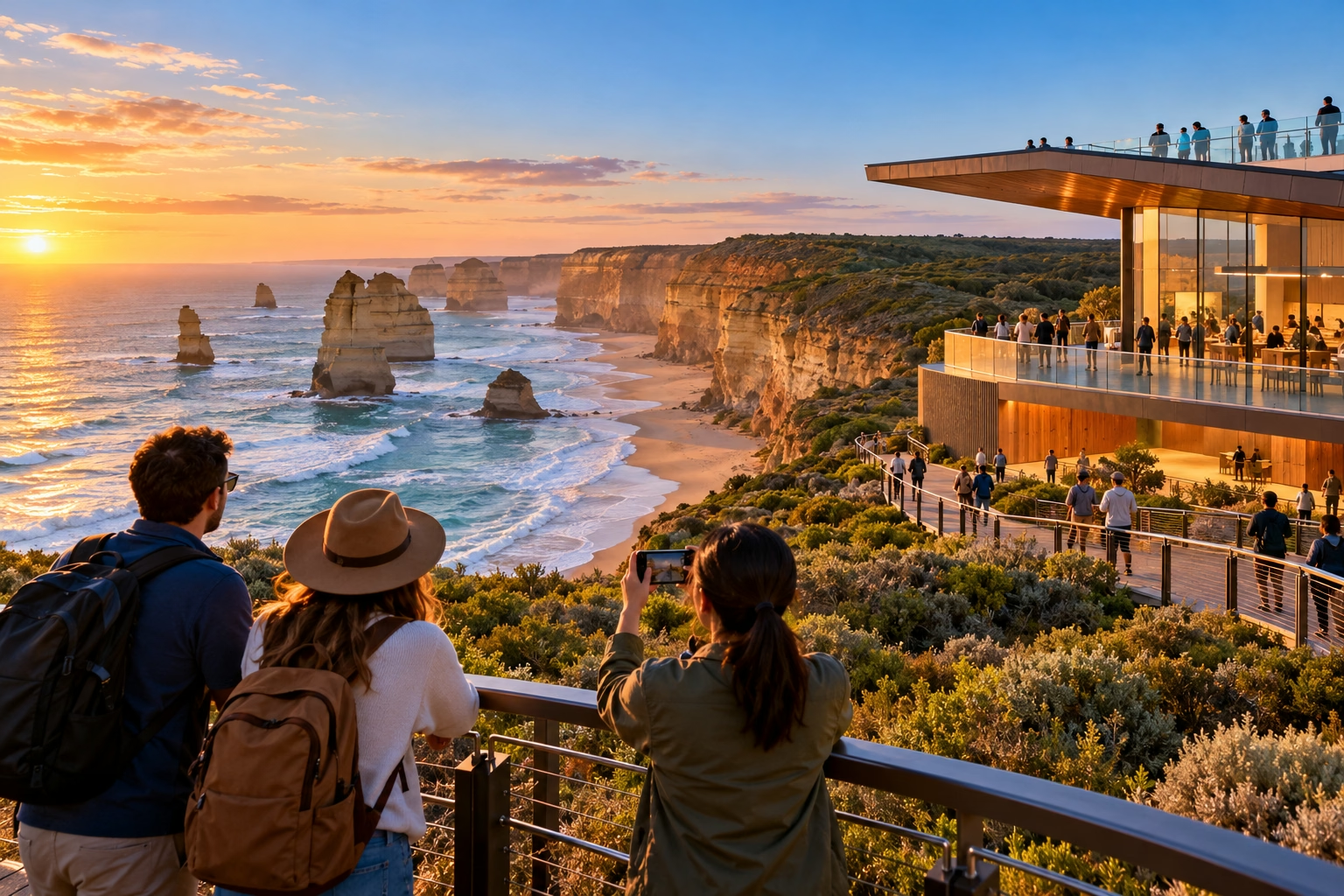
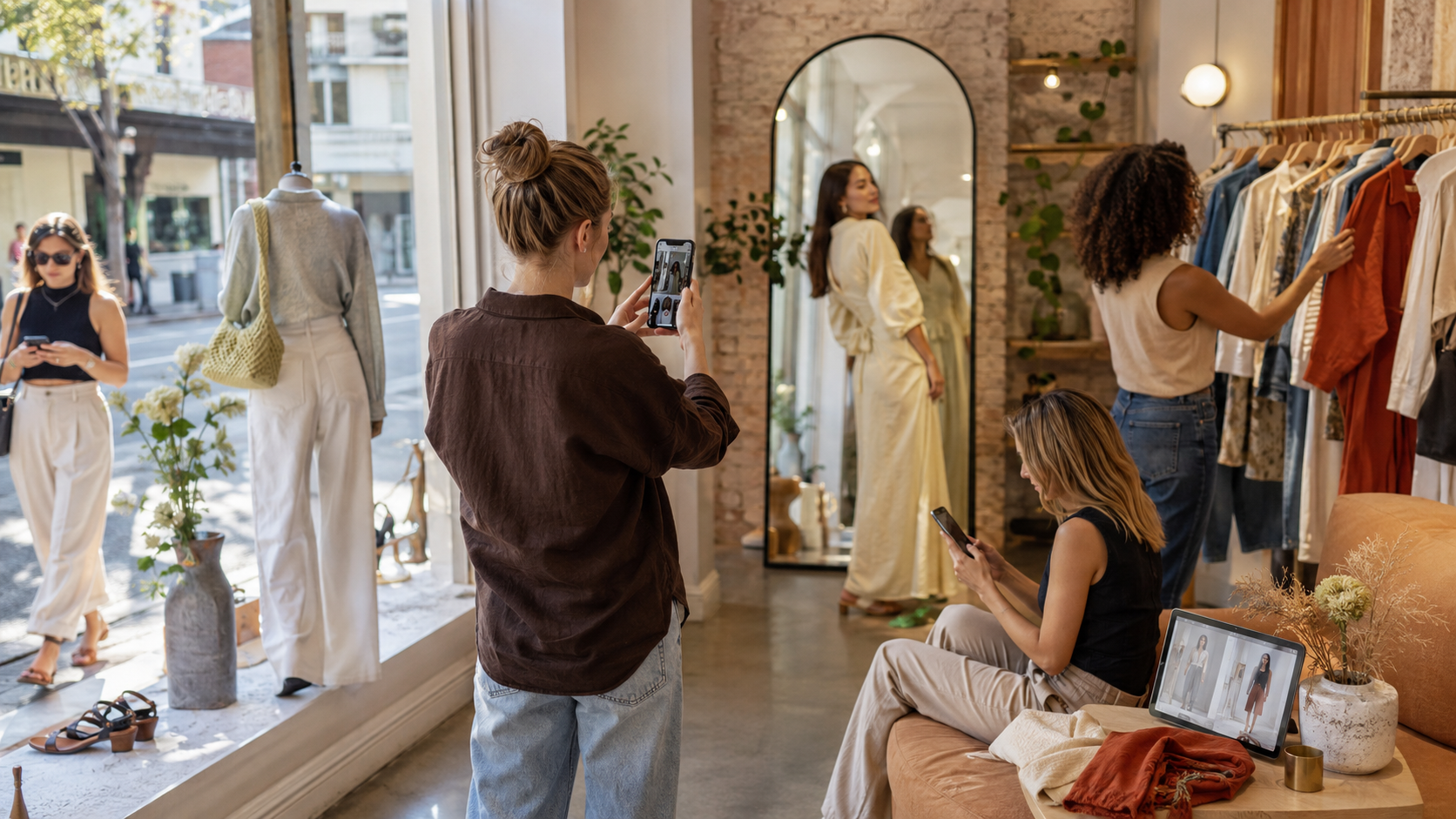
Regional boutiques are increasingly designing their stores as destinations. A Byron Bay boutique might host a morning styling session followed by a local coffee tasting, while a Fremantle store could offer custom fittings with a designer who works upstairs. These experiences give visitors a reason to linger and spend, and they encourage social sharing that extends the store’s reach far beyond its physical location.
Digital Reach from Regional Locations
Google Discover has become a vital tool for regional boutiques because it allows them to reach potential customers before they arrive in town. A traveller planning a trip to the Sunshine Coast may see a feature about a local designer boutique in their Discover feed, then add the store to their itinerary. By publishing locally relevant content—such as “what to wear in Byron Bay in autumn 2026” or “five Fremantle designers to know”—boutiques capture high-intent visitors and improve their search visibility.
Inventory and Community Engagement
Regional boutiques tend to buy conservatively, favouring versatile pieces that work across seasons and occasions. This discipline keeps cash flow stable and reduces markdowns. Community engagement is equally important: many stores support local markets, sponsor arts events, or collaborate with nearby cafes and galleries. These partnerships reinforce the boutique’s role as a community hub, which in turn drives word-of-mouth and repeat visits.
The Future of Regional Independent Fashion
As remote work continues to encourage Australians to spend time outside major cities, regional boutiques are well placed to grow. Their ability to offer authentic local design, personalised service, and a strong sense of place gives them a durable advantage. The most forward-looking regional operators are investing in digital content and tourism partnerships, ensuring they remain visible to both locals and visitors throughout 2026.