


Digital Prototyping and Virtual Sampling
In a Carlton studio, a designer sits at a bank of screens, draping a virtual dress over a 3D avatar that mirrors the exact properties of organic merino jersey. Every seam, tension and fall is simulated in real time, eliminating the need for physical samples. The Australian Fashion Council’s FashTech Lab, launched in 2025, has trained over 400 local designers in CLO and Browzwear software, triggering a 60 per cent reduction in sample fabric waste across participating brands. Buyers now sign off on collections via a digital showroom, dramatically shortening the product development calendar. AFC FashTech Lab
AI‑Powered Trend Forecasting and On‑Demand Manufacturing
Sydney tech firm Stylum Intelligence has built a machine‑learning platform that ingests runway shows, street style images and social media chatter to predict colour, silhouette and fabric trends 12 months ahead. Brands using the tool have reduced overstock by an average of 28 per cent because they manufacture closer to confirmed demand. When a trend alert flashes, a local micro‑factory with on‑demand digital printers and automated cutting tables can turn a design into finished garments within 72 hours, bypassing six‑month lead times. This model not only slashes deadstock but also allows hyper‑responsive “see‑now‑buy‑now” drops that resonate with digital‑native consumers.
Seamless Knitwear and Robotic Assembly Lines
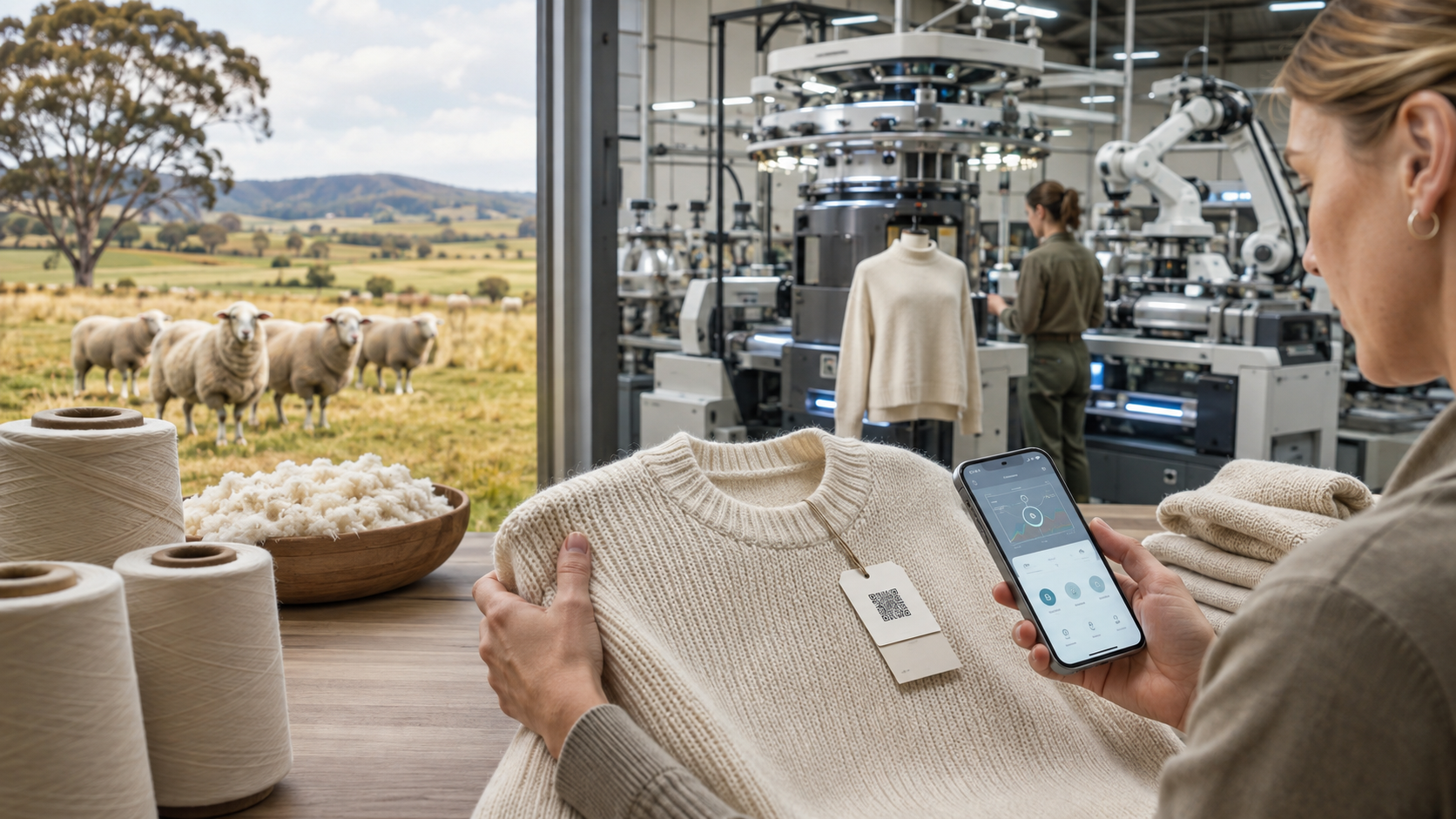
Whole‑garment knitting machines, run by algorithms that translate 3D body scans into custom‑fit patterns, are popping up in industrial parks from Adelaide to the Sunshine Coast. These robots knit garments in one piece without seams, reducing labour and fabric waste to near zero. A social enterprise in Geelong is using the technology to produce inclusive, sensory‑friendly clothing for neurodivergent children, merging automation with a deeply human purpose. The integration of artificial intelligence, digital twins and advanced knitting hardware is not just making Australian textiles more efficient—it is creating a new category of agile, low‑waste manufacturing that can compete globally.