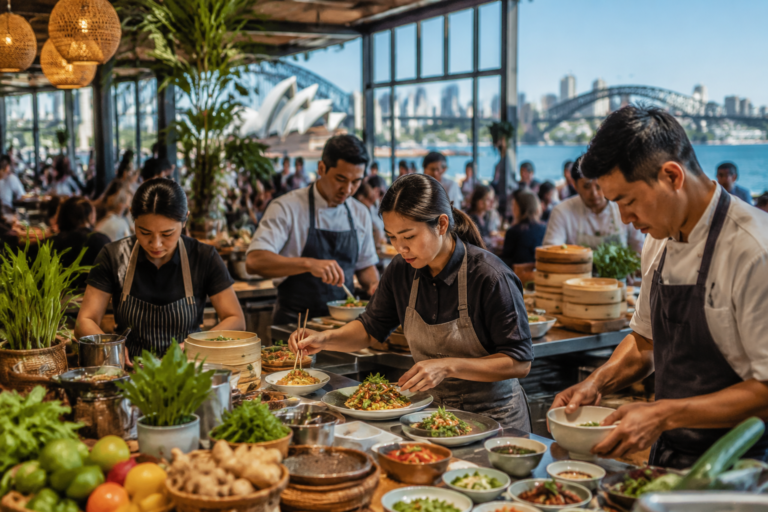









Sydney’s reputation as a major food city comes from more than its restaurant count or scenic dining locations. Its true strength lies in the way food operates as a cultural language across the city. Culinary life in Sydney is shaped by neighborhood identities, migrant histories, premium local produce, and a restaurant industry that is willing to take creative risks. These factors have produced a dining environment that feels inclusive, sophisticated, and always in motion.
One of the defining features of Sydney’s food culture is its connection to migration. The city has long welcomed people from many regions of the world, and those communities have left a permanent mark on the local table. Their influence can be seen in everyday habits as much as in special occasions. Family-run restaurants, bakeries, grocers, and takeaway shops often act as cultural anchors, preserving flavors and methods that might otherwise be lost outside their country of origin. At the same time, these businesses introduce the wider public to new ingredients and styles of eating, gradually expanding the city’s collective palate.
Because of this history, Sydney is often experienced through its food districts. Different neighborhoods are associated with different culinary traditions, and these local identities enrich the city as a whole. Some areas are celebrated for Asian cuisines, others for Mediterranean influences, artisanal café culture, contemporary bistros, or vibrant street food. This geographical variety means food exploration in Sydney is closely linked to urban exploration. To move across the city is to encounter shifts in taste, atmosphere, and culinary storytelling.
Sydney also benefits from exceptional access to ingredients. The nearby coast supports a strong seafood culture, while agricultural regions in New South Wales provide reliable supplies of fresh produce, meat, and dairy. This accessibility shapes the standards of the city’s kitchens. Diners expect brightness, freshness, and seasonal relevance, and many chefs respond by creating menus that change regularly. Rather than relying only on complex techniques, many of Sydney’s best kitchens focus on precision and ingredient integrity. The quality of a tomato, the freshness of a fish fillet, or the fragrance of herbs can define the entire meal.
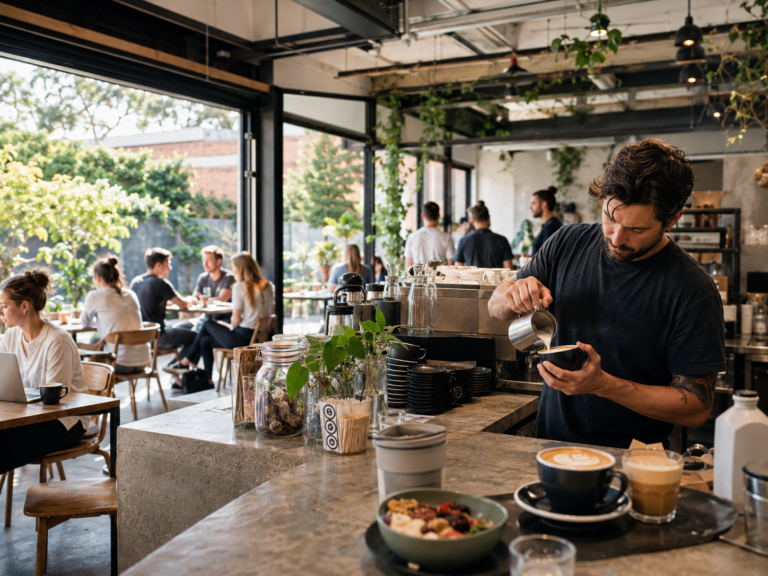
The city’s café and brunch scene deserves recognition as a serious culinary force. In Sydney, informal dining often receives the same attention to detail as more formal meals. Skilled baristas, specialty roasting, house-baked pastries, fermented breads, and polished service are common features of neighborhood cafés. Brunch, in particular, has developed into a creative platform where chefs experiment with textures, colors, and international influences while keeping the overall experience relaxed and approachable.
Innovation is another reason Sydney stands out. The city’s chefs frequently work across culinary boundaries, drawing inspiration from different traditions and translating them into something contemporary. Importantly, the strongest examples of this creativity are not random mixtures of cuisines. They are thoughtful reinterpretations built on technique, respect, and context. Native Australian ingredients have become especially important in this process. Elements such as finger lime, wattleseed, bush tomato, and lemon myrtle allow chefs to ground modern dishes in local identity while still engaging with global culinary ideas.
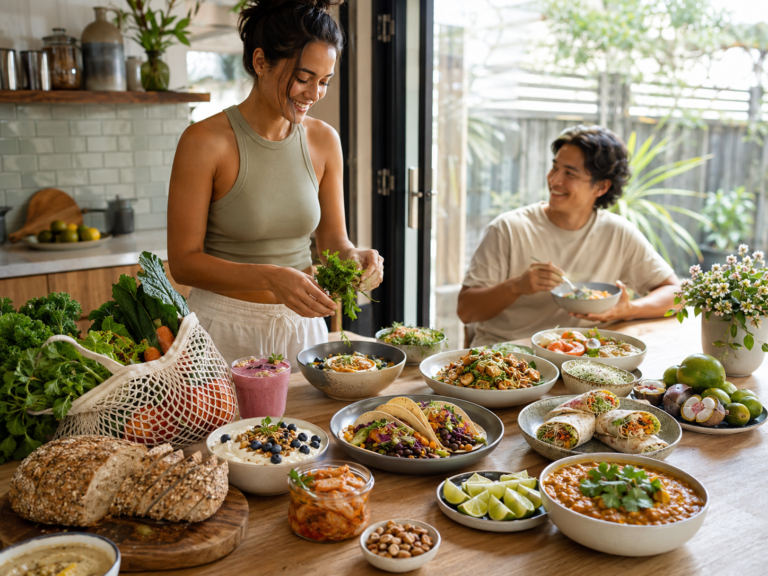
Sustainability is increasingly central to Sydney’s culinary future. Restaurants and consumers alike are paying more attention to food miles, ethical seafood, waste reduction, and plant-based dining. Markets that support smaller producers and menus that highlight responsible sourcing are becoming more common. This shows that innovation in Sydney is not limited to flavor combinations or visual presentation; it also includes new ways of thinking about food systems.
Sydney’s culinary life remains compelling because it brings together everyday comfort and high-level creativity. It values cultural memory while encouraging experimentation. It gives diners access to both authenticity and reinvention. As a result, the city continues to grow not just as a place to eat well, but as a place where food reflects the complexity and imagination of modern urban life.