

Australia Is Building a More Competitive Games Economy
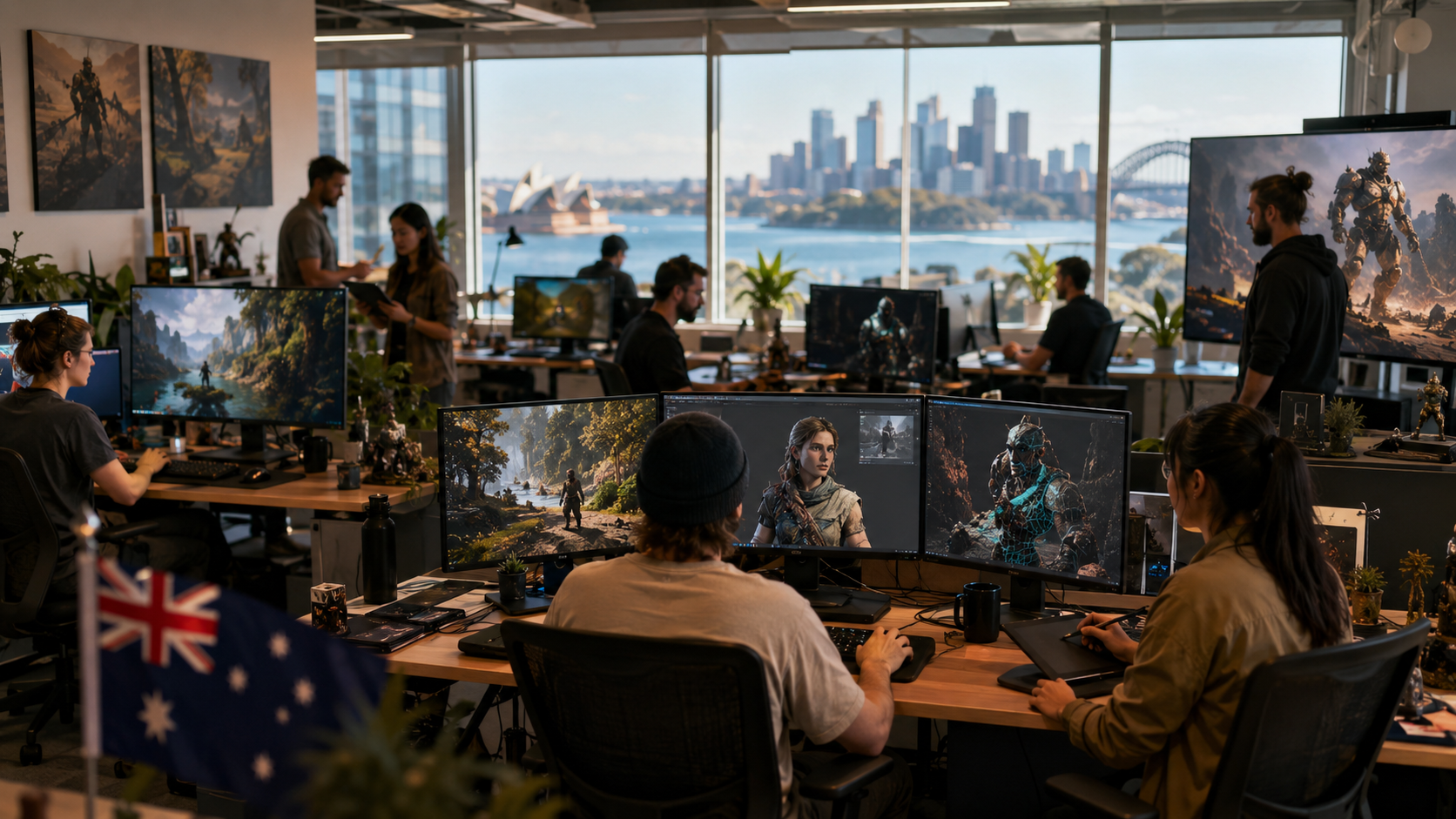
Australia’s video game industry has moved far beyond its earlier reputation as a small market dominated by overseas publishers. By 2026, the sector is better understood as part of a wider entertainment economy that combines software development, visual art, music, storytelling, online communities and intellectual property.
One of the strongest forces behind this shift is government policy. Australia’s federal Digital Games Tax Offset, introduced for eligible expenditure from July 1, 2022, provides a 30 percent refundable tax offset to qualifying game developers that meet the expenditure threshold and other requirements.
The official Australian Taxation Office information is available at:
The importance of this measure extends beyond tax savings. Large international companies often compare production costs, talent availability and incentives before deciding where to establish teams. A nationally available offset makes Australia more competitive against established development centres in Canada, the United Kingdom and parts of Europe.
Independent Success Has Changed Australia’s Global Image
Local Games Can Become International Entertainment Brands
Australian developers have already demonstrated that smaller teams can build products with worldwide cultural influence.
Melbourne-based Massive Monster created Cult of the Lamb, a game that combined action mechanics, management systems and an instantly recognisable visual identity. Witch Beam’s Unpacking showed how an Australian project could reach global audiences through quiet environmental storytelling rather than blockbuster spectacle.
These titles matter because the modern entertainment business is driven by intellectual property. A successful game can support merchandise, music, streaming content, fan art, social media communities and potential adaptations.
This changes how the sector is viewed. Australian studios are no longer simply service providers that complete technical work for international companies. The strongest developers can become owners of globally recognised entertainment brands.
Gaming Is Influencing Other Forms of Entertainment
The impact of the industry is increasingly visible outside conventional game development.
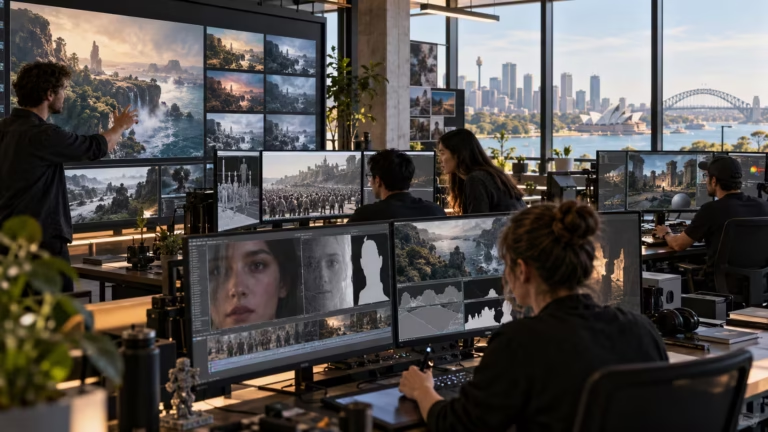
Artists who learn 3D modelling for games can work in animation and virtual production. Composers can move between interactive soundtracks, film and advertising. Game engines are used to create real-time environments for screen productions, live events and immersive media.
The relationship also works in the opposite direction. Video games increasingly compete with streaming services, social platforms and television for audience attention. As a result, entertainment companies must think more carefully about participation rather than passive viewing.
Games offer something film and traditional television cannot easily reproduce: the audience can influence what happens.
Jobs and Skills Remain a Critical Test
Australia’s opportunity in 2026 is significant, but expansion depends on specialist talent.
Studios need experienced programmers, technical artists, producers, animators, writers and designers. Graduates may have strong portfolios but still require production experience before they can take senior roles.
This creates a strategic challenge. Tax incentives can attract investment, but long-term growth requires deeper career pathways, stable studios and opportunities for workers to build experience across multiple projects.
Industry volatility also remains a concern. Global game development has faced project cancellations, rising production costs and workforce reductions. Australian companies operate inside the same international market and are not protected from these pressures.
The strongest path forward is therefore not growth at any cost. Australia’s advantage lies in building sustainable studios, original intellectual property and specialised talent.
By 2026, video games are increasingly central to how Australia creates, exports and experiences entertainment. The sector’s influence now reaches investment, employment, music, screen production and digital culture, making it one of the country’s most important emerging creative industries.