Sydney’s Fashion Identity Is Bigger Than the Runway
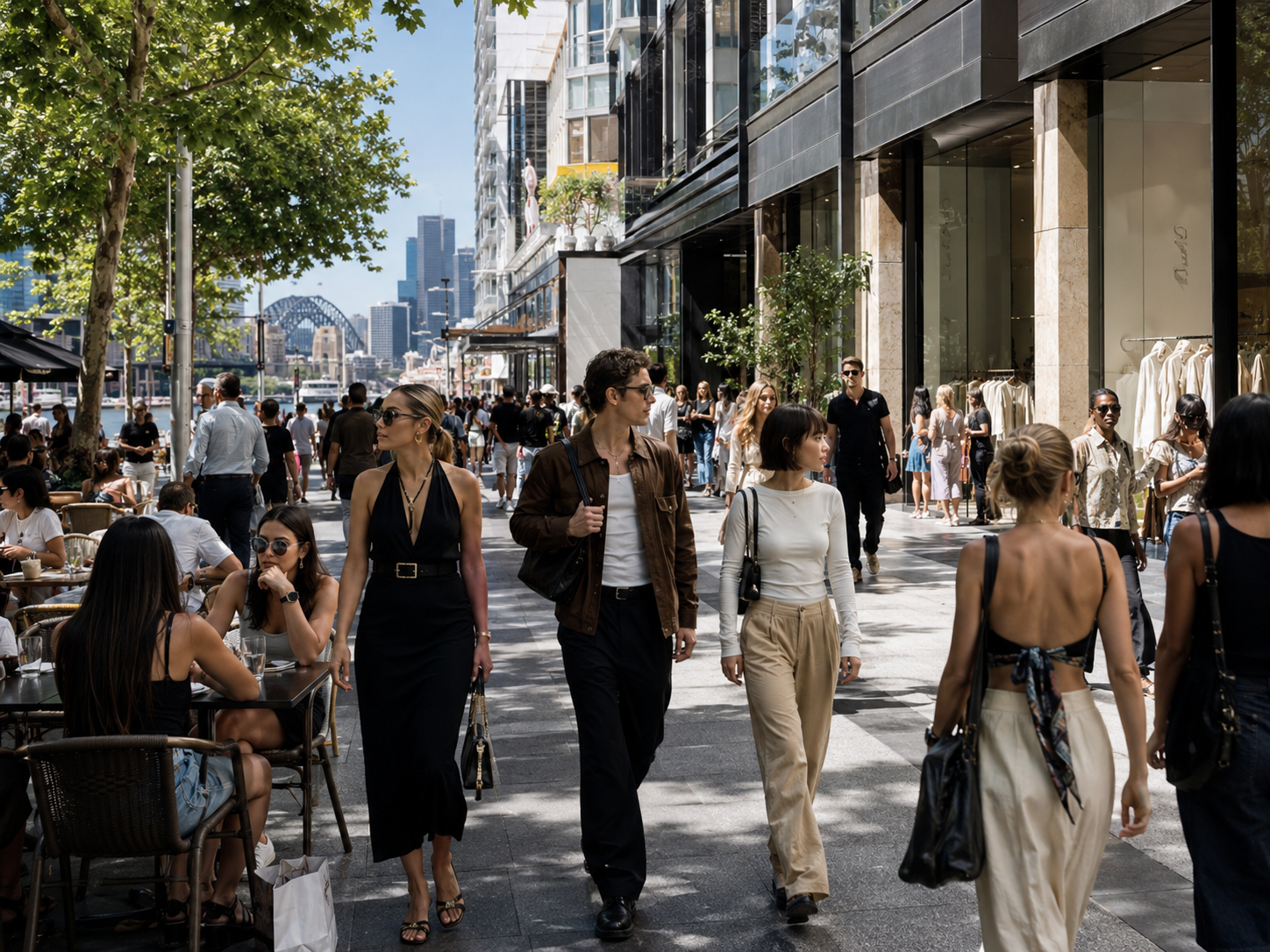
Sydney’s fashion influence in 2026 is best understood through the city itself. The harbour, coastal climate, multicultural population and dense network of creative neighbourhoods have produced a style that is polished without appearing overly formal.
Unlike fashion capitals built around a single dominant aesthetic, Sydney moves between several identities. Tailored workwear appears beside relaxed coastal clothing. Independent Australian labels operate near international luxury stores, while vintage boutiques and resale platforms are becoming increasingly relevant to younger consumers.
This variety has turned fashion into part of Sydney’s wider urban lifestyle rather than an industry separated from everyday life.
The Australian Fashion Council, an industry body supporting the national fashion and textile sector, provides useful context on the broader ecosystem surrounding designers, manufacturers and fashion businesses. Its industry resources can be explored at Australian Fashion Council.
From the CBD to Paddington: Fashion Changes by Neighbourhood
The CBD and Luxury Retail
Sydney’s central business district remains an important destination for premium shopping. International fashion houses, department stores and Australian luxury labels attract office workers, visitors and high-spending consumers.
The city centre also reflects changing urban habits. Fashion is increasingly connected with dining, hospitality, beauty and entertainment. A shopping trip is no longer only about purchasing clothing; it is part of a wider city experience.
Paddington and the Independent Designer Culture
Paddington offers another side of Sydney fashion. Its historic streets, boutiques and proximity to creative communities have made it strongly associated with independent design and carefully curated retail.
The area appeals to shoppers looking for pieces that feel more individual than mass-market products. Australian labels, small studios and premium lifestyle businesses contribute to a fashion culture built around discovery.
Surry Hills and Newtown Bring Street-Level Energy
Surry Hills and Newtown show how fashion develops outside traditional luxury spaces.
Here, personal style often combines vintage clothing, independent labels, sneakers, workwear, music influences and experimental accessories. The result is an urban aesthetic shaped by subcultures rather than formal seasonal trends.
Sustainability Is Reshaping What Sydney Shoppers Value
One of the most important forces influencing Sydney fashion is the growing interest in product longevity.
Consumers are paying greater attention to fabric quality, production methods, repair, resale and the practical life of a garment. This does not mean fast fashion has disappeared. Instead, the market is becoming more complex.
A shopper may buy an investment jacket from an Australian designer, combine it with a second-hand item and complete the look with an affordable mainstream product.
This mixed approach is particularly visible in a city where sustainability, cost of living and personal identity increasingly influence purchasing decisions.
The Real 2026 Opportunity: Fashion as an Urban Ecosystem
Sydney’s greatest fashion advantage may not be its ability to copy Paris, Milan, London or New York. Its strength lies in combining design with climate, hospitality, travel, music and outdoor living.
For brands, this creates an opportunity to present fashion through real urban experiences. A collection can be connected to a neighbourhood, restaurant, beach, gallery or cultural event. For consumers, style becomes part of the way they move through the city.
That relationship between clothing and place is what gives Sydney fashion its strongest identity in 2026. The city is becoming more influential not by following one global formula, but by turning its diverse urban lifestyle into a distinctive fashion language.