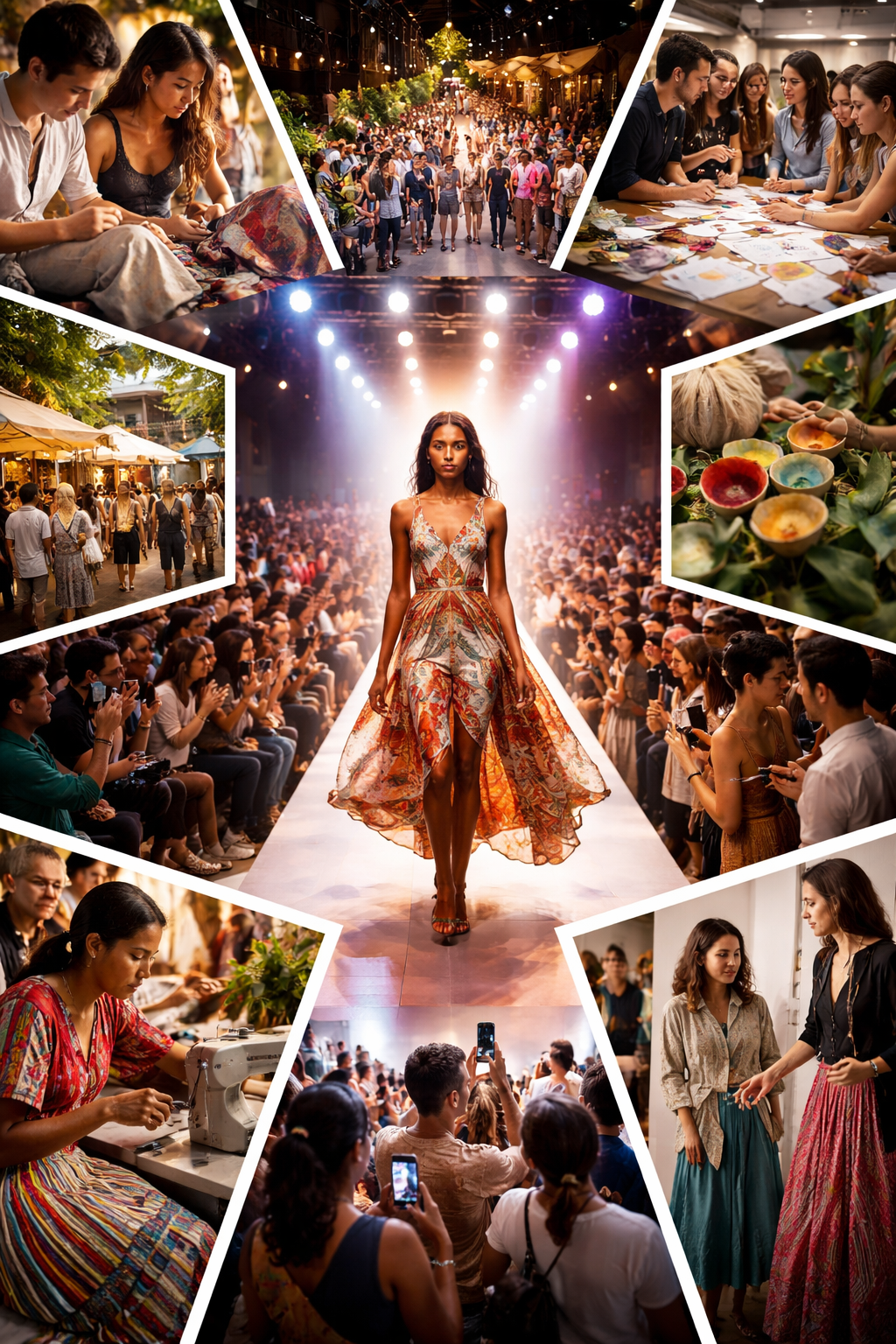
Australian fashion festivals have become essential engines for the local industry, especially for designers at the beginning of their careers. While the public often sees only the catwalk and celebrity front rows, these events are built around something more practical: creating pathways for new labels to gain credibility, form partnerships, and understand what it takes to operate in fashion as both art and business.
Large runway programs, particularly in Sydney, offer emerging designers access to an audience that is difficult to gather elsewhere. Buyers may attend to find fresh lines for boutiques, editors search for new stories, and stylists look for standout pieces that photograph well. A new designer who delivers a distinctive collection—one that shows strong construction, coherent styling, and a clear brand identity—can quickly attract attention. Many festivals support this discovery process through curated “newcomer” segments, shared runways, or mentoring initiatives designed to reduce the cost barriers of staging a professional show.
In Melbourne, festival culture often expands into the city itself. Retail partnerships, pop-up spaces, and public programs can generate direct engagement between designers and consumers. This matters because early-stage labels usually depend on multiple revenue streams: limited wholesale orders, online sales, commissions, and occasional collaborations. When festivals provide opportunities to sell as well as showcase, they help young designers remain financially viable while building their brand narrative.
Australia’s emerging designers are also reshaping the industry conversation through ethical and sustainable practices. Many start with small production runs and locally made garments, partly from principle and partly from practicality. Upcycling, deadstock sourcing, and made-to-order models are common among young labels trying to avoid waste and manage inventory risk. Festivals increasingly highlight these approaches through sustainability-focused showcases and panel discussions, which educate audiences and signal that responsible fashion can be innovative, not restrictive.
Cultural representation is another key element, with growing attention on First Nations designers and Indigenous-led fashion initiatives. When festivals provide respectful platforms—guided by cultural consultation and proper crediting—Indigenous designers can share work that is both contemporary and culturally grounded. This can influence the wider industry by encouraging more informed conversations about ownership, collaboration, and the difference between appreciation and appropriation.
The professional development that happens around festivals is often just as important as the shows. Designers learn how to prepare press kits, communicate with journalists, and create lookbooks that translate runway concepts into retail-ready stories. They also gain experience working with production teams, casting models, coordinating fittings, and managing tight deadlines. These operational skills are essential, and festivals act like real-world laboratories where young designers learn under pressure.
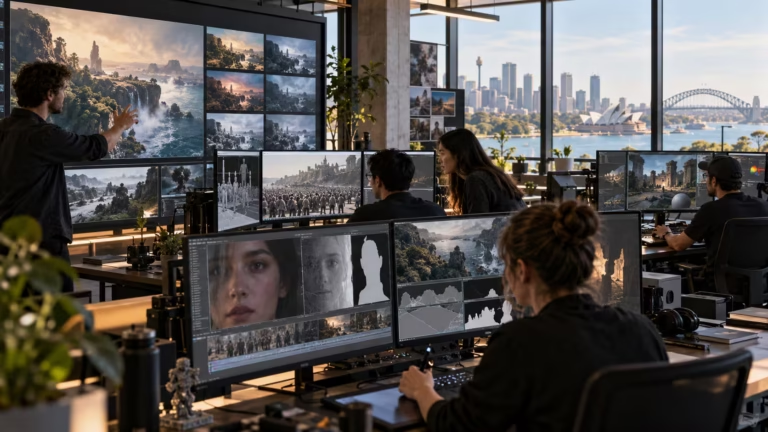
Another reason festivals are crucial is their ability to connect designers with the broader creative sector—music, visual art, film, and digital creators. Collaborations formed during festival season can lead to campaigns, editorial features, or branded projects that expand a designer’s reach beyond traditional fashion circles. This cross-industry networking aligns well with how younger audiences consume style today: through multimedia storytelling rather than traditional magazine authority alone.
As fashion becomes increasingly digital, festivals have adapted by prioritizing online visibility. Livestreams, backstage content, and social-first runway clips can propel a young label into global awareness without the massive budgets once required for international marketing.
In Australia, fashion festivals are not merely celebrations of style. They are career catalysts—helping young designers refine their craft, build professional networks, and transform creative ambition into lasting momentum.