


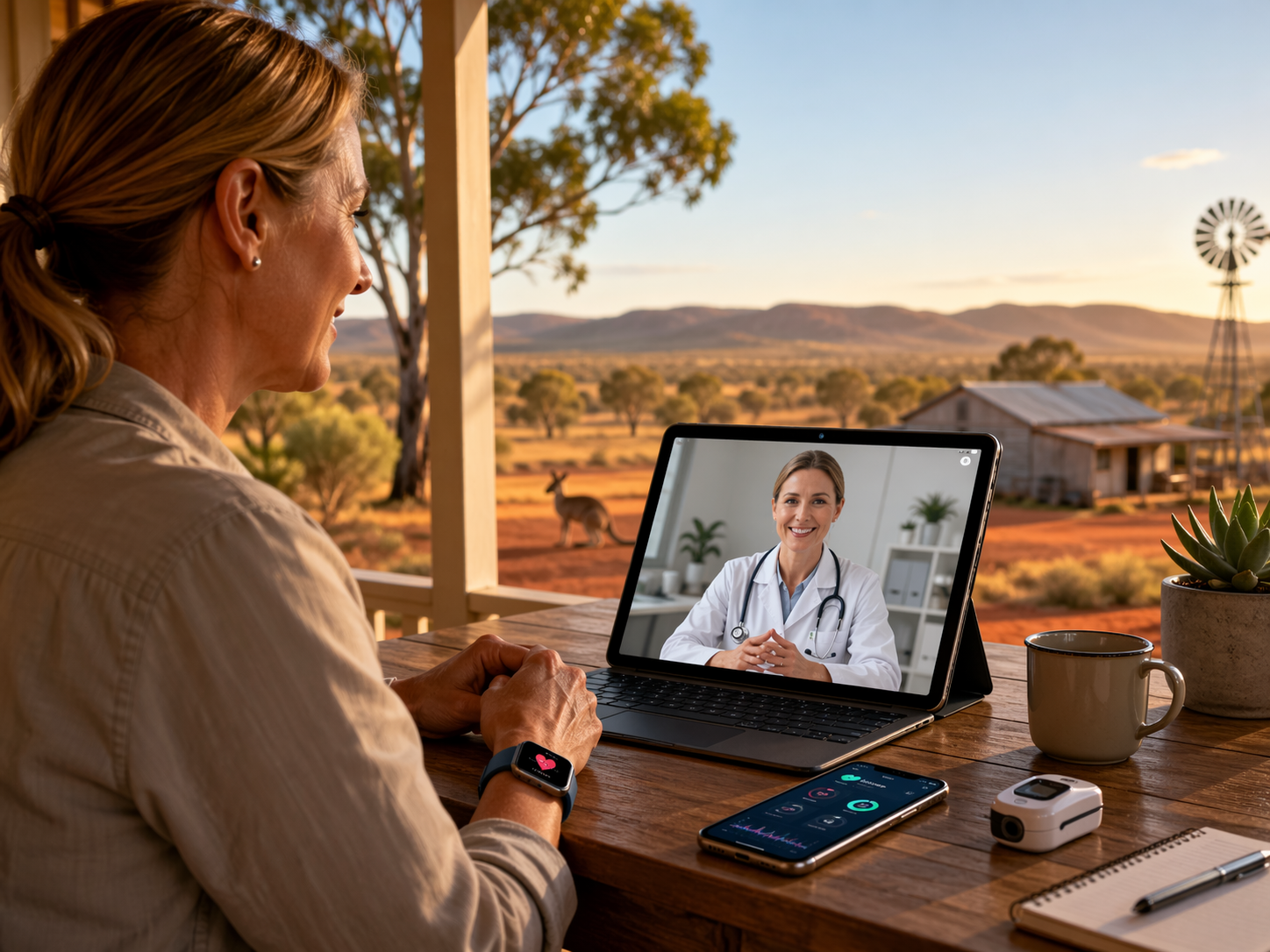
Telemedicine and remote healthcare services are transforming the way Australians access medical care, offering solutions that address long-standing barriers related to geography, mobility, and healthcare accessibility. With the rise of digital health technologies, Australia has seen a significant shift in how healthcare services are delivered, particularly for individuals in rural and remote areas where access to healthcare professionals is limited.
Telemedicine refers to the use of telecommunication technologies to provide medical consultations, diagnosis, and treatment from a distance. Through video calls, phone consultations, and even text-based communication, telemedicine allows patients to interact with doctors, specialists, and other healthcare providers remotely. This has been a game-changer for residents in remote regions, who can now access healthcare services without the need to travel to distant cities or towns.
One of the main advantages of telemedicine is its ability to overcome the geographic barriers that often restrict healthcare access in Australia. Rural and remote communities frequently experience shortages of healthcare providers, and residents may need to travel significant distances to receive care. Telemedicine eliminates the need for such travel, enabling patients to connect with doctors or specialists from the comfort of their homes. This is particularly beneficial for individuals with chronic conditions or those requiring regular check-ups, as it reduces the need for frequent trips to healthcare facilities.
Telemedicine also helps reduce the pressure on Australia’s public healthcare system. With an increasing demand for medical services, the ability to provide remote consultations helps ease the burden on hospitals and clinics, allowing them to focus on more urgent cases. Patients can receive timely care without overloading the healthcare system, contributing to better overall healthcare delivery.
The Australian government has supported the expansion of telemedicine through various initiatives, including the inclusion of telehealth services in the Medicare Benefits Schedule (MBS). This allows patients to claim Medicare rebates for telehealth consultations, making these services more affordable and accessible. During the COVID-19 pandemic, telemedicine became a crucial tool in maintaining healthcare access while reducing the risk of virus transmission. The government’s response to the pandemic included increasing the number of telehealth services available and expanding Medicare coverage for these services.
In addition to telemedicine, other digital health technologies have also gained traction in Australia. Remote monitoring devices and health apps allow healthcare providers to track patients’ conditions in real time. For instance, wearable devices that monitor heart rate, blood sugar levels, or oxygen saturation can send data directly to healthcare professionals, enabling proactive care and early intervention when necessary. These technologies enhance the ability to provide personalized care and ensure that patients receive the appropriate treatment based on real-time data.
Despite the many benefits, challenges remain in fully realizing the potential of telemedicine. Issues such as internet connectivity, particularly in rural and remote areas, and the need for digital literacy among patients and healthcare providers must be addressed. Ensuring equitable access to telehealth services for all Australians, regardless of location or socio-economic status, is essential to maximizing the impact of telemedicine on the healthcare system.
As telemedicine continues to evolve, it has the potential to integrate more advanced technologies such as artificial intelligence and machine learning to improve diagnostics and treatment outcomes. This would enable healthcare providers to offer even more efficient and effective care. The future of telemedicine in Australia looks promising, with ongoing innovations and government support paving the way for more accessible, convenient, and cost-effective healthcare services.