
The Policy Imperative
While resale platforms capture the headlines, the transition to a genuinely circular fashion economy requires deep structural changes that the market alone cannot deliver. In February 2025, the Australian Government took a significant step by enacting the Industry Research and Development (Additional Support for Clothing Textiles Circularity Grant Program) Instrument 2025 . This legislative instrument provides funding for an eligible organisation to implement voluntary, industry-led national product stewardship initiatives and pilot sustainability projects. The program’s scope is deliberately broad, covering all stages of the product lifecycle—from design to end-of-life recovery—with the explicit goal of increasing resource recovery from clothing textiles and reducing waste to landfill .
The Scale of the Challenge
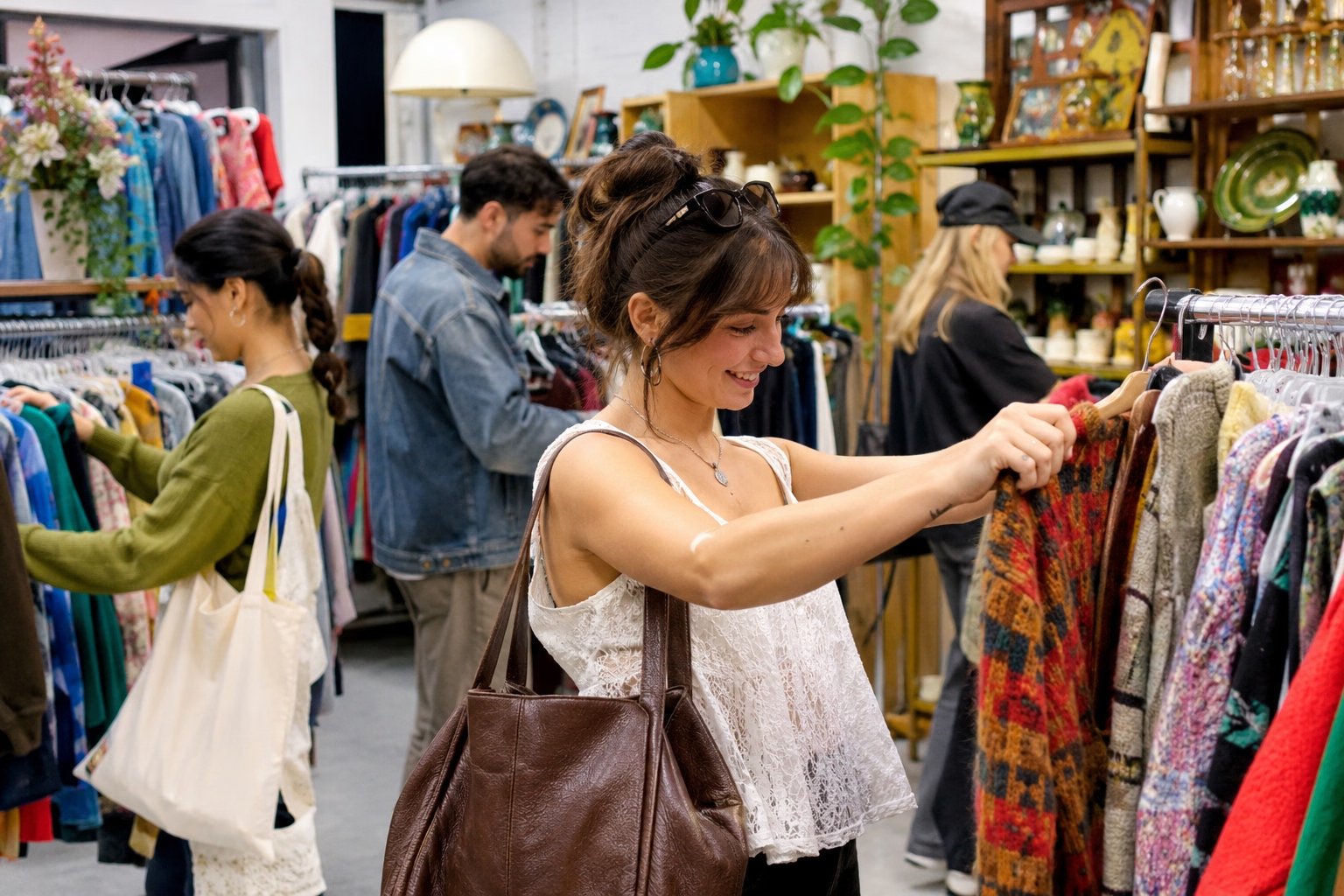
The urgency of these policy interventions is underscored by the sheer volume of textile waste generated in Australia. According to the clothing stewardship scheme Seamless Australia, over 220,000 tonnes of clothing were sent to landfill in 2024 . While this represented a marginal 1% decrease from the previous year, it remains a staggering figure for a country of Australia’s size. The federal government’s grant program is designed to address this by supporting supply chain collaborations that investigate and trial large-scale recovery and recycling programs . Crucially, the funding is directed toward a national approach, recognising that fragmented, state-by-state initiatives are insufficient to tackle a problem that spans the entire continent.
Building the Infrastructure for Circularity
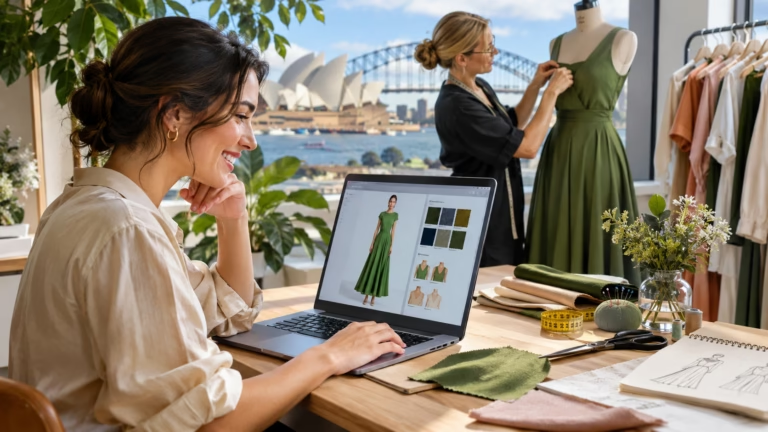
The policy framework is complemented by broader industry efforts to build the physical and digital infrastructure necessary for circular fashion. In 2025, eBay Australia and the Australian Fashion Council supported a cohort of circular-fashion businesses—including Shopfront, Hello Tailr, and HATCH—through the Circular Fashion Fund . These startups are developing solutions for resale, repair, and related services that connect directly to the consumer journey. Meanwhile, retailers are beginning to integrate resale into their core operations. THE ICONIC’s integration with AirRobe, for example, allows shoppers to retain purchase information and streamline future product listings, effectively embedding circularity into the initial transaction . These developments suggest that the future of fashion resale is not just about standalone platforms like Depop or Vinted, but about making resale a seamless, default option within the broader retail ecosystem.
The Consumer Trust Factor
Policy and infrastructure alone, however, are insufficient without consumer buy-in. Australia Post’s 2026 eCommerce Report found that 45% of shoppers say buying directly from a retailer or a dedicated recommerce platform helps address concerns around trust and quality . This insight reveals a critical opportunity for brands and platforms: by offering verified, authenticated resale options, they can capture a segment of the market that is interested in circularity but hesitant about the perceived risks of peer-to-peer transactions. As the government’s stewardship scheme matures and recycling infrastructure scales, the convergence of policy support, industry innovation, and consumer demand may finally begin to bend the curve on Australia’s textile waste problem.