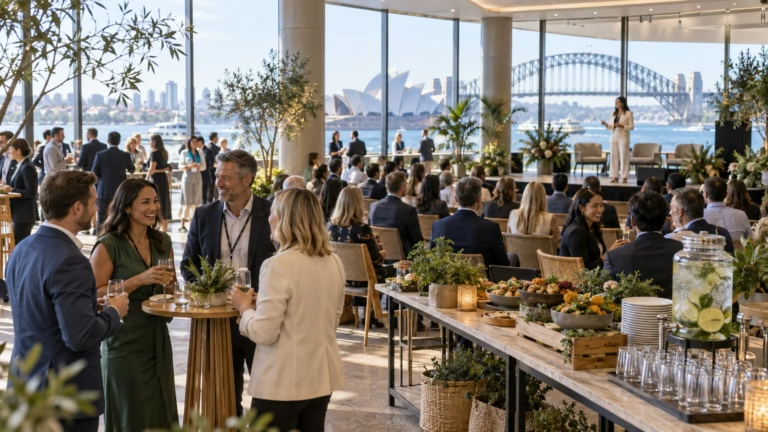


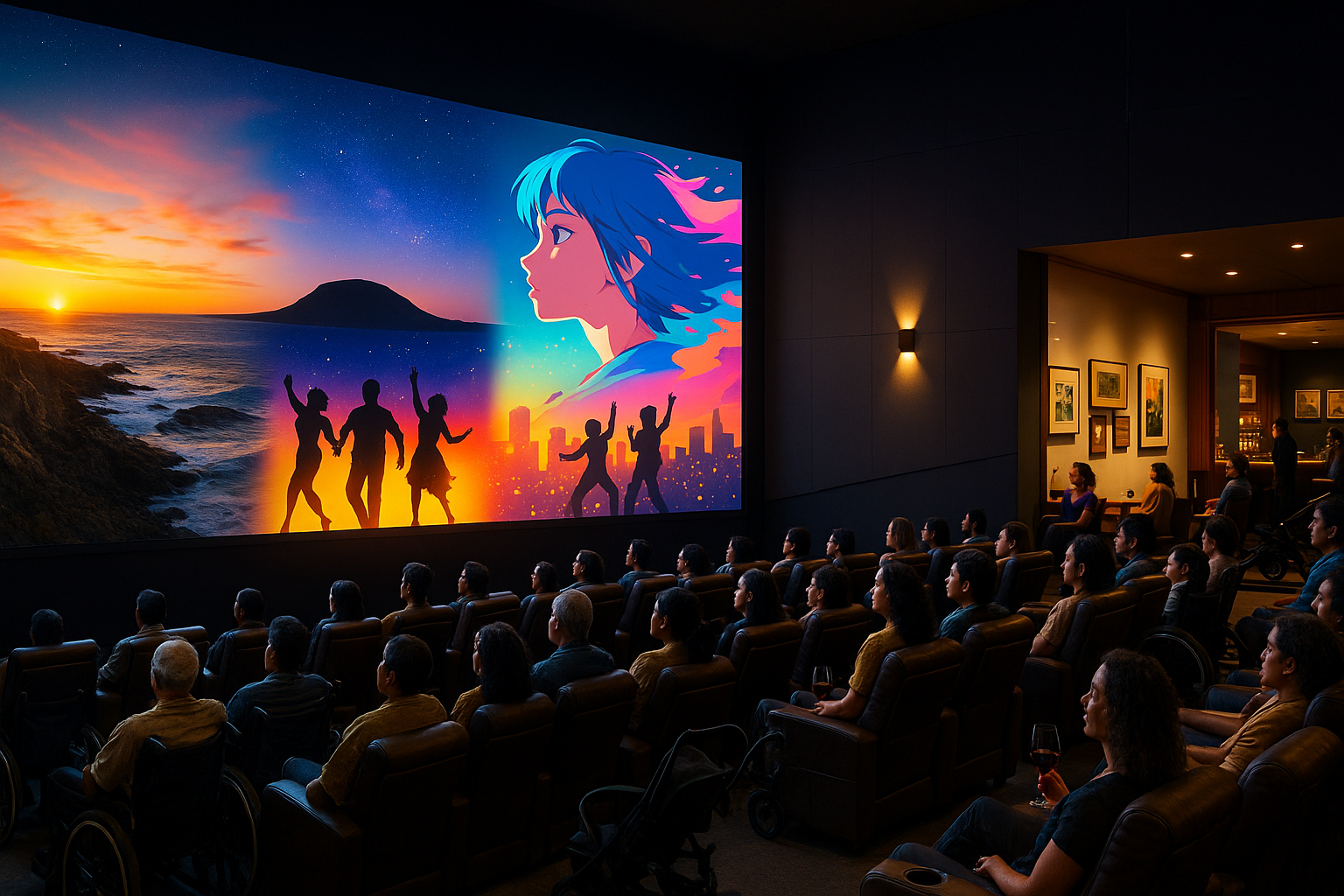
Australian audiences haven’t abandoned cinemas—they’ve upgraded their expectations. Plush seating, expanded menus, massive screens, and precise sound underpin a promise: the outing will beat the couch. IMAX and premium large formats are carefully matched to films that warrant it, from planetary documentaries to bombastic action, turning format into marketing narrative.
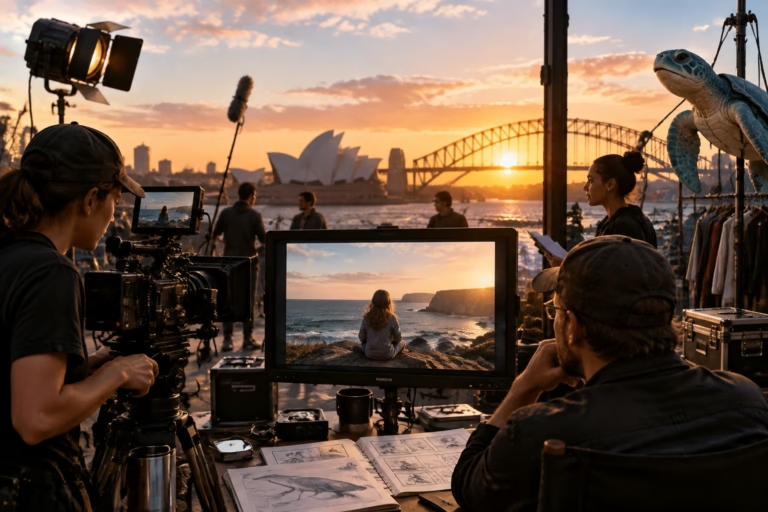
Homegrown films that resonate most are rooted: landscapes as character, regional towns as pressure cookers, and First Nations cinema as a locus of innovation and truth-telling. Public funding scaffolds development, but community engagement is what converts awareness into tickets. Festival endorsements function as trusted curation, sending strong titles into wider release with built-in advocates.
The import picture is vivid. Marvel-scale tentpoles bring the noise, while family animation ensures steady daytime traffic. But the past few years have normalized a broader internationalism: anime event releases spur sold-out marathons; Korean thrillers fill late shows; and Indian blockbusters generate celebratory, multi-generational crowds. Chinese-language features surge around holidays with carefully tailored subtitling and social media in community languages.
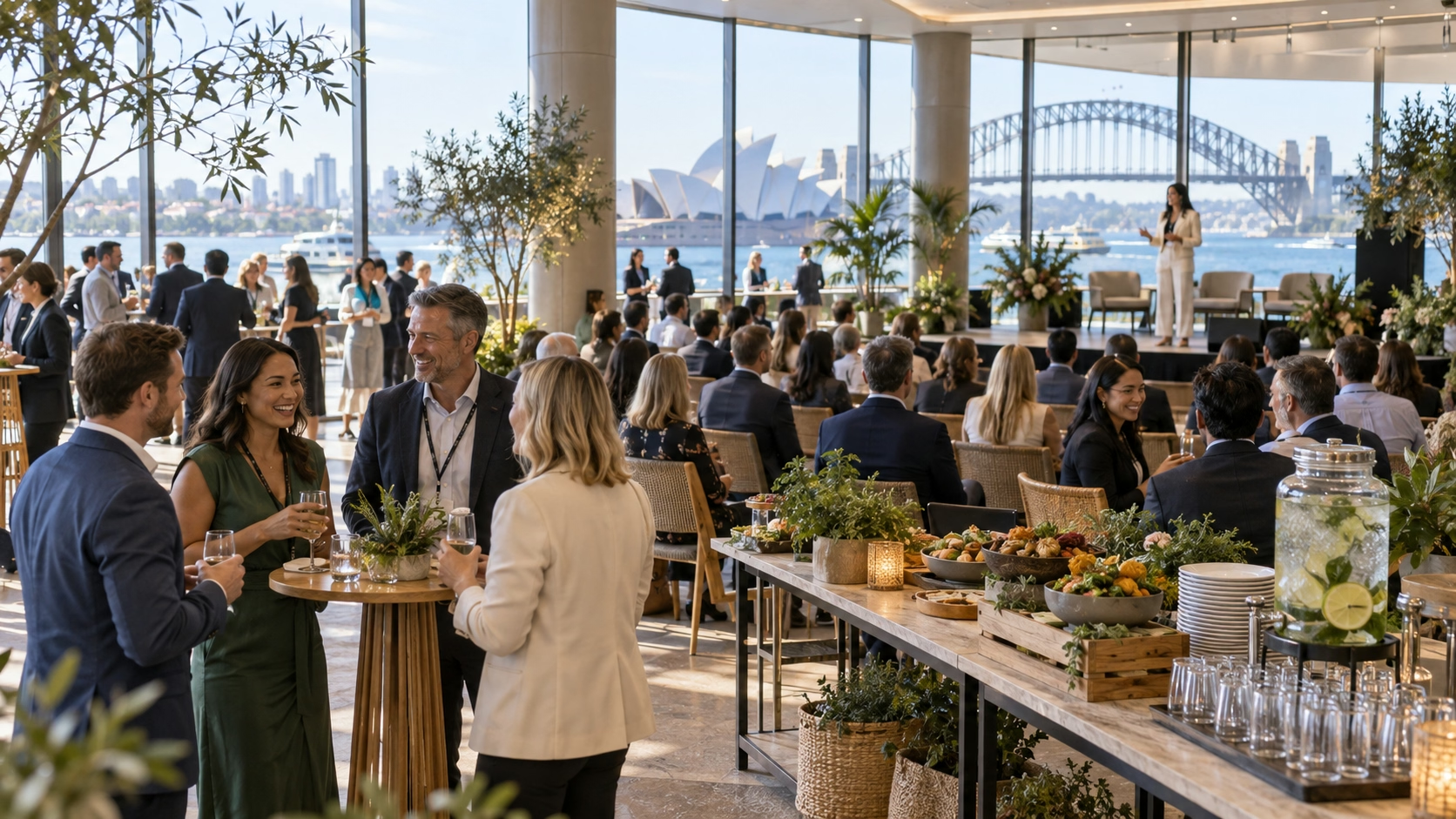
Release strategies are no longer ideological. Films that require scale open theatrically first; intimate dramas or niche docs sometimes opt for faster digital paths. Cinemas counter with eventization: music-tour films, theatre and ballet broadcasts, sports finals on the big screen, and festival takeovers. These programs reframe the venue as a cultural hub rather than a single-purpose pipeline.
Arthouse and boutique sites lead with taste. Palace, Dendy, and independents cultivate trust by programming seasons, director spotlights, and world cinema festivals. Hospitality touches—a glass of wine, a foyer exhibition—encourage lingering and conversation. Accessibility matters: open-caption sessions, relaxed screenings, and infant-friendly times carve out room for different needs without stigma.
Price signaling remains part of the playbook. “Cheap Tuesdays,” loyalty schemes, and limited-run bundles invite experimentation and repeat visits. In regional Australia, cinemas double as civic spaces, hosting school showcases and community fundraisers alongside the latest blockbuster. If a thesis has emerged, it’s this: when the experience is curated, comfortable, and culturally broad, Australians happily choose the big screen.