


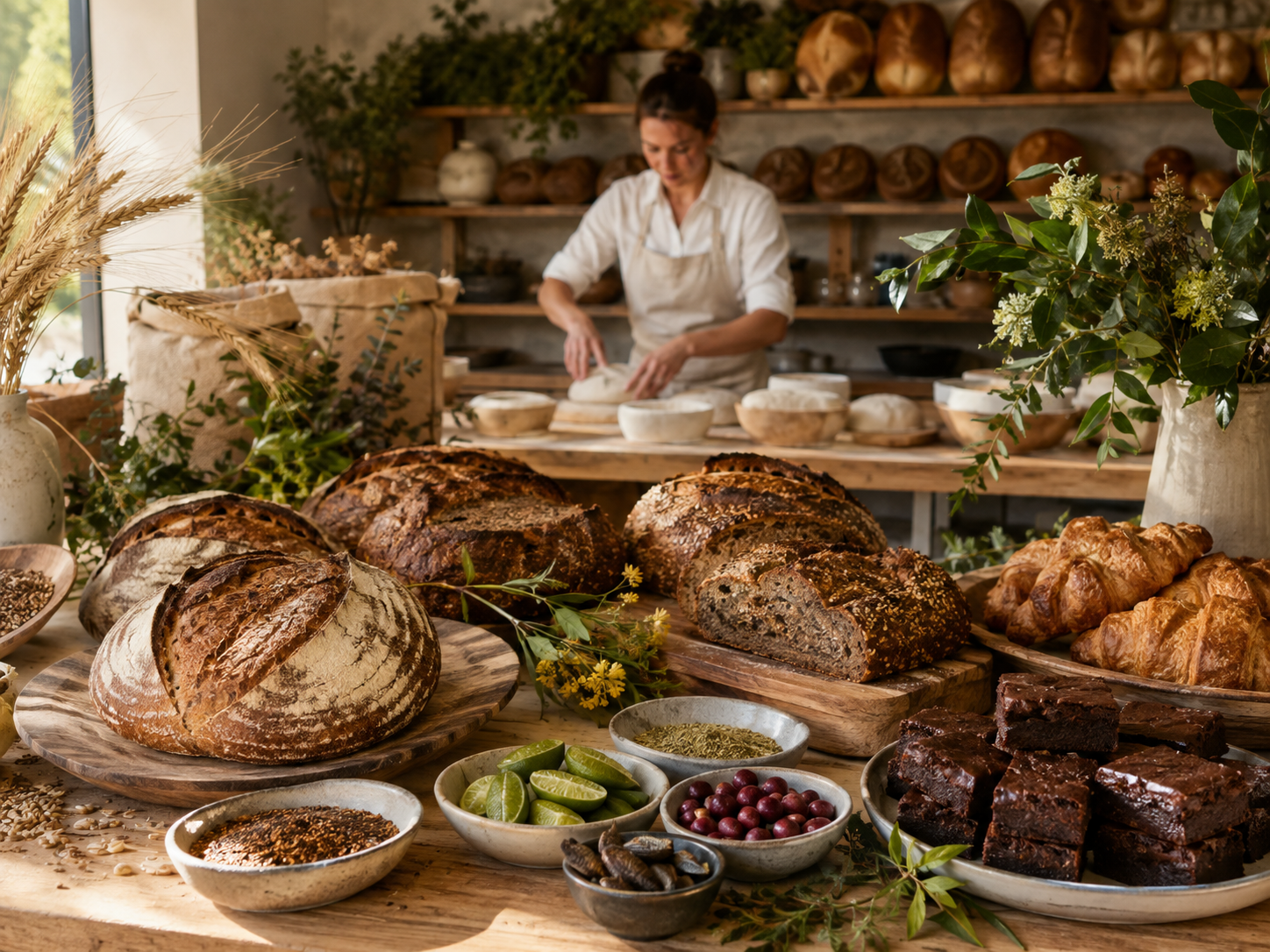
Behind every warm loaf and flaky croissant is a business model in transition. The Australian bakery sector is being reshaped by automation, e-commerce, and a new wave of suburban entrepreneurs who are using technology to compete with industrial giants. The result is a more diverse, more resilient, and increasingly digital baking economy.
Automation Reshaping the Bakehouse
Large commercial bakeries in Australia have adopted automated mixing, dividing, proofing, and baking systems to reduce labour costs and improve consistency. This technology has spread beyond factories into medium-sized wholesale bakeries, where automated deck ovens and robotic depositors handle repetitive tasks. At the same time, artisan bakeries are using smart ovens with programmable steam and temperature curves to replicate the work of experienced bakers. Automation does not necessarily mean industrial bread; it means a single baker can manage multiple batches with greater precision.
Ghost Bakeries and Direct-to-Consumer Models
The rise of delivery apps has given birth to the ghost bakery, a production-only kitchen with no shopfront. These businesses sell sourdough loaves, cinnamon scrolls, and custom celebration cakes through Instagram and local delivery platforms. Ghost bakeries reduce overhead costs and allow bakers to test new products without investing in a retail lease. In Melbourne and Sydney, many successful home-based bakers have transitioned to licensed ghost kitchens, serving hundreds of customers per week with minimal staff.
The Suburban Sourdough Entrepreneur
Suburban sourdough startups have become a defining feature of the post-pandemic baking economy. Using domestic ovens, stone mills, and community Facebook groups, home bakers turned hobbies into micro-businesses. Some have scaled up to weekly subscription boxes, offering a rotating menu of country loaves, rye, and seeded bread. These businesses often operate outside traditional retail hours, delivering bread to neighbours on Saturday mornings. They are supported by online courses, flour subscription services, and local council small-business programs.
2026 Industry Revenue and Employment Data
The economic data tells a story of steady growth and structural change. IBISWorld’s 2026 Bread Production in Australia report estimates annual industry revenue at around AUD 4.9 billion, with employment holding relatively stable as automation reduces manual roles but creates demand for skilled technical operators. You can find detailed figures at IBISWorld’s Bread Production page. Meanwhile, bakery product sales tracked by the Australian Bureau of Statistics continue to perform well within food retailing, supported by café and takeaway demand. The blend of technology and entrepreneurship is likely to keep the sector dynamic even as input costs for flour, energy, and labour remain volatile.
The baking economy is no longer defined solely by the corner shop. It now spans cloud kitchens, subscription boxes, and tech-enabled artisan studios, offering a more varied and accessible future for Australian bread and pastry.