
Persistent inflation and rising mortgage repayments might suggest a retreat to basic, no-frills grocery items, yet the frozen food industry in Australia is telling a different story. As households cut back on restaurant dining, they are trading into premium frozen meals that deliver restaurant-quality experiences at a fraction of the price. IBISWorld’s 2026 industry report indicates the frozen food manufacturing sector has expanded by 3.8% annually, with ready meals posting the strongest growth (IBISWorld Frozen Food Manufacturing).
The Rise of ‘Fakeaway’ and Restaurant-Replica Meals
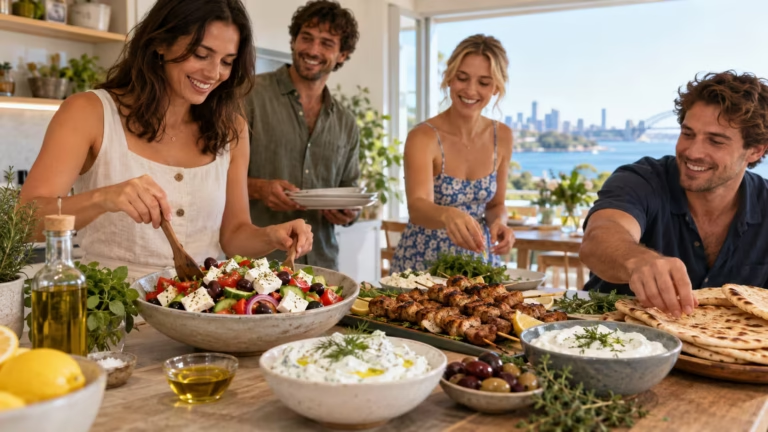
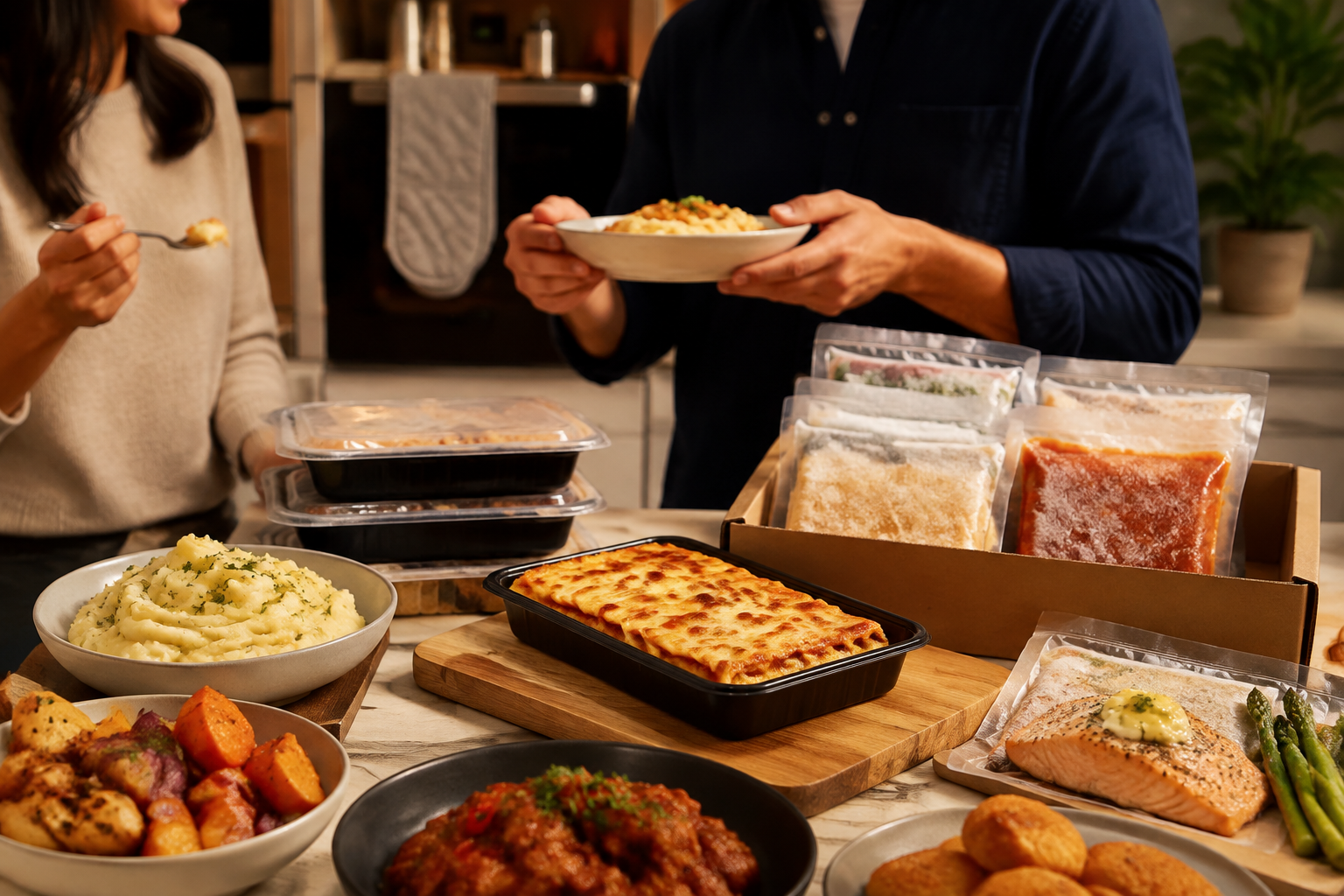
“Fakeaway” has entered the Australian lexicon, describing a ritual where families replicate takeaway experiences using elevated frozen products. This trend has sparked intense product innovation. In April 2026, Coles launched a “Bistro Collection” of frozen sides including truffle-infused mashed potato and duck-fat roasted vegetables, designed as accompaniments to a home-cooked steak. These products provide the sensory appeal of premium dining with a price point around $6, making them accessible luxuries.
Private Labels as Innovation Engines
Supermarket private labels, once synonymous with basic value, are now leading the premium frozen charge. Woolworths’ “The Meal Inspirations” range introduced chef-designed frozen sous-vide salmon fillets with lemon myrtle butter in February 2026, selling out within two weeks of launch. This blurring of value and premium is a direct response to consumers who refuse to compromise on taste despite tightened budgets.
Small-Batch Producers and Gourmet Direct Channels
Beyond the duopoly, artisanal frozen brands are scaling through online direct-to-consumer models. The Sydney-based start-up “Freeze & Feast” experienced 220% growth in 2026 by offering hand-made, snap-frozen Filipino adobo, Thai massaman curry, and vegan jackfruit tacos, shipped nationally in dry-ice packaging. These meals, priced between $12 and $15 per serve, undercut meal delivery apps like Uber Eats by 40%, capturing the “treat yourself at home” sentiment perfectly.
What makes this era unique is the collapse of the old dichotomy between frozen as cheap emergency food and fresh as aspirational. The cost-of-living crisis has birthed a “smart indulgence” consumer, who sees a $9 premium frozen lasagna as both a financial win and a dining experience. The product innovations flowing from this mindset—air-fryer-optimized arancini, single-origin frozen coffee desserts, small-portion family banquets—point to an industry that has learned to deliver opulence in a box, without the restaurant bill.