











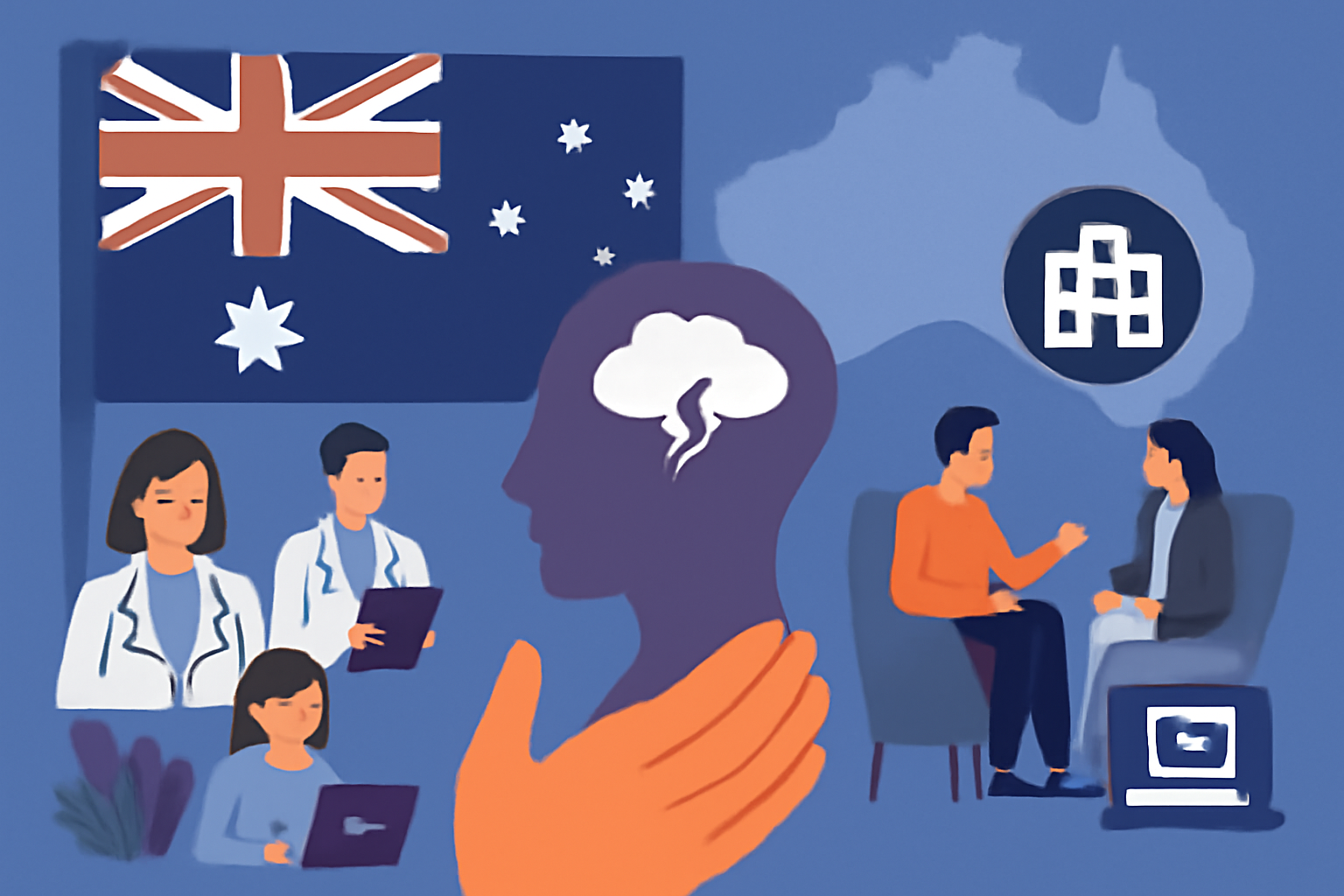
As Australia grapples with an escalating mental health crisis, the country’s mental health services have undergone significant reforms and improvements. With mental illness affecting nearly one in five Australians each year, the need for effective mental health care has never been more urgent. The government, along with non-profit organizations and health professionals, has worked tirelessly to create a system that supports individuals at every stage of mental health care—from early intervention to long-term management.
Over the years, Australia’s mental health services have become more inclusive, integrating mental health support into the broader healthcare system. One of the key ways this is being achieved is through the use of Medicare-funded mental health treatment plans. These plans enable individuals to access psychological services through their GPs, making mental health care more accessible and ensuring a seamless connection between physical and mental health.
Public health initiatives, such as the National Mental Health Strategy, have also been vital in tackling mental illness in Australia. These strategies focus on prevention, early intervention, and increasing the availability of support services. The government’s commitment to reducing the stigma surrounding mental health is also key to encouraging people to seek help without fear of discrimination.
The role of helplines like Lifeline and Beyond Blue in providing immediate emotional support is crucial in addressing Australia’s mental health crisis. These services offer immediate crisis intervention, connect individuals with mental health professionals, and provide resources for ongoing care. They have become vital lifelines for those in immediate need of psychological assistance.
Youth mental health has been a particular area of focus, with initiatives such as Headspace playing a pivotal role in supporting young Australians. With rates of anxiety and depression on the rise among young people, Headspace offers accessible, age-appropriate services, including counseling, mental health education, and support for family members.
In addition to these services, Australia has embraced digital health solutions to improve mental health care access. Telehealth services have proven particularly beneficial in remote areas, where face-to-face consultations may not be possible. By expanding telehealth options, Australia has ensured that individuals in rural and isolated communities can still access essential mental health services, making care more equitable across the country.
Despite the improvements, Australia still faces considerable challenges in mental health care. The availability of mental health professionals is limited, especially in rural areas, and many people still experience stigma when seeking help. Continued investment in mental health services and the reduction of barriers to access are crucial to ensuring that all Australians receive the support they need.