








Australia’s television industry is experiencing a major transformation as traditional broadcasting faces increasing competition from streaming platforms, social media ecosystems, and digital-first entertainment models. Reality television programs, once considered simple entertainment formats, have become powerful drivers of audience engagement, advertising revenue, and cultural conversations across the country.
The shift reflects a broader change in how Australians consume media. Viewers are no longer limited to scheduled television broadcasts. Instead, audiences increasingly choose on-demand platforms, mobile viewing, and interactive digital experiences that allow them to engage with content whenever and wherever they want.
The Growing Influence of Reality Television Programs in Australia
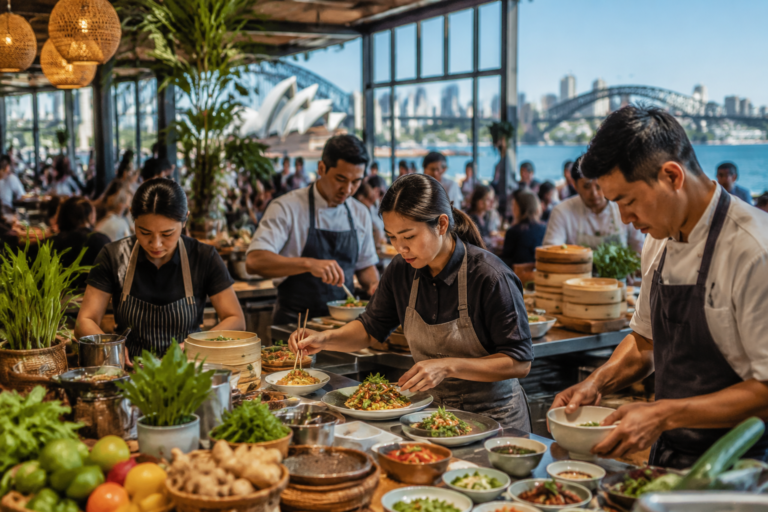
Reality television remains one of the strongest categories within Australia’s entertainment market because of its ability to create emotional connections with audiences. Programs such as The Block, MasterChef Australia, Australian Survivor, and Married at First Sight Australia have demonstrated how unscripted formats can attract large audiences while generating discussions across social media platforms.
These programs succeed because they combine entertainment with audience participation. Viewers often follow contestants’ personal journeys, debate outcomes online, and create additional conversations beyond the original broadcast.
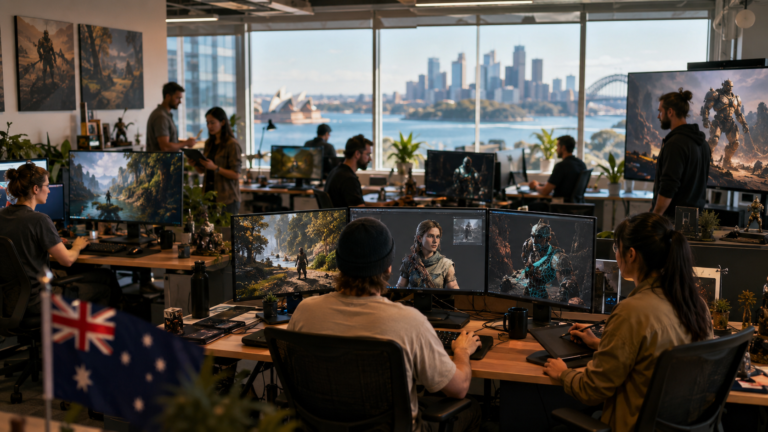
The popularity of reality television has also changed production strategies. Australian networks increasingly invest in formats that can generate multiple revenue streams, including broadcast advertising, sponsorship partnerships, streaming availability, and social media campaigns.
Digital Platforms Are Redefining Australian Television Consumption
The expansion of streaming services has significantly changed the competitive landscape. Platforms including Netflix, Disney+, Amazon Prime Video, Stan, and Paramount+ Australia have increased demand for high-quality digital content.
According to Screen Australia’s industry research, Australian screen production continues to adapt to changing audience behavior, with digital platforms becoming an important part of the country’s content ecosystem.
Reference:
https://www.screenaustralia.gov.au/
Streaming services have encouraged Australian producers to develop content that can reach both domestic and international audiences. Local stories, Australian personalities, and regional perspectives now have opportunities to compete in global digital markets.
The Role of Social Media in Extending Television Content
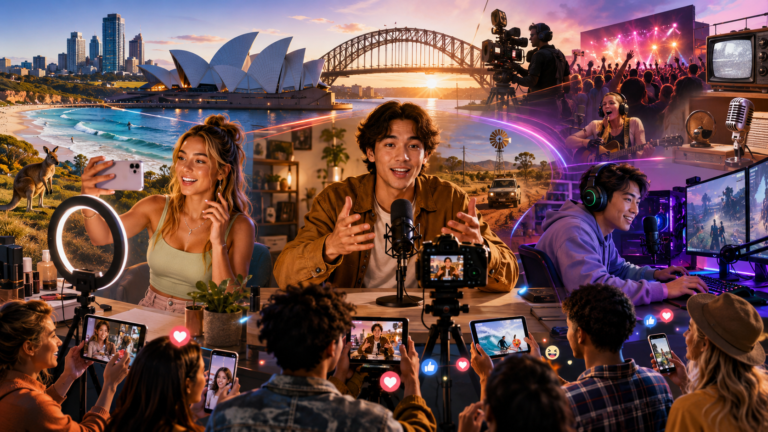
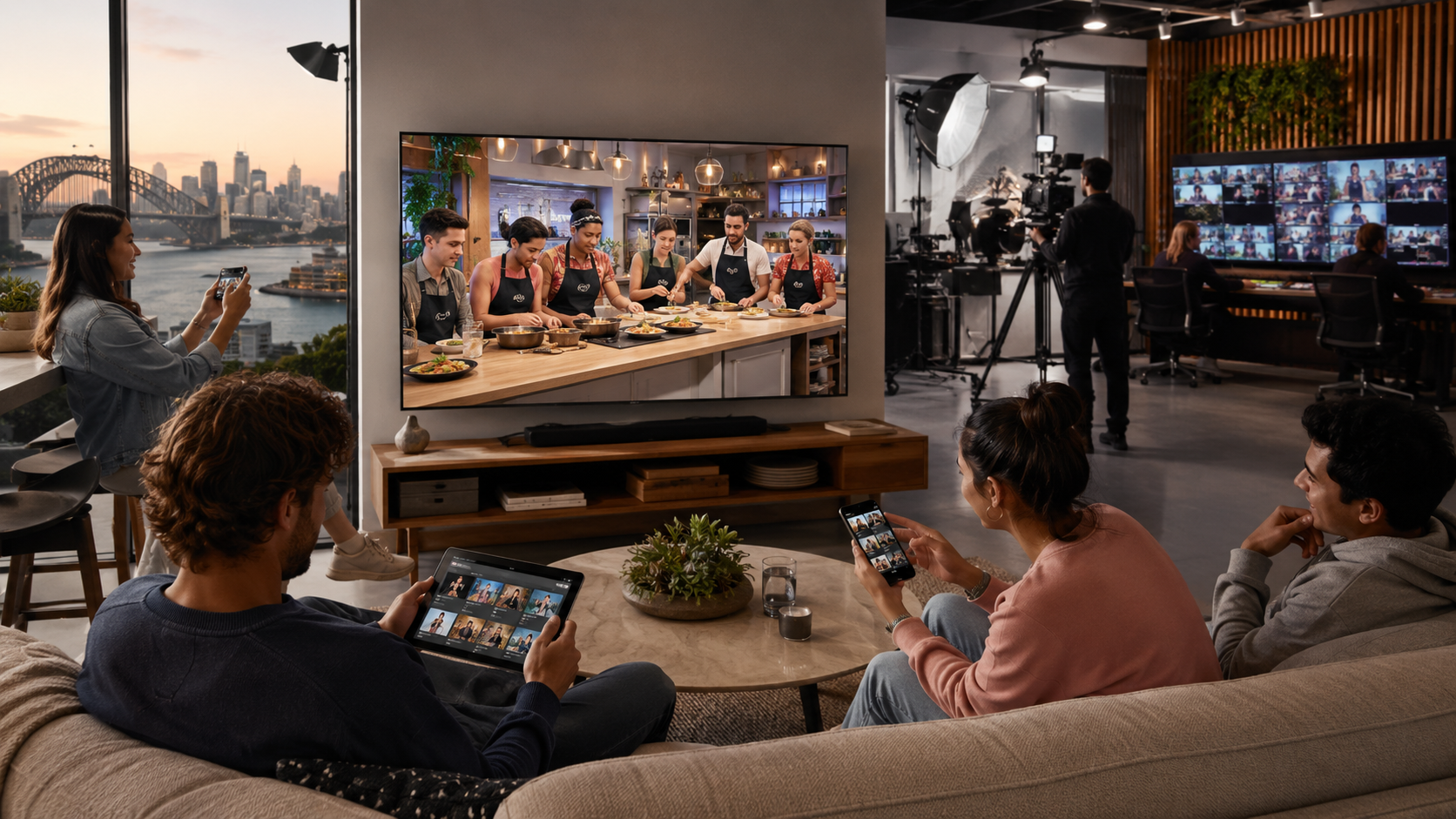
One of the most significant developments in modern Australian television is the integration between broadcast programs and digital communities. Television networks now design campaigns specifically for platforms such as TikTok, Instagram, YouTube, and Facebook.
Reality programs benefit greatly from this strategy because audiences naturally create reactions, reviews, and discussions online. Short-form videos featuring memorable moments from programs can attract new viewers and increase engagement among younger demographics.
This approach has changed television from a one-way communication system into a multi-platform experience where audiences actively participate in shaping public conversations.
Australia’s Television Future: Balancing Tradition and Innovation
The future of Australia’s television industry depends on its ability to combine established broadcasting strengths with digital innovation. Traditional networks still maintain strong local connections, but they must continue adapting to changing consumer expectations.
Reality television will likely remain important because it provides cost-effective production models and strong audience loyalty. However, future success will depend on integrating television programs with streaming technology, online communities, and personalized viewing experiences.
Australia’s media landscape demonstrates how television is no longer defined only by channels and schedules. Instead, it has become an interconnected digital ecosystem where reality entertainment, technology, and audience participation work together to create new opportunities for the industry.