

Australia’s clothing traditions, shaped by its Indigenous peoples and influenced by European settlers, offer a fascinating look into the country’s cultural history and evolution. From traditional Aboriginal attire to modern-day Australian fashion, the garments worn by Australians represent both a connection to the past and an expression of the nation’s evolving identity.
Indigenous Clothing Traditions
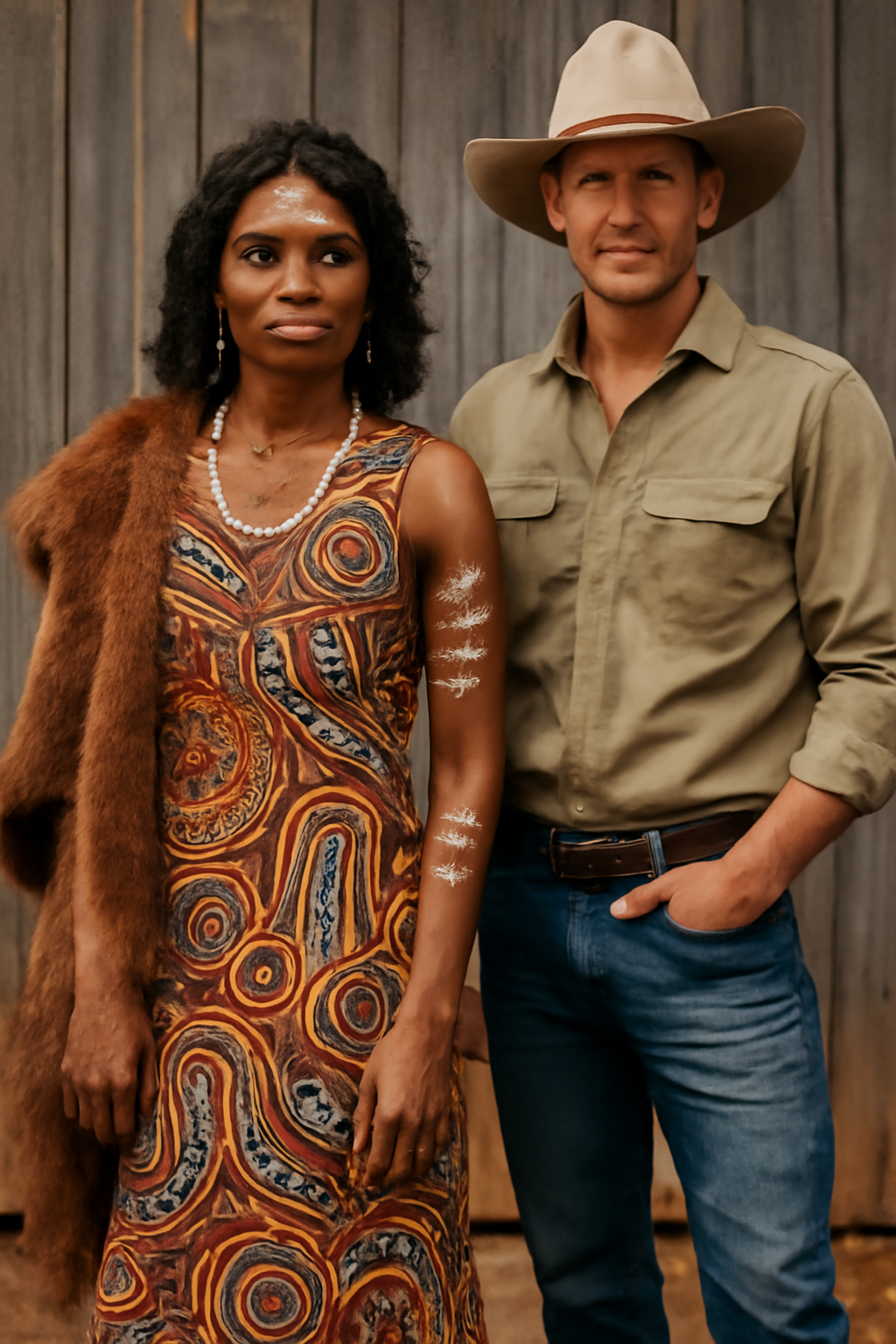
The traditional clothing of Indigenous Australians, including both Aboriginal and Torres Strait Islander peoples, varies greatly depending on the region and the climate in which the group lived. In warmer northern regions, minimal clothing was worn, with body painting and the use of natural adornments such as shells, feathers, and beads serving as the primary forms of decoration.
In contrast, the cooler southern regions saw more extensive use of animal furs, with kangaroo and emu skins fashioned into clothing for warmth. Aboriginal groups were also known for creating garments using plant fibers, with intricate weaving techniques passed down through generations.
The clothing of Indigenous Australians was not merely functional but held cultural significance. Each garment, adornment, or body paint design conveyed information about the individual’s identity, their tribe, and their role within the community.
The Impact of European Settlement
With the arrival of European settlers in the 18th century, Australian fashion began to change dramatically. British clothing traditions were introduced, and settlers adapted these styles to better suit the Australian climate. As a result, distinctive Australian styles emerged, particularly for rural and outback communities.
Wide-brimmed hats, tough leather boots, and long-sleeved shirts became symbols of the Australian bushman, a figure who embodied resilience and independence. These practical garments were designed to protect the wearer from the harsh sun and rugged terrain, becoming a staple of Australian identity.
Indigenous Influences in Contemporary Fashion
In recent years, Australia’s fashion scene has seen a resurgence in the use of Indigenous designs. Aboriginal and Torres Strait Islander artists and fashion designers have been integral in reinvigorating traditional styles through modern interpretations. Designers such as Emily Kame Kngwarreye and Rona Tongarati have merged contemporary fashion with Indigenous art, ensuring that cultural heritage is represented in a way that resonates with today’s global fashion industry.
Events like NAIDOC Week and other Indigenous-focused festivals showcase this fusion of traditional and modern elements, bringing visibility to Indigenous craftsmanship while celebrating the diverse cultural identity of Australia.
Sustainability and the Role of Tradition
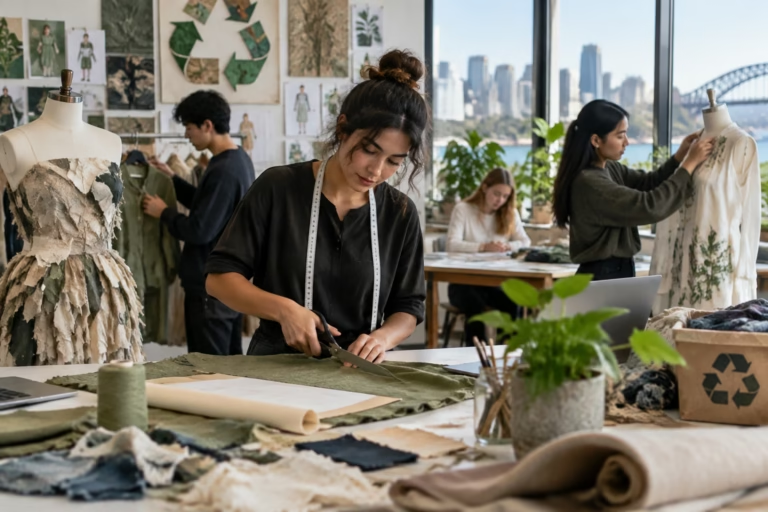
The modern Australian fashion industry is increasingly turning to sustainable practices, and many designers are looking to traditional Indigenous techniques for inspiration. Natural dyes, hand-woven fabrics, and animal skins are all being used to create contemporary pieces that honor the earth and Indigenous cultural practices. This focus on sustainability is not only environmentally responsible but also ensures that traditional methods are preserved for future generations.
As Australia’s fashion industry continues to evolve, the integration of traditional elements alongside modern trends will help foster a deeper understanding and appreciation of the nation’s cultural heritage.