

Australia’s fashion industry is undergoing a radical transformation, embracing inclusivity and diversity in ways that were previously unimaginable. No longer is fashion confined to a narrow set of beauty standards, and the result is a more inclusive industry that celebrates all individuals, regardless of their body type, ethnicity, gender, or age. This change is reshaping the way fashion is perceived and consumed in Australia, creating opportunities for everyone to engage with fashion in a meaningful way.
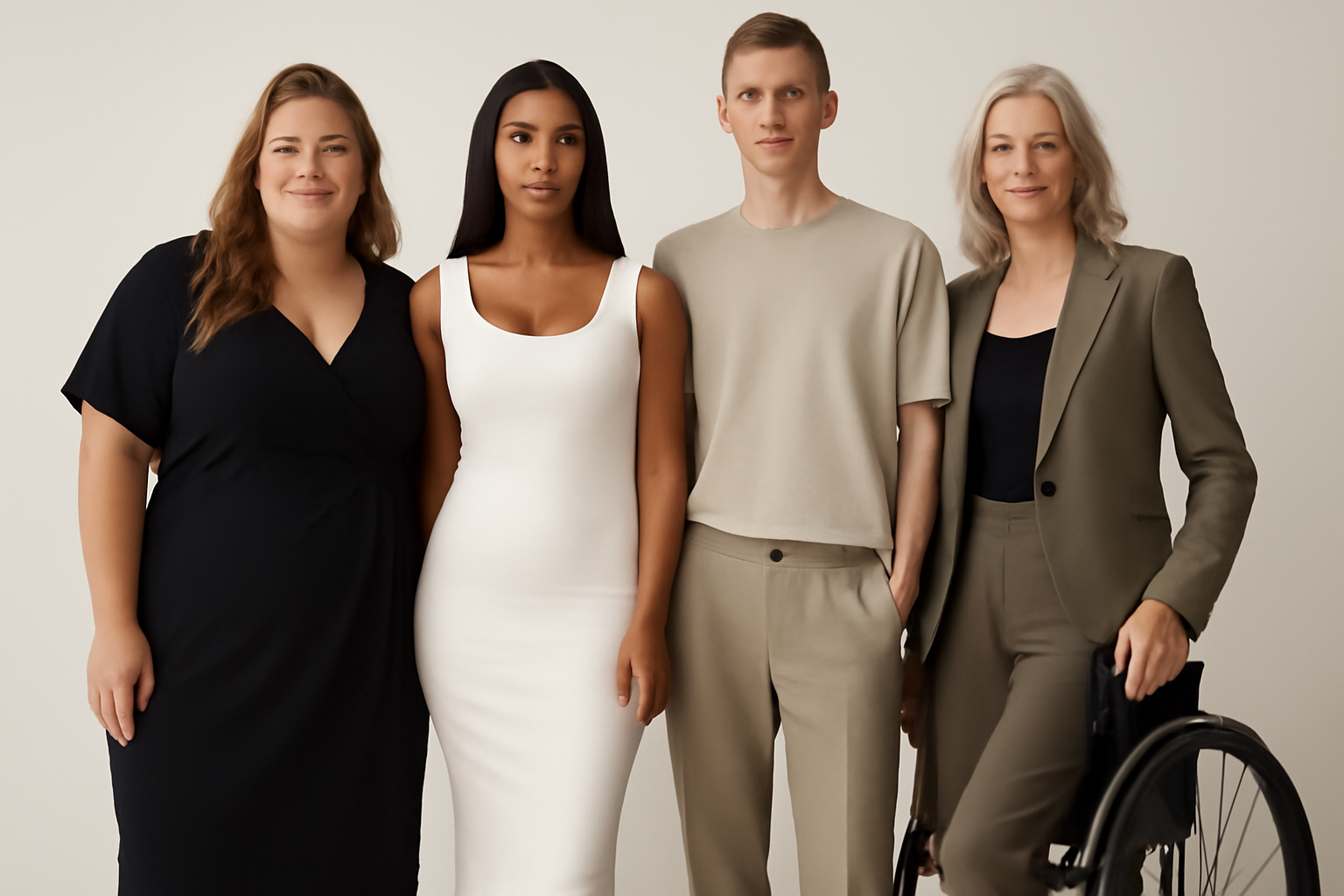
One of the most significant changes in Australian fashion has been the expansion of size-inclusive collections. In the past, many fashion brands focused exclusively on smaller sizes, leaving those outside of that range with limited options. However, this is beginning to change, with more Australian brands offering clothing that caters to a broader range of body types. Brands such as “Bec Wilcock” and “Monica Cohen” are offering stylish pieces in extended sizes, showing that fashion is not limited to one specific body type. This move toward size inclusivity is empowering individuals to feel confident and fashionable, no matter their shape or size.
Equally important is the increasing representation of people from diverse cultural backgrounds. Australian fashion is now embracing models of various ethnicities, showcasing the multicultural nature of the country. Labels like “Kookai” and “Mimco” are celebrating this diversity by incorporating models from different cultural and ethnic backgrounds into their campaigns. This helps to reflect the rich tapestry of cultures that make up Australia, ensuring that fashion is accessible and relatable to all communities.
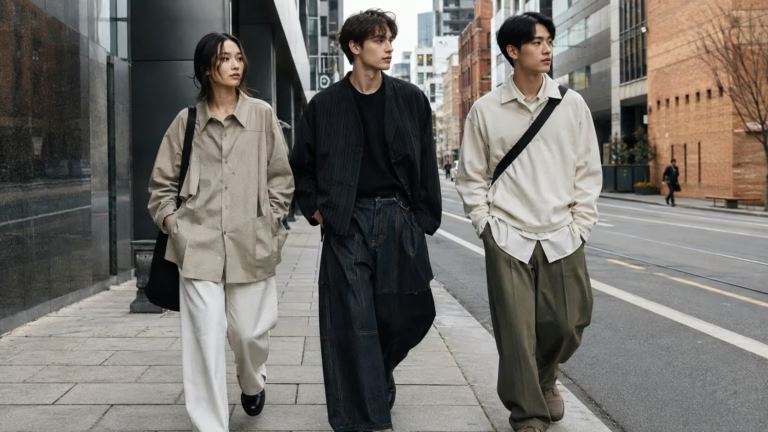
Along with the rise of body and ethnic diversity, gender inclusivity is also becoming a significant part of the Australian fashion industry. More and more brands are moving away from traditional gendered clothing lines and are now offering gender-neutral collections. This approach allows individuals to express themselves through fashion in a way that is true to their identity, without being restricted by traditional gender norms. Designers like “Kaitlyn Power” and “Bridget McCall” are leading the charge in gender-neutral fashion, providing a platform for those who fall outside of the traditional gender binary.
Another important shift in Australian fashion is the inclusion of older models and individuals in campaigns and runway shows. Historically, the fashion industry has been dominated by young models, but there has been a push for more representation of older individuals. Brands like “Country Road” and “Harper’s Bazaar” have featured older models in their campaigns, promoting the idea that style is not confined to youth. This movement has helped to challenge the notion that fashion is for the young, showing that individuals of all ages can participate in and enjoy fashion.
Lastly, the inclusion of individuals with disabilities is gaining more attention in Australian fashion. Adaptive clothing lines are becoming more prevalent, with designers focusing on making clothing that is both stylish and accessible for individuals with physical challenges. By offering clothing that caters to a variety of needs, the Australian fashion industry is working toward becoming more inclusive and ensuring that everyone has the opportunity to express their personal style.
The increasing role of social media has played a critical role in promoting inclusivity and diversity in Australian fashion. Social media platforms have given a voice to individuals from marginalized groups, allowing them to share their unique fashion sense and challenge traditional beauty standards. As a result, brands are becoming more aware of the need to represent a diverse range of individuals in their advertising and product offerings.
In summary, the Australian fashion industry is making significant strides in embracing inclusivity and diversity, and this shift is paving the way for a more inclusive and accessible future. By recognizing the beauty and value in all individuals, the industry is creating a space where everyone can participate, express themselves, and feel celebrated.