

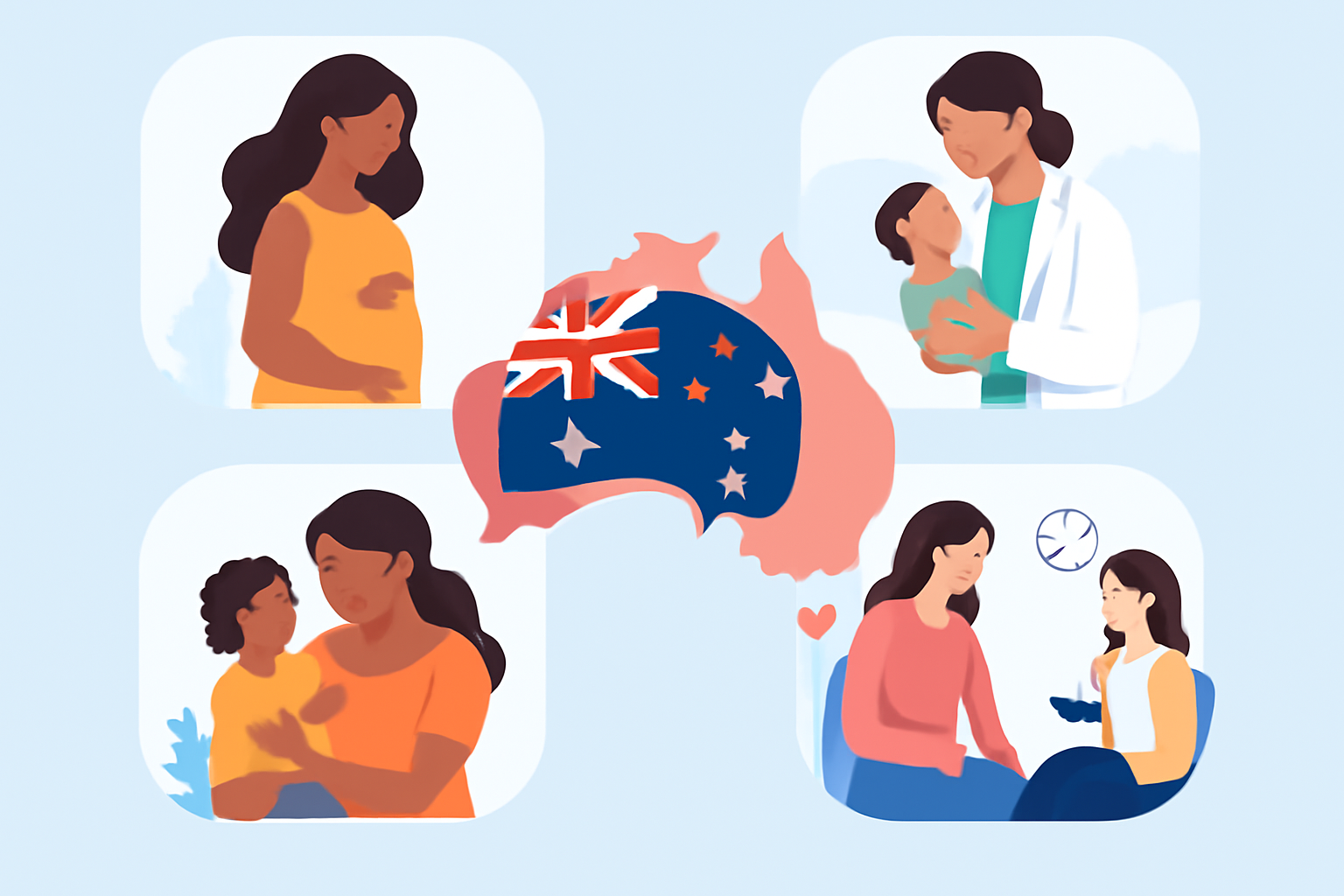
The Australian government has long recognized the importance of supporting the health and well-being of mothers and children. Several initiatives have been established to improve health outcomes for women throughout pregnancy and childbirth, and for children in their early years. These programs aim to provide comprehensive care, early intervention, and education to ensure that both mothers and children receive the resources they need to thrive.
The National Maternity Services Framework is one of the key initiatives developed to improve maternal health in Australia. This framework provides guidelines for healthcare providers to deliver high-quality, evidence-based maternity services. The framework encourages collaboration among healthcare professionals, including obstetricians, midwives, and general practitioners, to ensure that women receive coordinated care throughout their pregnancy and after childbirth. This initiative also includes a focus on reducing disparities in healthcare access, particularly for women living in rural or underserved areas.
Another major program is the Pregnancy Care and Support Initiative, which provides women with comprehensive support during their pregnancies. This initiative includes educational materials, access to prenatal screening, and referrals to specialists when necessary. By offering early detection and intervention for potential complications, the initiative works to reduce risks during pregnancy and ensure that women receive the care they need to deliver healthy babies.
In addition to maternal health, the Australian government has prioritized early childhood health with programs such as the Early Childhood Health Initiative. This initiative provides regular health check-ups and screenings for children, focusing on their physical and developmental milestones. By identifying any health issues early, healthcare providers can address concerns promptly, ensuring that children have the best possible start in life.
The First 1000 Days initiative is another essential program that emphasizes the importance of the first two years of a child’s life. This period is critical for brain development and physical growth, and the government has focused on providing the necessary resources and support to mothers during pregnancy and early childhood. The initiative includes education on infant nutrition, breastfeeding, and parental support, ensuring that families have access to the knowledge and services they need for a healthy start.
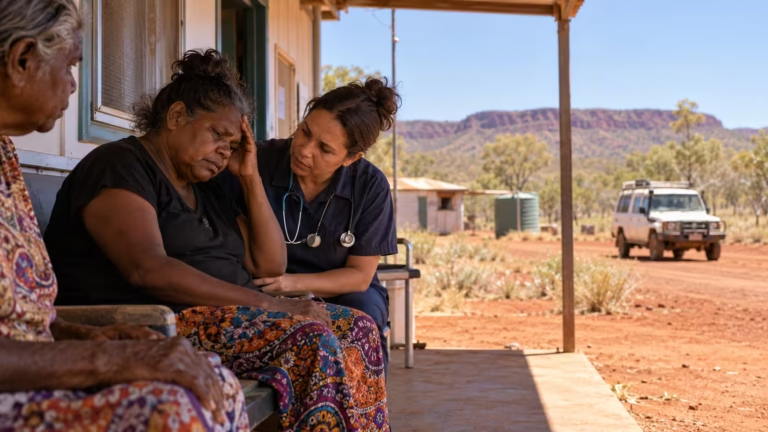
For Aboriginal and Torres Strait Islander communities, the Indigenous Maternal and Child Health Program is a vital part of improving health outcomes. This program is tailored to the specific cultural needs of Indigenous families and provides targeted support to reduce health disparities. It includes home visits, education on prenatal care, and assistance with accessing healthcare services in remote areas.
The government has also made significant strides in maternal mental health with the Perinatal Mental Health Program. This program provides counseling, screening, and support for women experiencing mental health challenges during pregnancy and after childbirth. Recognizing the critical importance of mental well-being for both mothers and children, the program ensures that women receive the help they need to navigate the emotional and psychological challenges of motherhood.
Through these programs, the Australian government demonstrates its commitment to maternal and child health by providing a comprehensive support system. These initiatives focus on early intervention, education, and healthcare accessibility to create better health outcomes for women and children across the country.