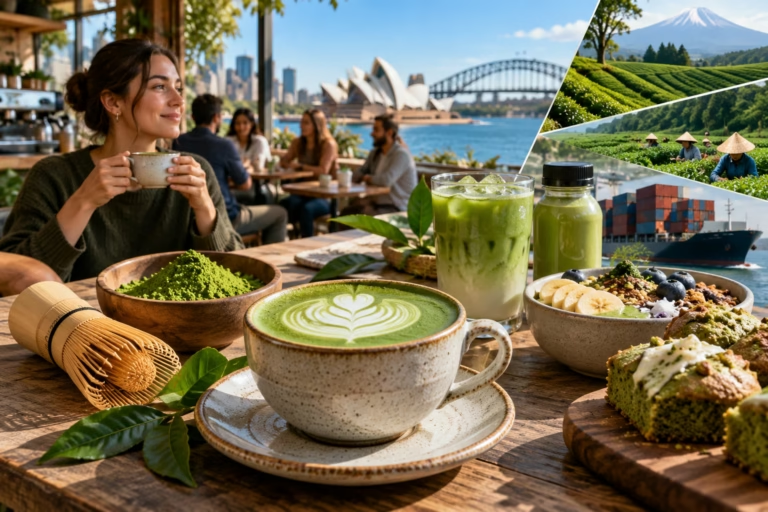


Australia has long been known for its laid-back lifestyle, but in recent years, the country has also become a leader in the movement toward healthier eating and sustainable food practices. As more Australians become aware of the importance of nutrition for overall well-being, they are embracing new diets and lifestyle choices that prioritize both personal health and environmental responsibility. From veganism to clean eating, Australia’s food culture is rapidly evolving, and these trends are reshaping the way people think about food and wellness.
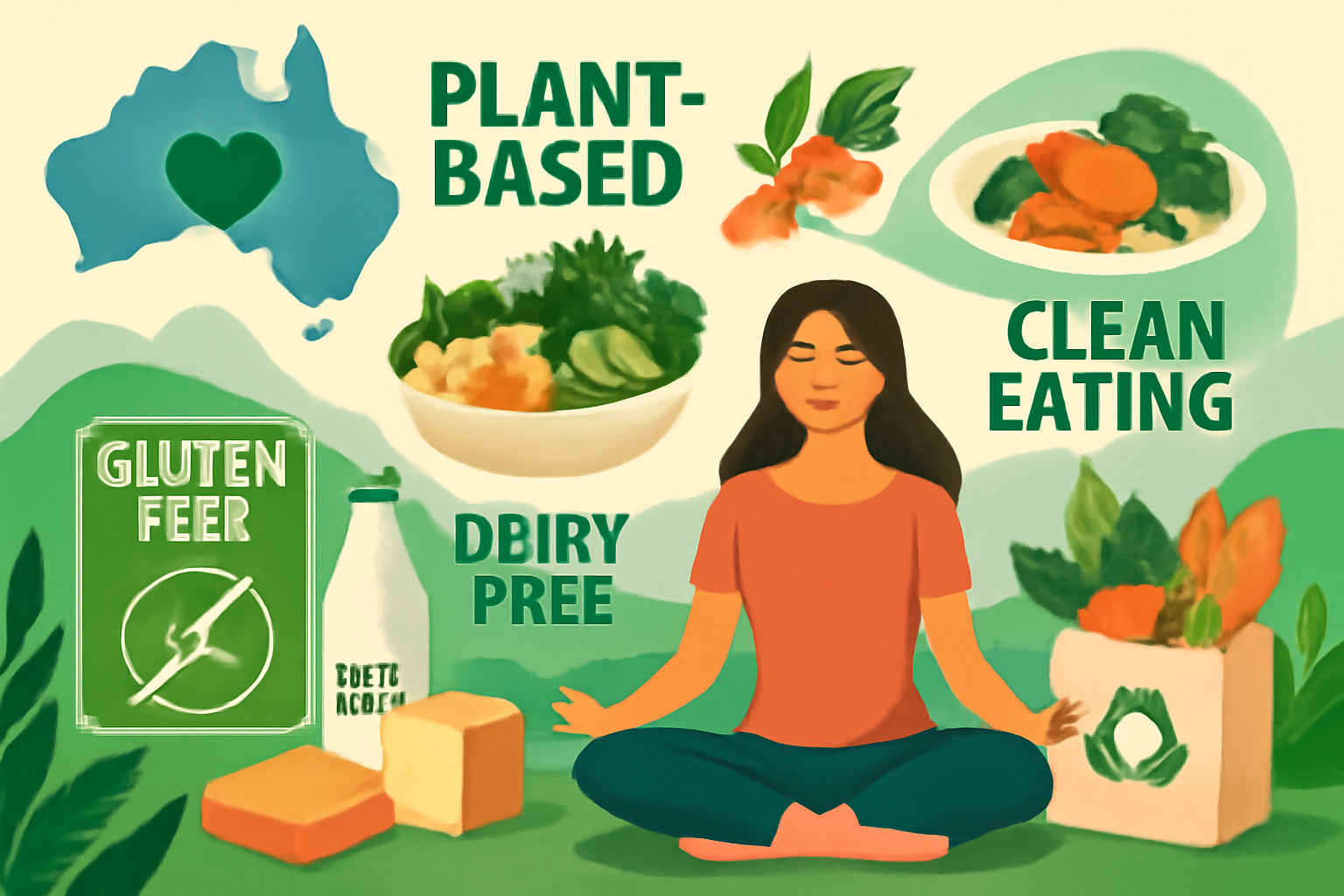
Plant-based eating has surged in popularity across Australia, with veganism and vegetarianism becoming mainstream choices for many. Australians are increasingly aware of the ethical, environmental, and health-related benefits of plant-based diets. Studies have shown that plant-based eating can reduce the risk of chronic diseases, including heart disease and cancer. As a result, plant-based restaurants, cafes, and food products have seen a significant increase in demand. Australians are incorporating plant-based alternatives into their meals, choosing tofu, tempeh, and plant-based meats over traditional animal-based products.
Clean eating is another trend that has gained traction in Australia, as people seek to reduce their intake of processed and artificial foods. Clean eating involves consuming whole, nutrient-rich foods that are minimally processed. This includes fresh fruits, vegetables, whole grains, lean proteins, and healthy fats. Australians are increasingly choosing organic produce and products that are free from artificial additives and preservatives. The clean eating movement reflects a broader shift toward health-consciousness, as Australians strive to nourish their bodies with whole, wholesome foods that support long-term well-being.
The rise of superfoods has also played a major role in shaping Australia’s food culture. Foods like kale, quinoa, and acai berries are celebrated for their high levels of nutrients, vitamins, and antioxidants. Australians are incorporating these superfoods into smoothies, salads, and bowls, seeking to maximize their health benefits with every bite. These foods are seen as powerful allies in the pursuit of better health, supporting immunity, energy levels, and overall vitality.
Mindful eating has become increasingly popular in Australia as well. This practice encourages individuals to slow down, pay attention to their hunger cues, and savor each meal. Mindful eating not only enhances the eating experience but also promotes healthier food choices and improved digestion. By being more present while eating, Australians are learning to make more conscious decisions about what they put in their bodies, leading to a deeper connection between food and wellness.
Sustainability has become a major consideration in Australian food choices. With concerns about climate change and the environmental impact of food production, many Australians are opting for locally sourced, seasonal produce and sustainable food packaging. This shift toward sustainability is closely linked to the popularity of plant-based diets, which have a lower environmental footprint than animal-based diets. Australians are also becoming more mindful of food waste, seeking to reduce their consumption of single-use plastics and opting for products that are packaged in recyclable materials.
Gluten-free and dairy-free diets are also on the rise in Australia, with many individuals opting for these alternatives due to health concerns or ethical reasons. The demand for gluten-free and dairy-free options has led to an explosion of new products, including gluten-free breads, dairy-free cheeses, and plant-based milks. These products are now widely available, making it easier for Australians to adopt these diets without feeling restricted.
As Australia continues to embrace healthier eating trends, the food landscape is undergoing a transformation. From plant-based diets to clean eating and sustainable practices, Australians are redefining what it means to eat well. These changes reflect a broader cultural shift toward wellness, sustainability, and mindful living, and it’s clear that the future of Australian food culture will be shaped by these evolving trends.