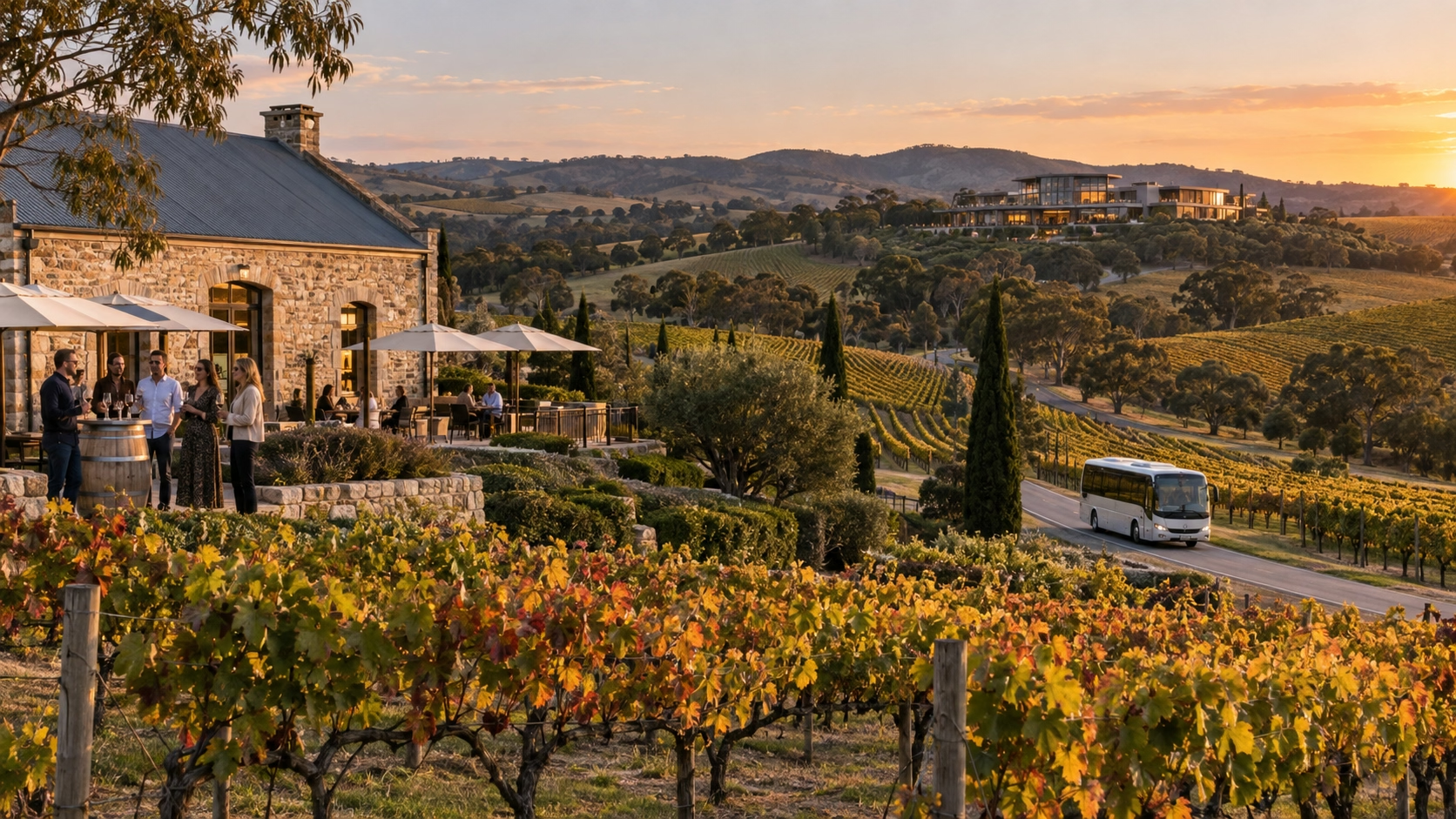

Sustainability is no longer a niche concern in Australian wine—it is becoming the defining competitive advantage. The wineries leading this transformation are discovering that environmental responsibility and wine tourism appeal go hand in hand. For visitors, choosing a sustainable winery is now a meaningful part of the travel experience.
Brokenwood’s Grape Waste Revolution
Brokenwood Wines in the Hunter Valley won the 2026 NSW President’s Medal not for the taste of its wines, but for its sustainability practices. The winery turns grape waste—stems, skins, and seeds—into compost that fertilises its vines. Chief Winemaker Stuart Hordern noted that soil health has been the biggest driver in the vineyard over the past decade, with efforts including minimising chemical use, judicious irrigation, and adopting technology that helps do more with less. Seventy percent of Brokenwood’s bottles now use lightweight glass to reduce emissions.
The Islander Estate: Kangaroo Island’s Sustainability Milestone
The Islander Estate Vineyards has become the first winery on Kangaroo Island to receive Sustainable Winegrowing Australia (SWA) certification. For the past 15 years, the vineyard has farmed without synthetic pesticides, herbicides, growth regulators, or GMOs—practices now independently audited and verified through SWA certification.
Circular Wine: The Next Frontier
Four Winds Vineyard in Murrumbateman, NSW, has released an Australian-first “circular wine,” using larvae from the common fly to fertilise vineyards. Food waste from the Hyatt Regency is consumed by the larvae and recycled onsite into fertiliser that nourishes the vines producing grapes returned to the hotel. This closed-loop system represents a radical rethinking of wine production’s environmental footprint.
What This Means for Wine Tourists
For visitors, sustainable wineries offer more than a clear conscience. They offer stories worth telling. The SWA certification provides independent verification, allowing travellers to make informed choices. Wine Australia’s investment priorities through 2030 include providing grape and wine producers with resources to capture ESG-related data and communicate sustainability outputs. As these programs expand, visitors can expect more wineries to make sustainability a visible part of their cellar door narratives.