
Australia’s popular culture is shaped by a constant exchange between local identity and international influence. Hollywood films, global streaming platforms, international music charts, social media challenges, and imported fashion trends all play a role in Australian daily life. Yet Australian society rarely absorbs those influences without changing them.
Instead, global ideas are often adapted through Australian humour, regional experiences, multicultural communities, and the country’s distinctive relationship with land and place. This process has created a pop culture that feels internationally connected while remaining recognisably Australian.
Film and Television as Cultural Export Tools
Australian film and television have long moved between local storytelling and global production systems. Franchises such as Mad Max demonstrate how an Australian creative concept can become part of international cinema while retaining landscapes, visual styles, and themes associated with the country.
More recently, the animated series Bluey has offered another model of cultural influence. The program presents everyday family life in Brisbane, using Australian accents, suburban settings, local expressions, and emotionally intelligent storytelling. Its international success shows that distinctly local stories do not always need to be culturally neutral to attract global audiences.
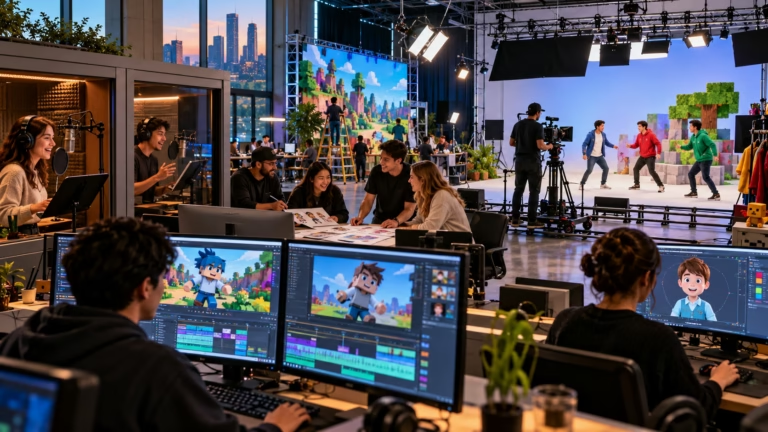
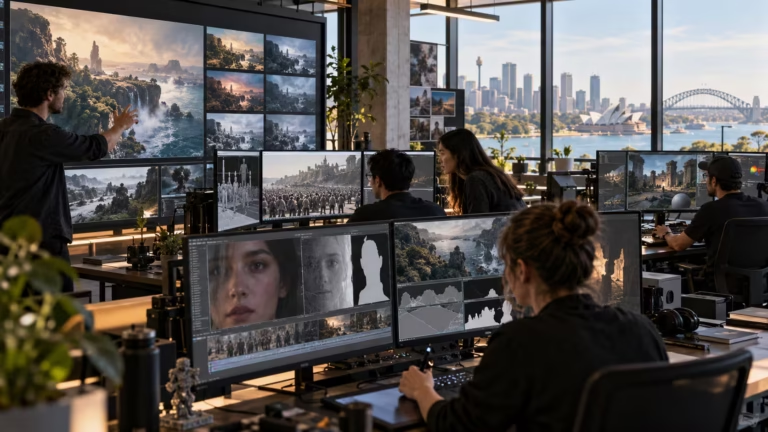
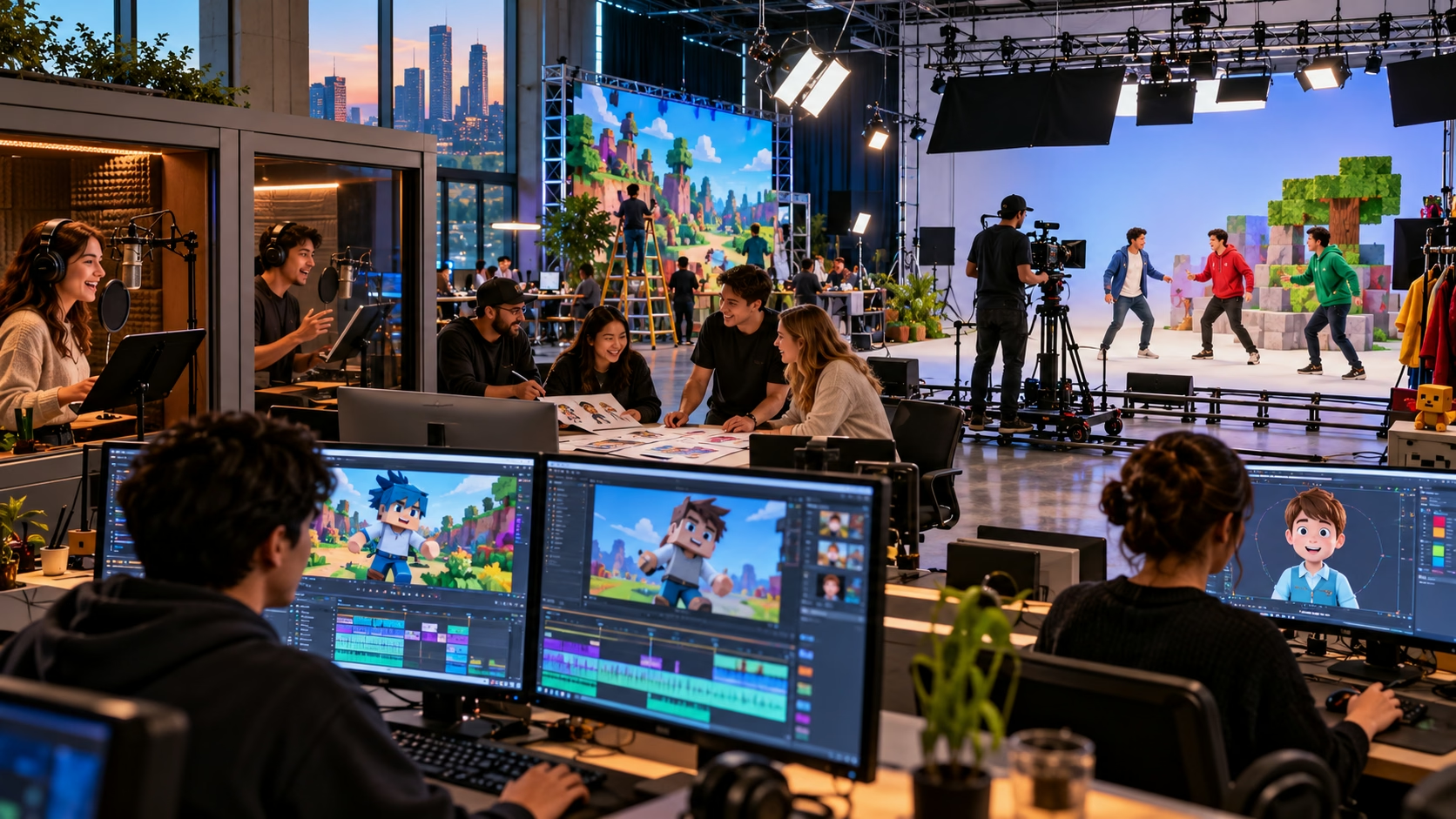
Australian screen production also benefits from international studios filming in locations such as Queensland, New South Wales, and Victoria. This creates employment and technical expertise, although it can also increase concerns about whether local stories receive enough investment.
Screen Australia publishes industry information through its official Drama Report and production trends resources, providing useful context on local and foreign-backed screen activity.
Music in the Streaming Era
Australian music has become increasingly difficult to separate from global digital culture. Spotify, YouTube, Apple Music, and TikTok allow listeners in Sydney, Perth, Darwin, or regional communities to access the same releases at nearly the same time as audiences in London, Seoul, Lagos, or Los Angeles.
Artists such as Kylie Minogue, Tame Impala, Troye Sivan, Sia, and The Kid LAROI illustrate different ways Australian performers can enter global markets. Their international success also affects local expectations. Emerging musicians are now encouraged to think beyond national radio and build audiences through short-form video, playlists, collaborations, and online fan communities.
At the same time, global platforms can make visibility more competitive. Australian musicians compete not only with other local acts but with millions of tracks released worldwide.
Multicultural Influence on Local Sound
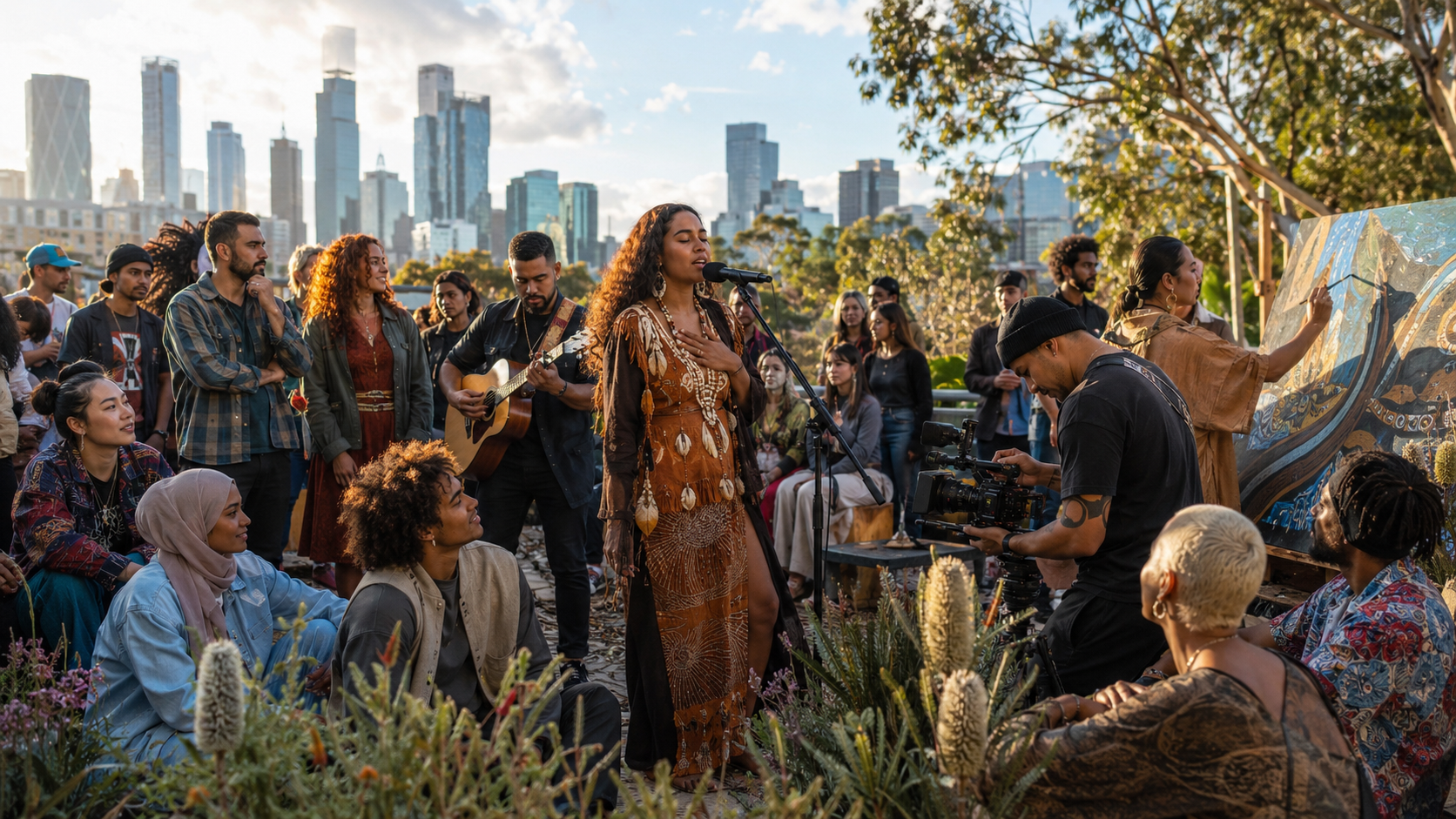
Migration has transformed the sound of Australian popular music. Hip-hop, electronic music, Afrobeats, K-pop, South Asian pop, Pacific music, and Latin rhythms increasingly appear in clubs, festivals, social media content, and independent releases.
These influences reflect modern Australian cities, where cultural identity is often layered rather than singular.
Global Trends and Everyday Social Behaviour
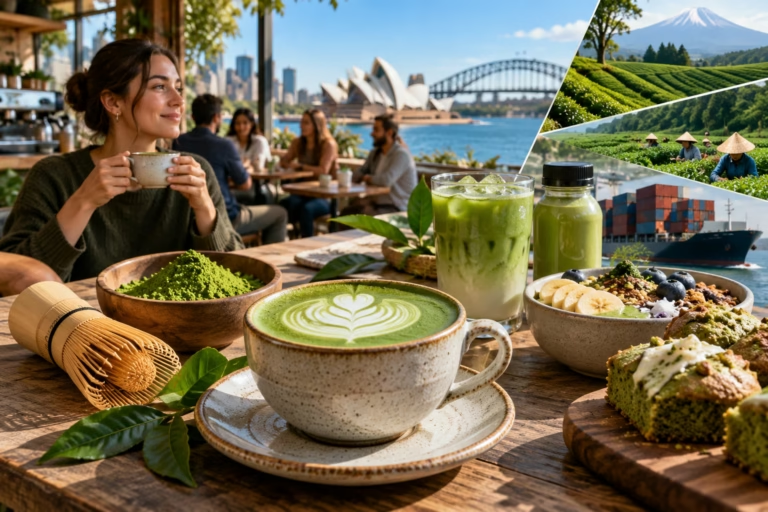
Fashion, food, language, beauty standards, gaming, and online humour now travel rapidly across borders. Australian young people participate in global fandoms while adapting trends to local references and social values.
However, this cultural openness also raises questions about algorithmic influence, consumer pressure, representation, and the survival of local creative industries. The most significant feature of Australian pop culture is therefore not simple imitation. It is the ability to translate global trends into local experiences while continuing to debate what Australian identity should represent.