

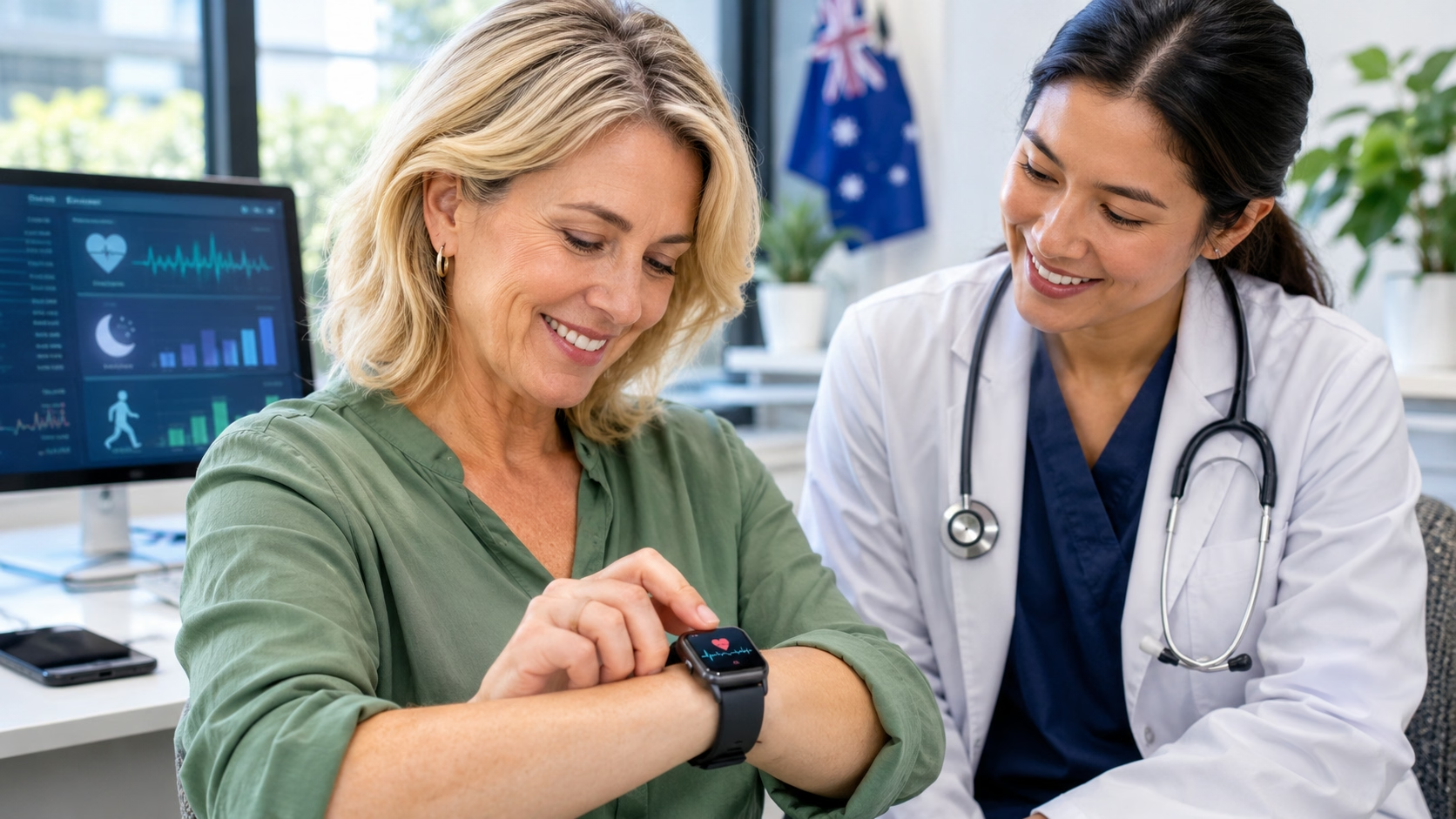
The Regulatory Borderlands of Wearable Health
Not every smartwatch is a medical device—and not every health claim is harmless. As wearable technology proliferates, Australia’s Therapeutic Goods Administration (TGA) is navigating a complex middle ground between consumer electronics and regulated medical products. The distinction matters: it determines whether a device can be sold freely or must pass through rigorous assessment before reaching consumers.
What Makes a Wearable a Medical Device?
The TGA’s position is function-driven. A wearable is regulated as a medical device if it is intended for diagnosis, prevention, monitoring, prediction, prognosis, or treatment of a disease, injury, or disability. Software as a medical device (SaMD) must be included in the Australian Register of Therapeutic Goods (ARTG) before it can be supplied in Australia, even when the hardware itself is a consumer product such as a smartphone or tablet.
This creates a nuanced landscape. A fitness tracker that counts steps without making clinical claims sits outside the medical device framework. But the moment a device claims to detect atrial fibrillation or monitor blood glucose for clinical decision-making, it enters a different regulatory universe.
2026: A Year of Regulatory Clarification
Several developments in 2026 sharpened the boundaries. In January, the TGA granted Singaporean firm Aevice Health permission to supply its AI-powered respiratory monitoring system for children aged three and older, following the company’s prior clearance from the U.S. Food and Drug Administration. The approval illustrated how comparable overseas regulator pathways can accelerate access to validated wearable technology.
Later in the year, the TGA announced amendments clarifying the Clinical Decision Support System exemption, effective 1 November 2026, defining the boundaries between excluded software, exempt CDSS, and regulated SaMD. The direction is toward risk-proportionate regulation—shifting regulatory effort earlier in development while maintaining confidence in approved devices.
The ARTG as a Trust Signal
For consumers and clinicians alike, the ARTG inclusion is the clearest signal that a wearable making medical claims has been assessed for safety, quality, and performance. A 2026 ARTG entry for a “wearable multiple vital physiological parameter monitoring system” from Propell Pty Ltd illustrates the kind of product now entering the regulated space—multi-parameter monitoring in a wearable form factor.
The TGA also warns consumers against false reassurance: “Some products may give the impression that everything is fine, even when there could be a problem. This can delay seeking timely medical advice”. The regulator’s advice is unambiguous: never rely solely on a wearable to assess health.
What the Regulatory Tightrope Means for Innovation
For developers, the message is that marketing claims now carry as much regulatory weight as hardware specifications. Positioning a product as a “wellness” tool while implying clinical benefit is increasingly risky. Conversely, the TGA’s reforms aim to make legitimate innovation faster to market—provided the evidence supports the claims.
The regulatory framework is not a brake on wearable health technology; it is the architecture that allows real-time monitoring to be trusted. Without clear boundaries between consumer gadgets and medical devices, the entire category risks eroding clinician and public confidence. Australia’s approach in 2026 is to draw those lines with greater precision—and to expect the wearable industry to meet them.