
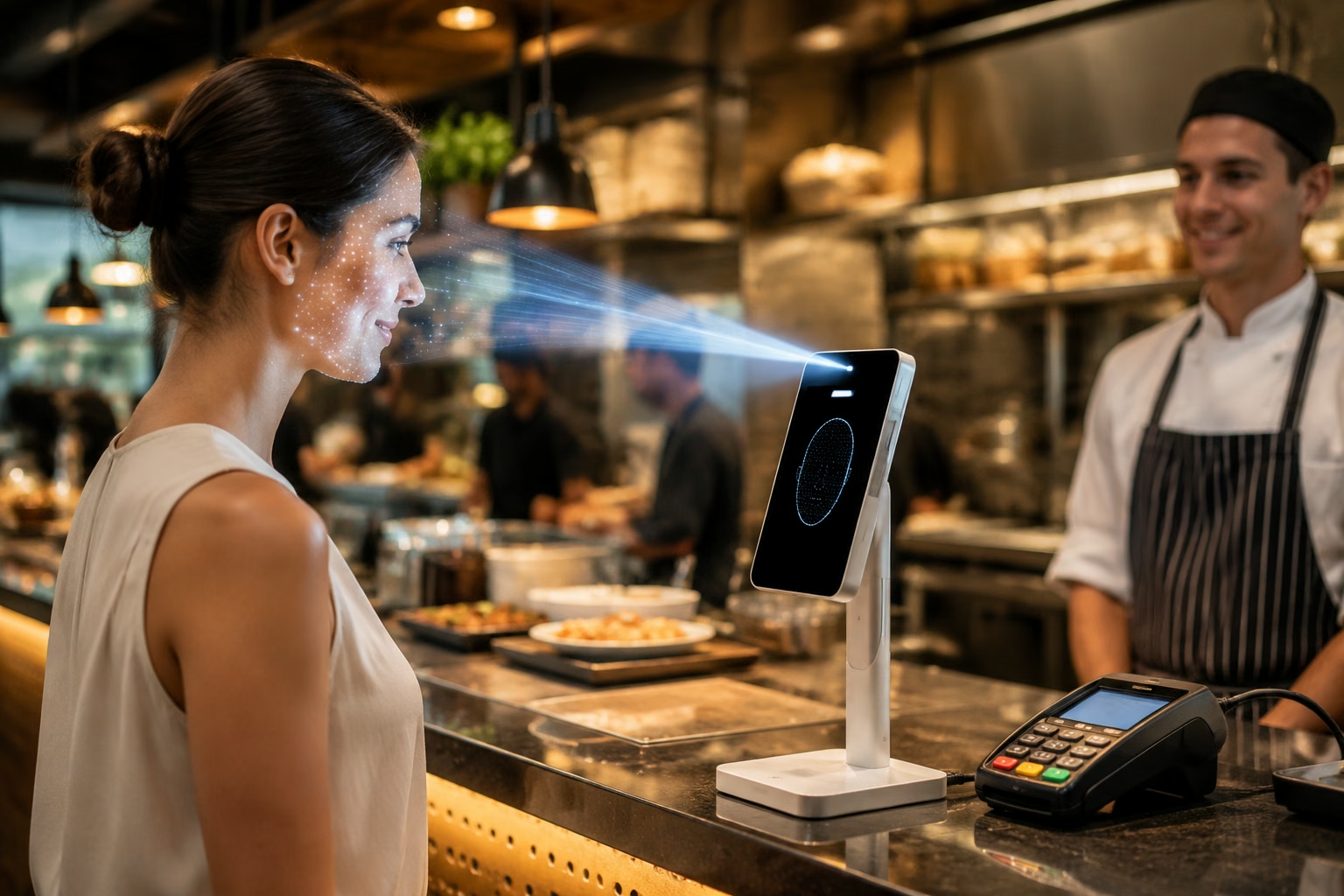
The relationship between a restaurant and its customer was once purely transactional and ephemeral. You ordered, you ate, you left. In 2026, the digitalization of the Australian food industry has turned this into a persistent relationship. Through the sophisticated use of Artificial Intelligence (AI) and Customer Relationship Management (CRM) systems, restaurants are moving beyond standard service into the realm of hyper-personalization, where the goal is to anticipate a diner’s desires.
The Goldmine of CRM Data
The modern Australian restaurant collects data from three primary sources: the POS system (what you bought), the reservation system (how often you come), and the Wi-Fi login/social media interactions (who you are). AI models are now being deployed to synthesize this data into actionable profiles.
The most specific application is dietary and preference tracking. Imagine a diner visiting a fine dining establishment in Perth for their anniversary. The AI system flags the date, the fact that the customer previously mentioned a shellfish allergy in a booking note two years ago, and that they tend to prefer French red wines over Italian. Before the customer even sits down, the sommelier receives a notification suggesting a specific Burgundy based on past spending patterns and the current menu. This level of detail was previously only available in private members’ clubs; now, it is becoming standard in mid-tier dining.
Dynamic Menu Engineering
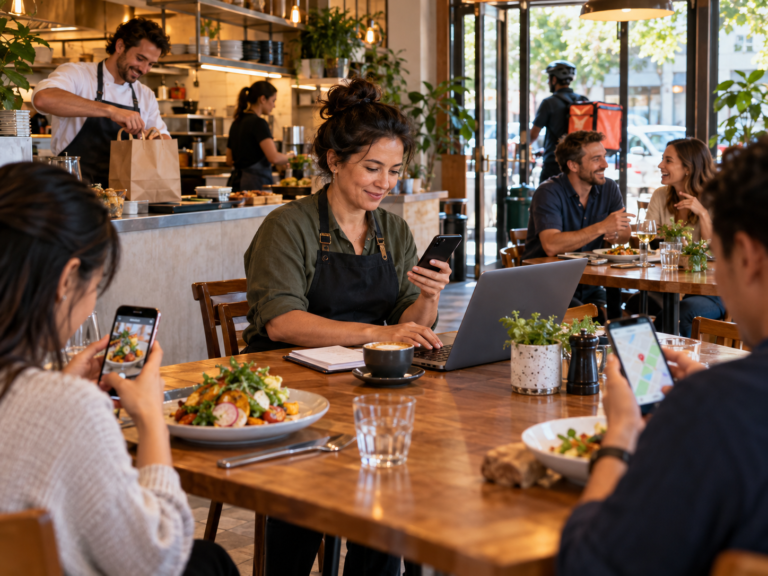
AI is also changing the physical (and digital) menu. The concept of a static menu is dying. Using QR code menus allows kitchens to manipulate displays in real-time.
If a restaurant has an overstock of barramundi, the POS system can be programmed to automatically highlight the barramundi dish at the top of the digital menu, or even offer a dynamic discount to push the inventory before it spoils. Conversely, AI can calculate the “price elasticity” of a dish. If a venue in Melbourne’s CBD is fully booked on a Friday night, the algorithm might subtly raise the price of the most popular steak by 5%, while lowering the price of a less popular vegetarian option to encourage a better margin spread. This is known as surge pricing, and while consumers are familiar with it from ride-sharing apps, it is quietly entering the hospitality sphere in Australia.
Churn Prevention
The most powerful use of AI is in “churn prevention”—identifying customers who are about to defect. The algorithm analyzes visit frequency. If a regular customer who used to visit weekly suddenly hasn’t been seen in three weeks, the system triggers an automated email or SMS offering a complimentary glass of wine or a discount on their favorite dish.
This use of technology transforms the restaurant from a passive location into an active marketing agent. According to the Restaurant & Catering Association (R&CA) of Australia’s 2026 industry benchmark report, venues using AI-driven CRM systems report a 15% higher customer retention rate than those using traditional email marketing (R&CA, 2026).
The digitalization of the dining experience is blurring the line between hospitality and technology. It is creating a landscape where the venue knows you, remembers you, and actively works to keep you coming back.