









Queensland is particularly well-suited to families who want to experience the Great Barrier Reef without feeling overwhelmed. The region’s mix of calm lagoons, educational centers, and easy coastal walks allows children and adults to enjoy the ocean together. With careful planning, a family holiday here can blend fun, learning, and safe water activities for all ages.
For many families, Cairns is the most convenient base because of its airport connections and family-focused facilities. The Cairns Esplanade Lagoon offers a safe swimming environment right in the city, with lifeguards on duty and shaded areas ideal for younger children. From Cairns’ marina, reef tours range from half-day outings to full-day experiences. Family-oriented operators typically provide flotation devices, shallow snorkel platforms, and introductory marine talks geared toward kids.
Parents concerned about long boat rides might prefer pontoon-based tours. These trips travel to a stable platform anchored on the reef, where guests can move between snorkeling, semi-submersible rides, and shaded rest areas at their own pace. Some pontoons feature waterslides, underwater observatories, and touch tanks where children can learn about sea cucumbers, starfish, and other harmless creatures. Staff often include marine educators who explain reef life in simple, engaging language.
Further north, Port Douglas offers a slightly quieter environment suitable for families who appreciate relaxed streets and spacious resorts. The wide sands of Four Mile Beach invite sandcastle building, kite flying, and gentle paddling in the shallows under appropriate safety advice. From Port Douglas, smaller group reef trips can feel less crowded, and private charters are an option for families who want a more personalized schedule with attention adjusted to children’s comfort levels.
In the Whitsundays, families can base themselves in Airlie Beach or on an island resort. Many accommodations offer kids’ clubs, shallow pools, and supervised activities, allowing parents some downtime while still staying close to the sea. Shorter day cruises visit snorkeling spots with calm conditions, and glass-bottom boat tours are popular for children who are hesitant to put their faces in the water. Visiting Whitehaven Beach is a highlight, as its gentle shoreline and powdery sand are ideal for family playtime.
Back on land, Queensland’s coastal towns host aquariums and discovery centers that complement reef trips. Facilities in places like Townsville or Cairns often feature coral exhibits, interactive displays, and feeding sessions with turtles or rays. These experiences help deepen children’s understanding of reef ecosystems and the importance of caring for marine environments. Many families find it helpful to visit these centers either before or after a reef day to connect what they see on the water with structured information.
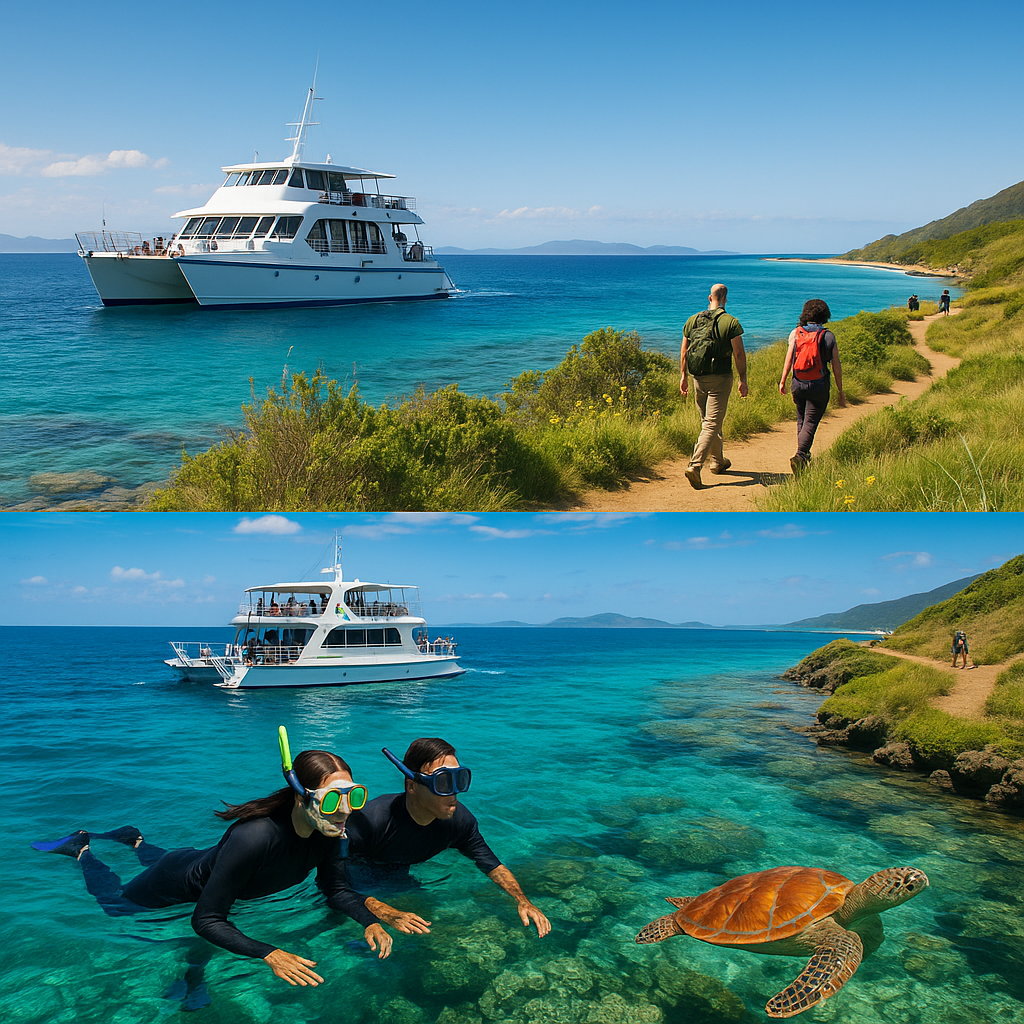
Family-focused itineraries also benefit from incorporating coastal walks and lookouts that do not require long hikes. Boardwalks along esplanades, short trails to headland viewpoints, and playgrounds overlooking the ocean give children space to move around while adults enjoy views of the Coral Sea. Picnics in seaside parks and sunset strolls are easy ways to keep everyone engaged without rigid schedules.
Safety and comfort are key elements of any family trip to the reef. Choosing reputable operators, checking age suitability for activities, and paying attention to seasonal conditions such as stinger seasons in the north all contribute to a smoother experience. With thoughtful planning, families can share close-up encounters with coral and fish, spend time on beautiful beaches, and build an appreciation for Queensland’s ocean landscapes that stays with children long after the holiday ends.