







Across Australia, streetwear has evolved into an urban uniform shaped by pop‑culture currents and the realities of life in sprawling, outdoor‑oriented cities. What began as a blend of skate, surf, and hip‑hop now reads as a sophisticated system: silhouettes designed for movement, fabrics tuned to weather, and graphics that nod to local stories.
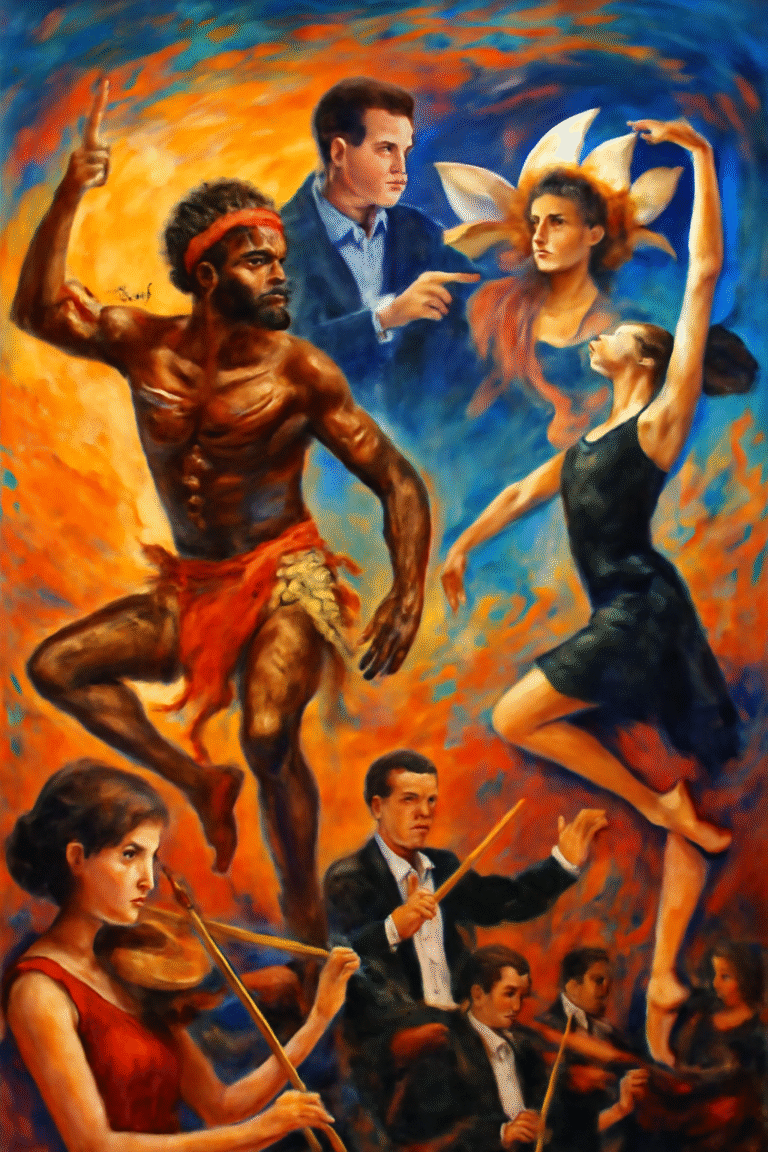
Music anchors this system. Hip‑hop and drill crews set templates for tracksuits, puffers, and fitted caps, while indie and electronic scenes favor baggy knits, cropped denim, and vintage runners. Merch blurs into core wardrobe pieces—designed on quality blanks, screen‑printed locally, and released in limited batches to build narrative. The festival circuit turns these pieces into living lookbooks; crowds experiment, and photographers immortalize the best combinations.
The sneaker economy undergirds the look. Rotations might include retro New Balance and ASICS alongside Jordans and Air Max. Australian consignment boutiques curate rare pairs and teach care practices, making longevity aspirational. Custom lace swaps, sole swaps, and de‑yellowing clinics reveal a technical literacy that echoes the DIY energy of skate and graffiti.
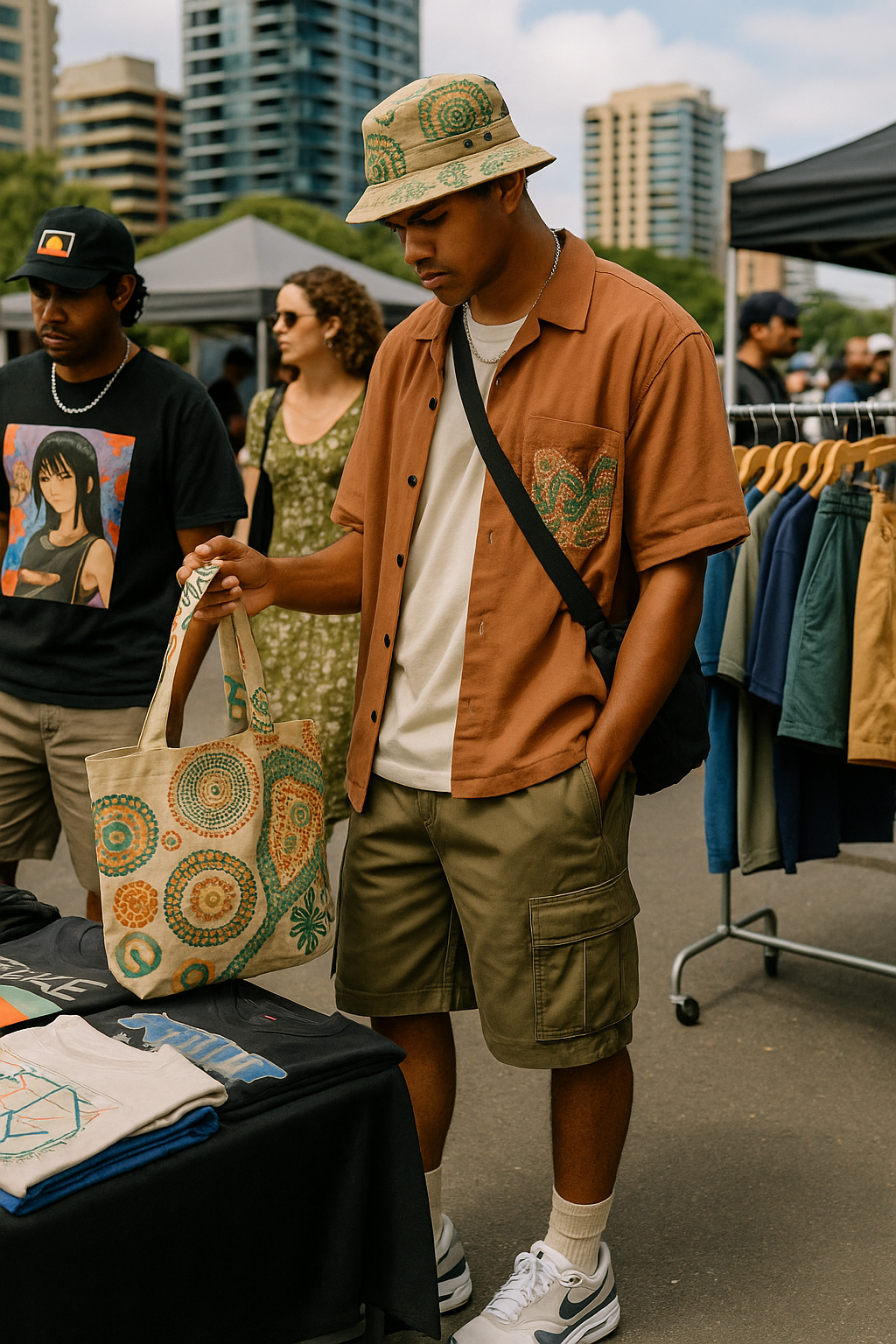
Local brands are fluent in function. Cargo shorts with gusseted pockets, shirts cut boxy for airflow, and packable shells that fend off sudden rain—these choices are about survival as much as style. Sustainability is increasingly standard: deadstock remakes, recycled nylons, organic cotton, and transparent production notes win loyalty from consumers who value ethics.
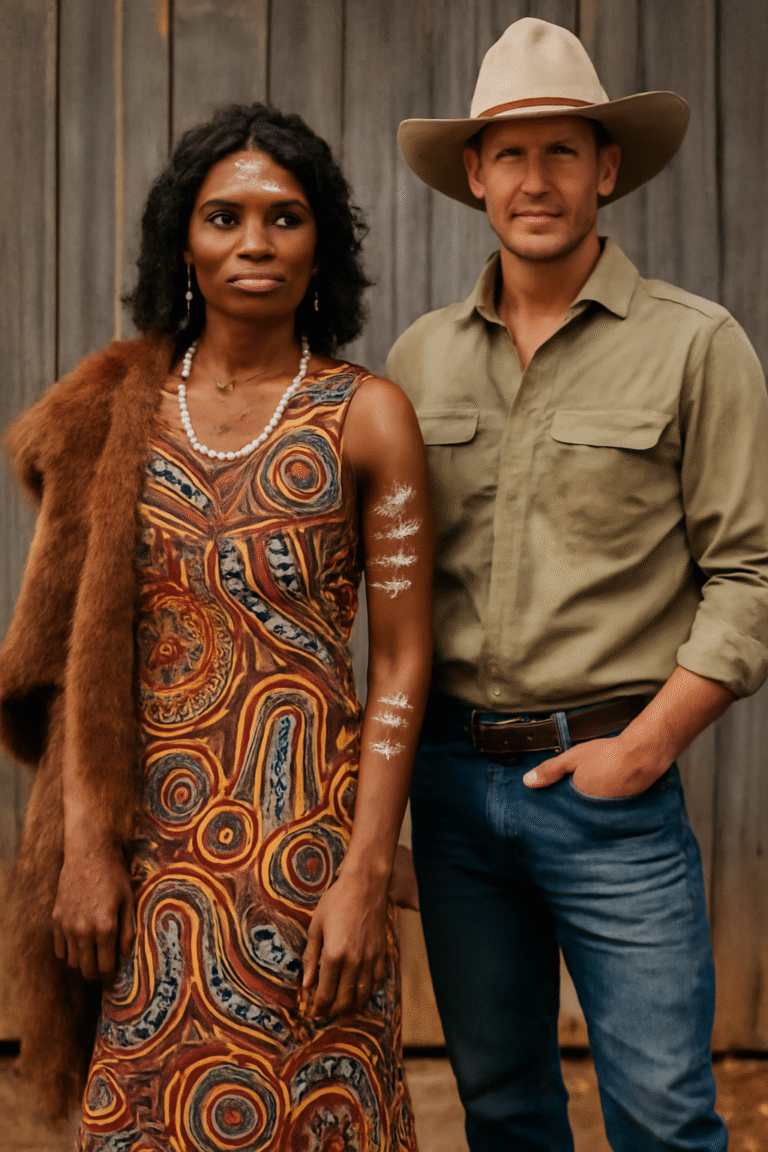
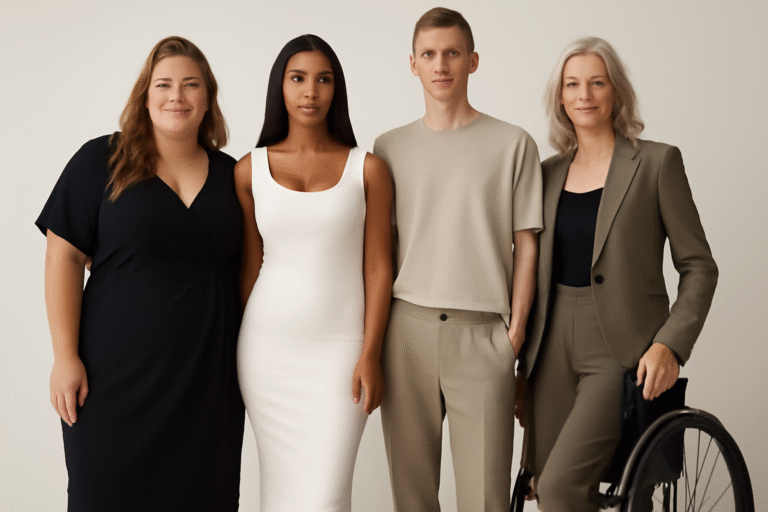
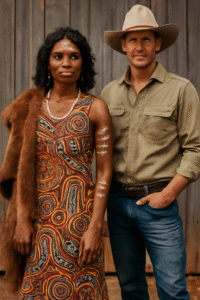
Cultural diversity is not a side note but a core engine. Pacific Islander jewelery, South Asian embroidery motifs, Middle Eastern headwear adaptations, and European sports heritage mingle comfortably on the street. First Nations collaborations, created with proper credit and consent, help recalibrate aesthetics and ethics alike, bringing pattern languages and stories to new audiences.
Pop culture now moves through screens more than billboards. TikTok explains proportion—why wide‑leg pants pair with cropped jackets—while Instagram showcases color theory for harsh sunlight, suggesting earthy tones, ocean blues, and eucalyptus greens. YouTube deep‑dives decode sizing, fabrics, and history, converting followers into informed collectors rather than passive consumers.
Retail scenes reflect this hybridity. Coffee shops stock zines and tees; record stores host capsule launches; galleries partner on installations with garment releases. The drop becomes a social ritual. People don’t just buy; they hang out, swap care tips, trade, and plan fits for the next event.
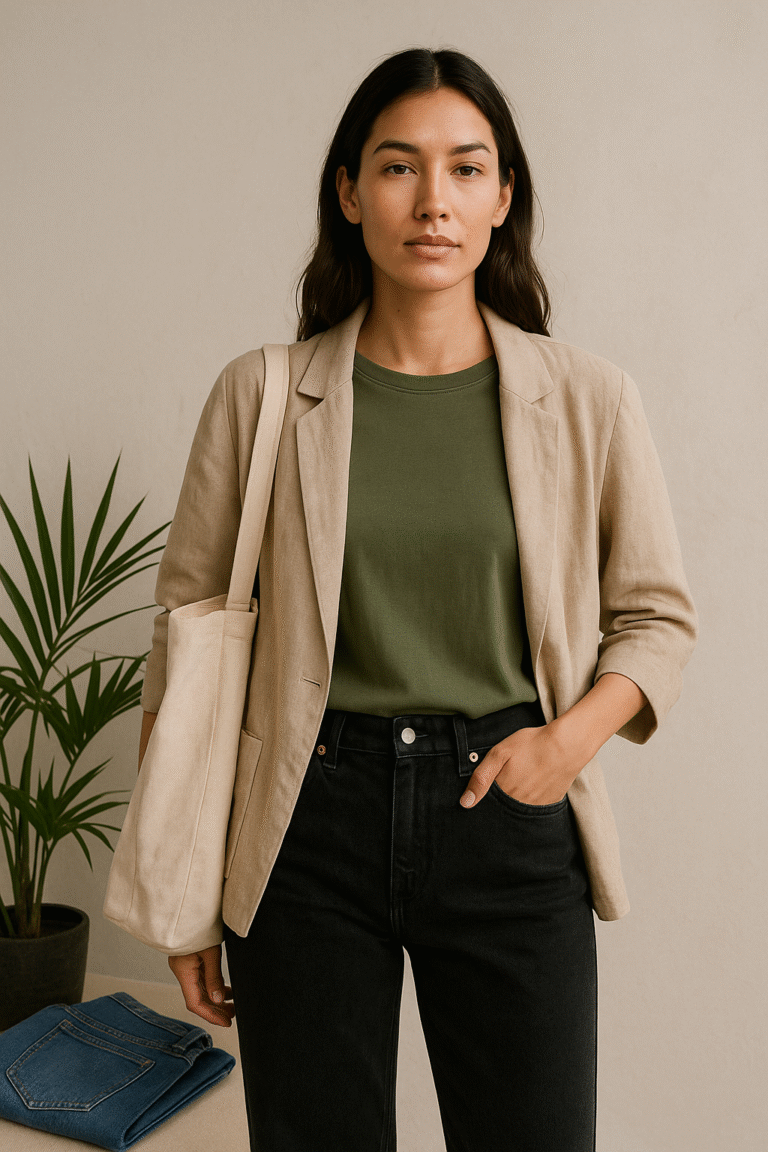
What emerges is an urban uniform that prioritizes ease and expression. Pieces must travel from bike to office, beach to gig. The drama lies in texture and proportion rather than loud logos: washed twill, ripstop, mesh, chunky soles, and subtle embroidery. It is unmistakably Australian because it listens to the weather, the commute, the soundtrack—and translates them into clothes that live well.