










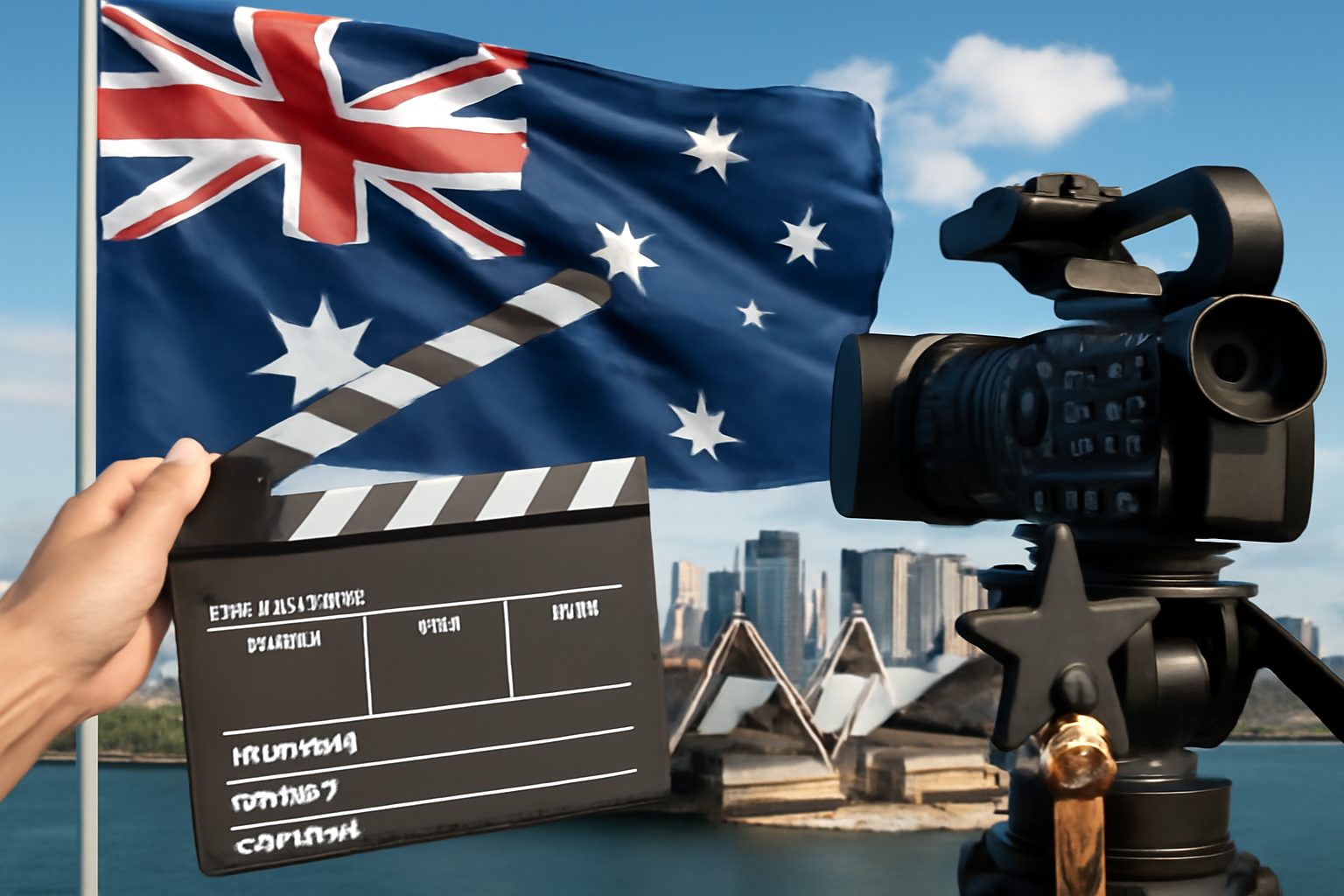
Australia’s entertainment industry is undergoing a significant transformation, particularly in the fields of film and television production. A combination of favorable government policies, attractive filming locations, and a thriving local talent pool has led to a surge in production activity. As a result, both international and domestic productions are increasingly flocking to Australia, contributing to the nation’s reputation as a powerhouse in the global entertainment scene.
One of the driving forces behind the growth of the Australian entertainment industry is the government’s investment in the sector. Programs like the Producer Offset and the Location Incentive are designed to provide financial assistance to both domestic and international productions. These initiatives have played a crucial role in attracting high-budget Hollywood films to Australian shores, with films like The Matrix and Guardians of the Galaxy Vol. 2 making use of local facilities and talent.
Beyond international films, Australian TV shows are enjoying a surge in popularity both at home and abroad. Shows such as Offspring, The Code, and Neighbours have achieved significant success in international markets, expanding Australia’s cultural footprint. The increasing popularity of streaming services, such as Netflix and Stan, has also created greater demand for Australian content, allowing local filmmakers to reach wider, more diverse audiences.
Australia’s diverse landscapes play an important role in the country’s appeal as a filming destination. From tropical rainforests and the Great Barrier Reef to expansive desert terrains and modern cityscapes, Australia offers filmmakers a vast array of environments in which to set their stories. Sydney, Melbourne, and other major cities continue to serve as important filming locations, while remote areas like the Kimberley region provide unique, awe-inspiring backdrops.
Australian film and television productions also benefit from a highly skilled workforce. The country’s crew members, including directors, editors, special effects technicians, and sound designers, are known for their professionalism and expertise. This talent pool is further strengthened by the support of leading film schools and training programs, which help develop the next generation of Australian filmmakers.
The rise of Australian content on the international stage has also been helped by the increasing recognition of Australian actors and directors. Stars like Cate Blanchett, Hugh Jackman, and Russell Crowe have long been fixtures in Hollywood, while directors such as Baz Luhrmann and George Miller have earned global acclaim for their contributions to cinema.
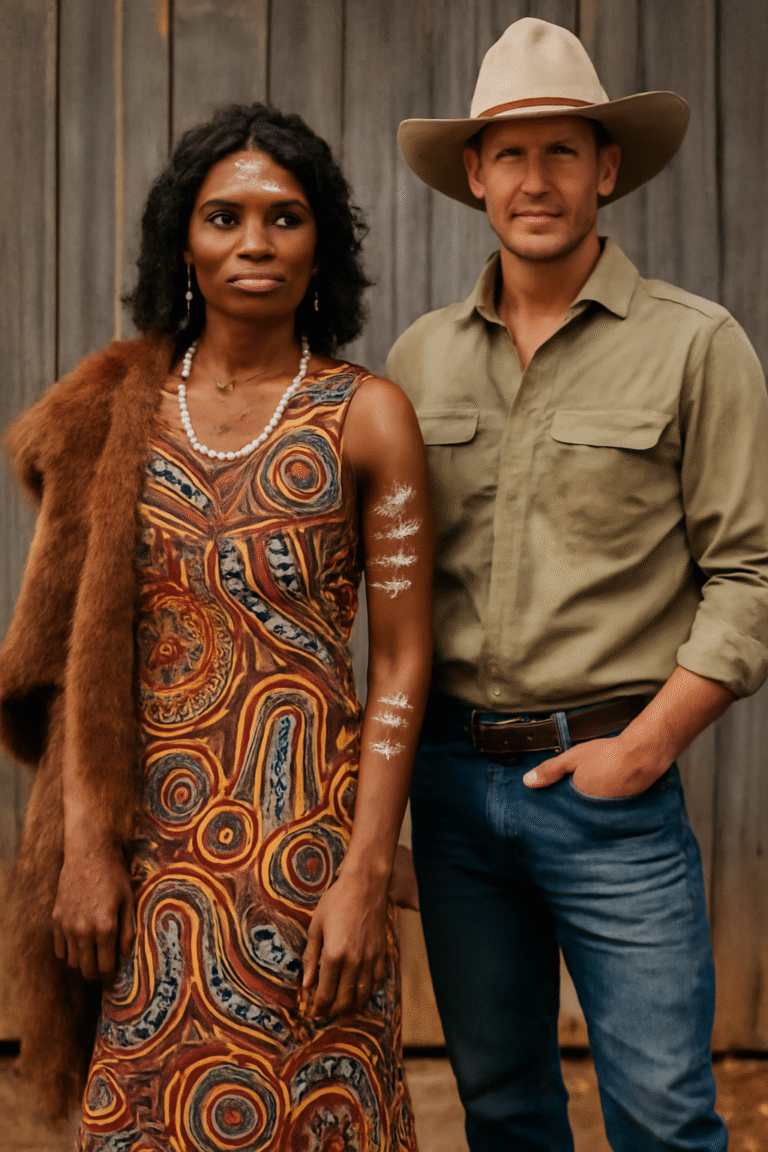
In addition, Australia’s local industry has seen a growing emphasis on telling uniquely Australian stories. Indigenous filmmakers, in particular, are finding new opportunities to bring their voices to the global stage. Indigenous films and TV shows, such as Samson and Delilah and Redfern Now, have garnered international praise and are helping to highlight the diverse cultural landscape of Australia.
Australia’s growing prominence in the global entertainment industry is also supported by major film festivals like the Melbourne International Film Festival (MIFF) and the Sydney Film Festival, which showcase both domestic and international talent. These events serve as vital platforms for filmmakers to connect with distributors and expand their reach beyond the Australian market.
As global demand for high-quality, diverse content continues to rise, Australia is well-positioned to maintain its status as a key player in the global entertainment industry. With strong government support, an expanding infrastructure, and a rich talent pool, the country’s film and TV sector looks set to continue its impressive growth in the years ahead.