









Australia’s performing arts scene offers a unique blend of traditional cultural practices and cutting-edge innovation. Whether it’s the powerful connection to land through Indigenous dance or the exploration of modern themes in theatre, the Australian arts landscape showcases a diverse and evolving narrative. This article explores the different facets of Australia’s performing arts, focusing on the intersection of traditional heritage and contemporary innovation.
The Power of Indigenous Dance
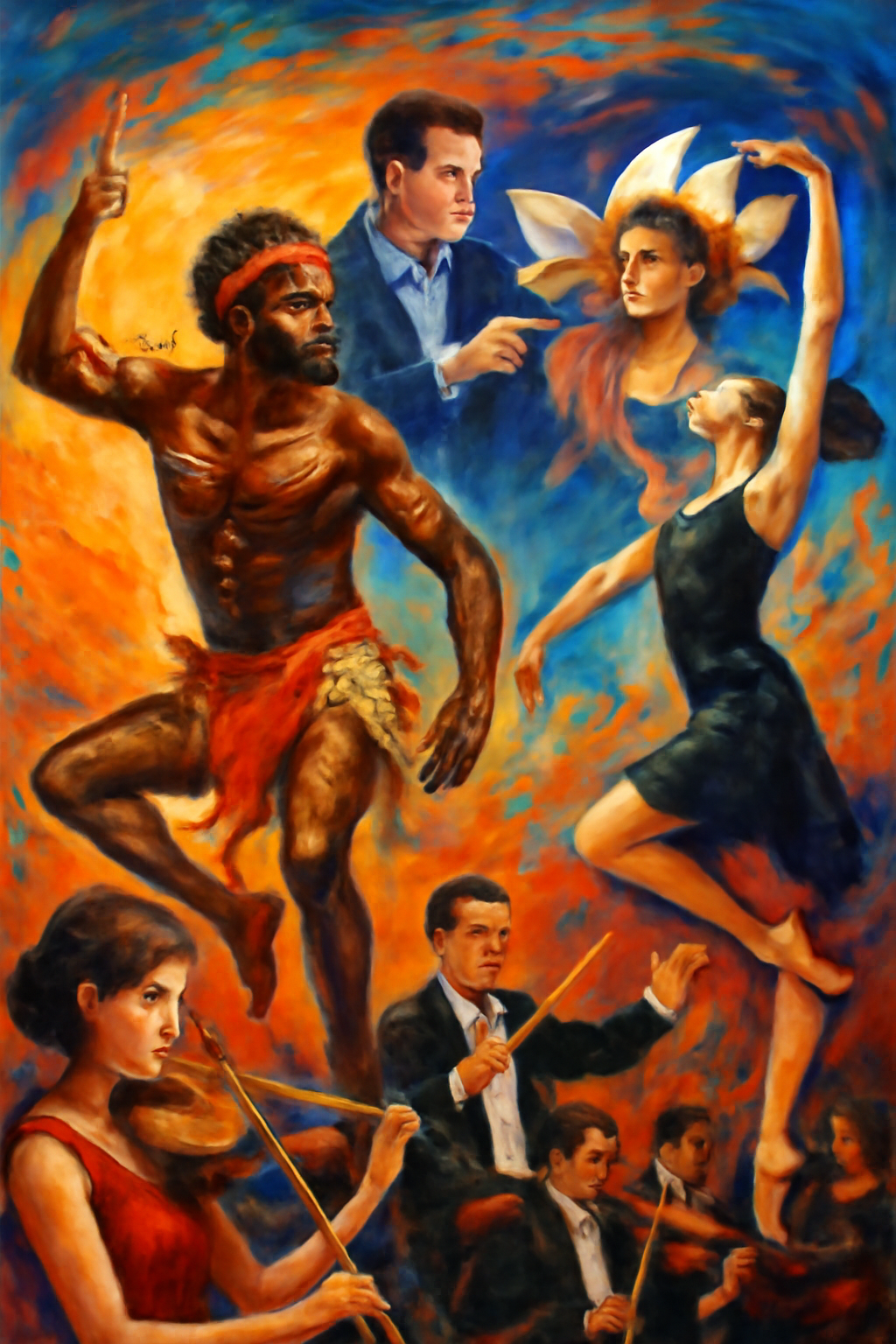
The significance of dance in Indigenous Australian cultures cannot be overstated. It serves as a vehicle for storytelling, preserving the wisdom of ancestors, and maintaining a connection to the land. Traditional Indigenous dances, performed during ceremonies and celebrations, embody the myths and stories of the Dreamtime, communicating ancient beliefs through movement.
In the modern context, Indigenous dance companies like Bangarra Dance Theatre have helped bring these traditions into contemporary performance spaces. By blending ancient dance forms with modern choreography, these companies create works that honor the past while engaging with contemporary artistic trends.
The Rise of Australian Theatre
Australian theatre has long been a medium for exploring national identity, grappling with the social and political issues of the time. From the early works of playwrights like Jack Davis, whose plays highlighted the struggles of Aboriginal Australians, to the more contemporary works of David Williamson, Australian theatre has always been a reflection of the country’s evolving identity.
Today, Australian theatre includes a mix of realist drama, absurdist theatre, and experimental performances. Works such as “The Slap” by Christos Tsiolkas reflect the tension between multiculturalism and the desire for a unified national identity. The theatre scene in Australia is marked by an openness to new voices and stories, ensuring that the stage remains a platform for critical conversations about Australia’s past, present, and future.
Experimenting with Theatre: Breaking Boundaries
Experimental theatre in Australia is characterized by its willingness to challenge conventions and engage with innovative forms of performance. By breaking traditional narrative structures and integrating multimedia elements, experimental theatre pushes the boundaries of what theatre can be.
Companies like “Back to Back Theatre” and “The Sydney Theatre Company” lead the charge in exploring new techniques and ideas in performance. Their works often include non-traditional storytelling formats, abstract narratives, and audience interaction, inviting people to experience theatre in entirely new ways.
Celebrating Australia’s Performing Arts at Festivals
Australia is home to some of the world’s most significant performing arts festivals. These festivals celebrate the diversity of the country’s artistic expressions, from traditional performances to contemporary experimental works. The Melbourne International Arts Festival, Sydney Festival, and Adelaide Fringe Festival are key events that provide platforms for Australian and international artists to showcase their talents.
These festivals not only provide an opportunity for audiences to experience diverse forms of performance but also offer a space for creative risk-taking. By offering support for emerging artists and experimental works, festivals encourage new forms of artistic expression to take root.
Australia’s Growing Global Reputation in the Arts
Australia’s performing arts are gaining international acclaim for their innovation, creativity, and diversity. Dance companies such as the Australian Ballet and experimental theatre groups like Malthouse Theatre have earned global recognition for their performances, showcasing Australian talent on stages around the world.
This growing international reputation highlights the ability of Australian performers to blend Indigenous heritage with contemporary performance practices. The result is a thriving arts scene that continues to evolve and capture the imagination of global audiences.